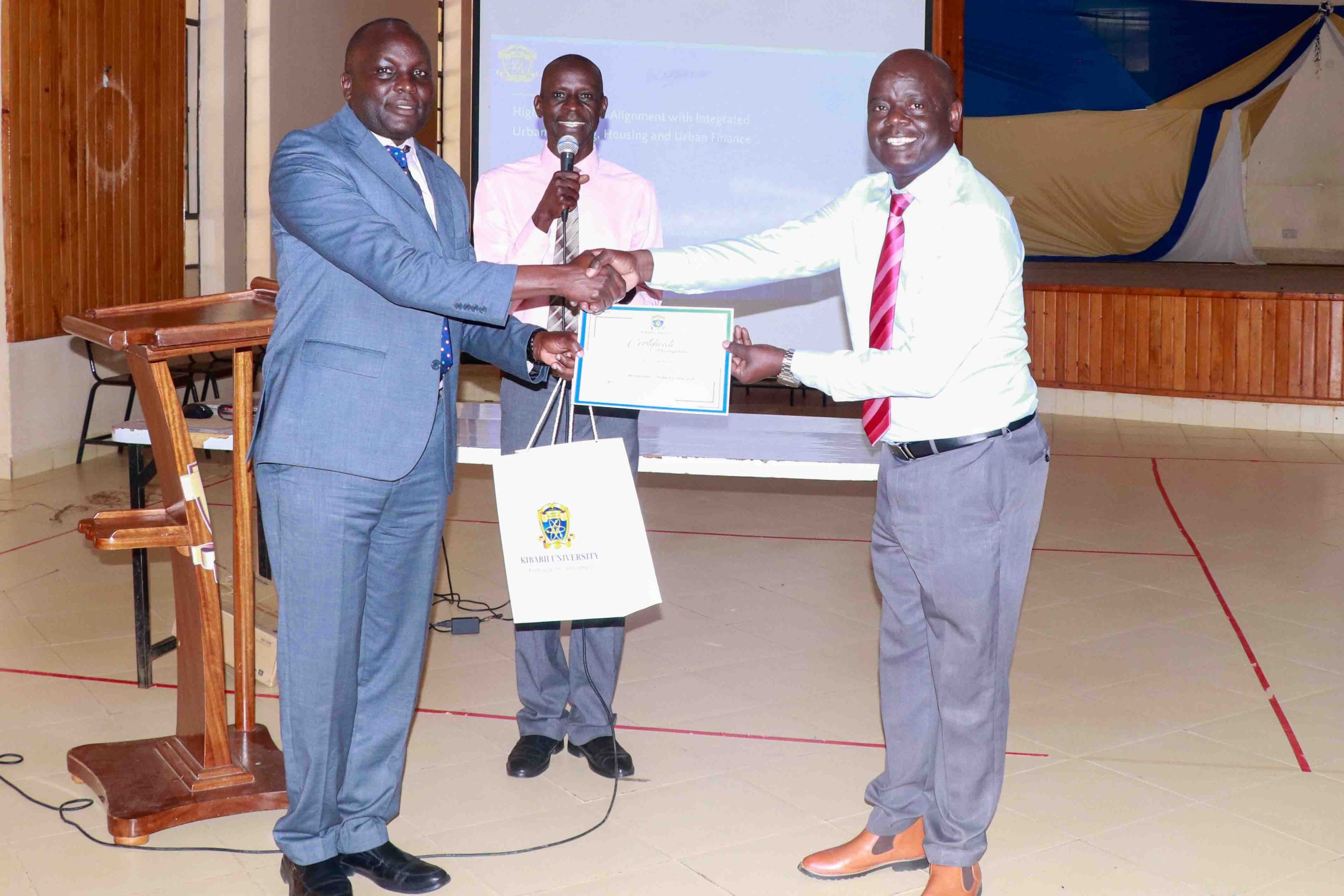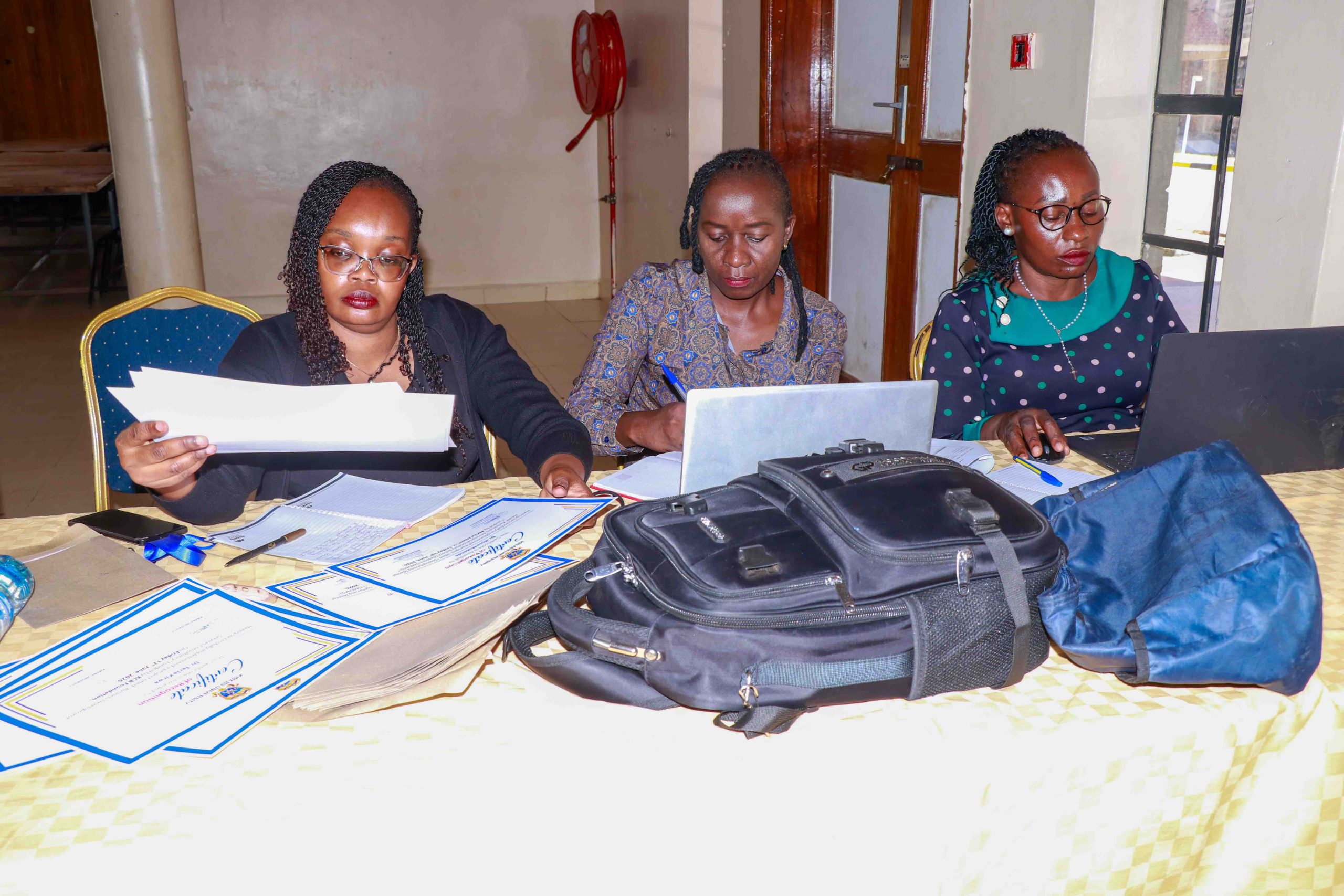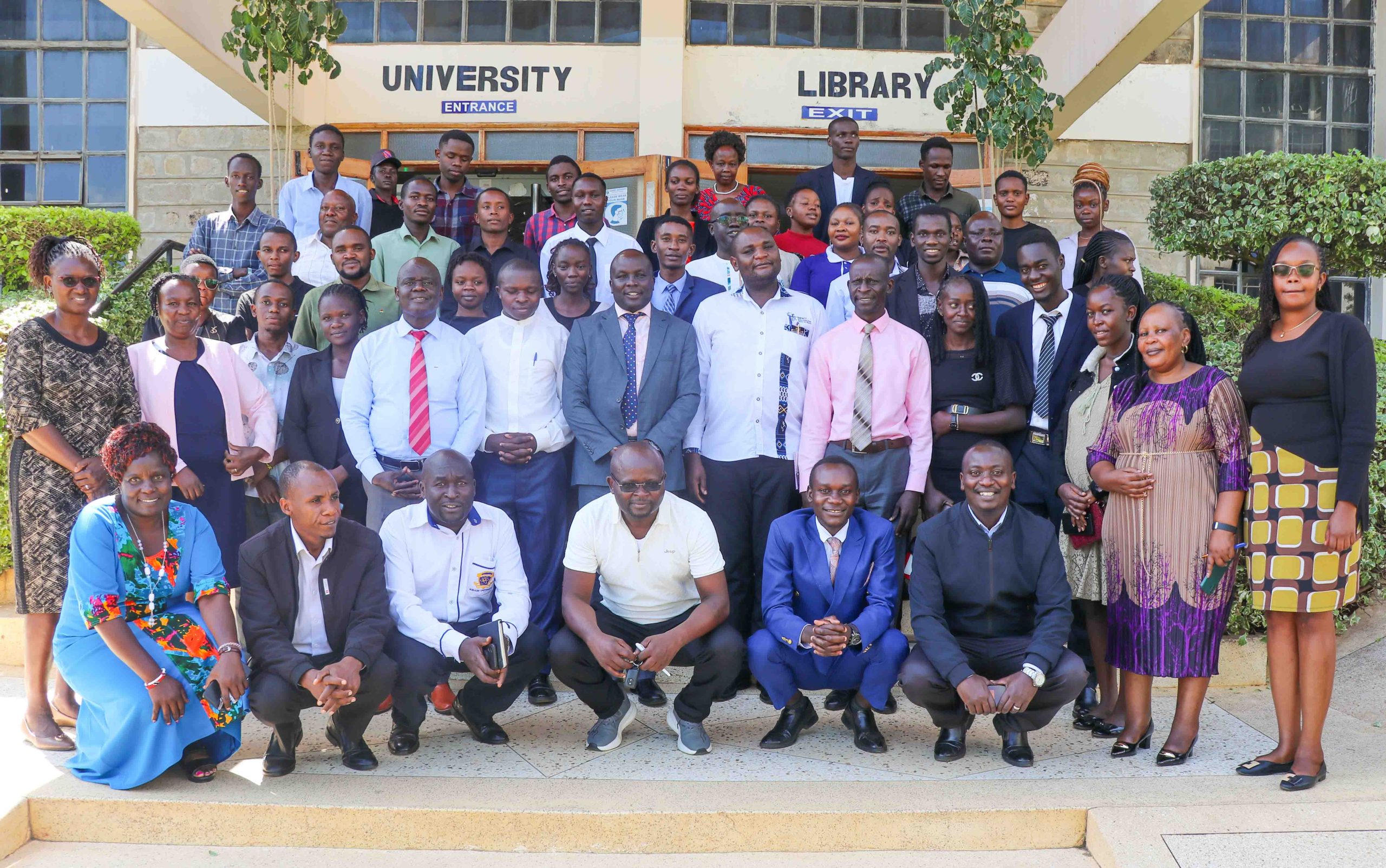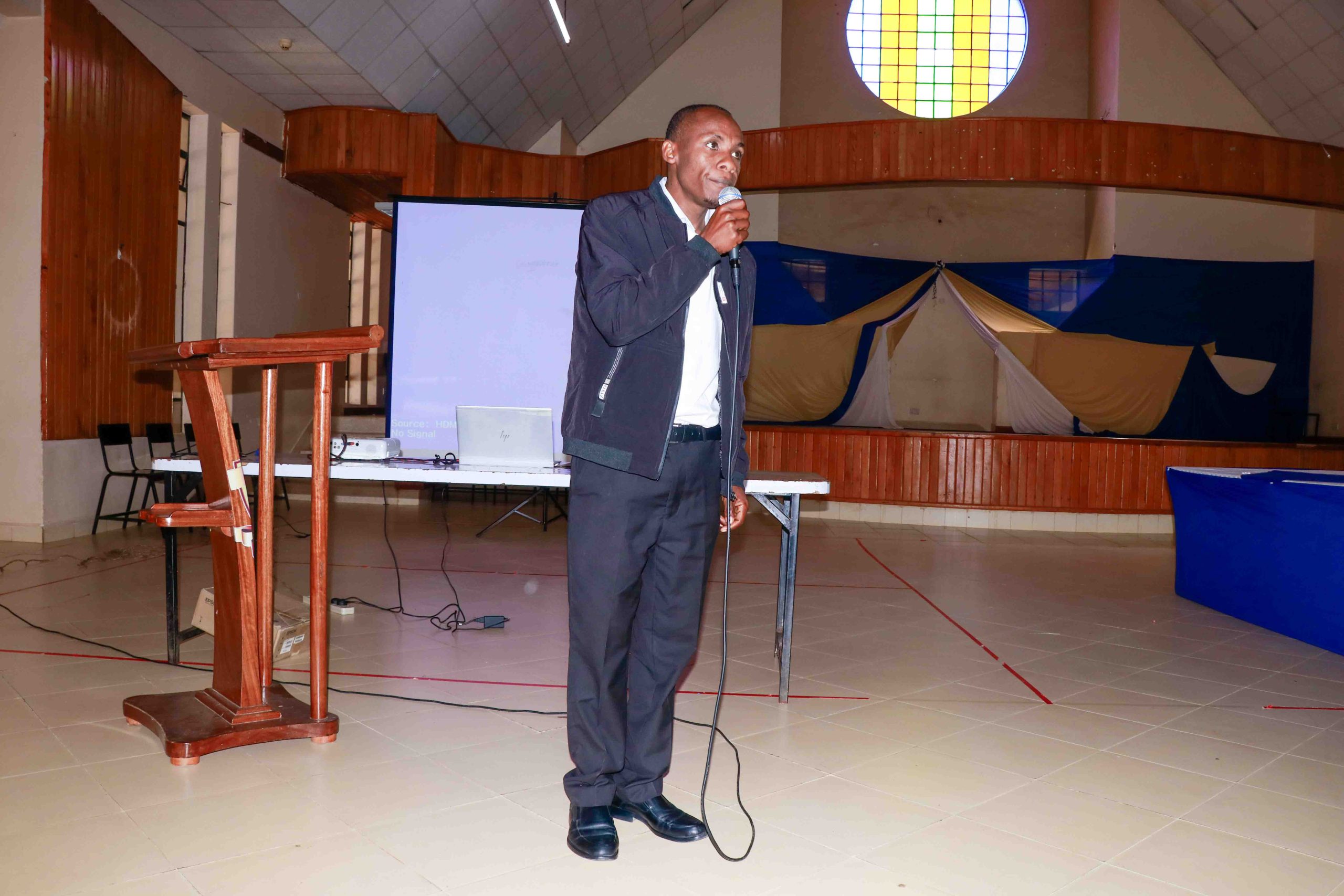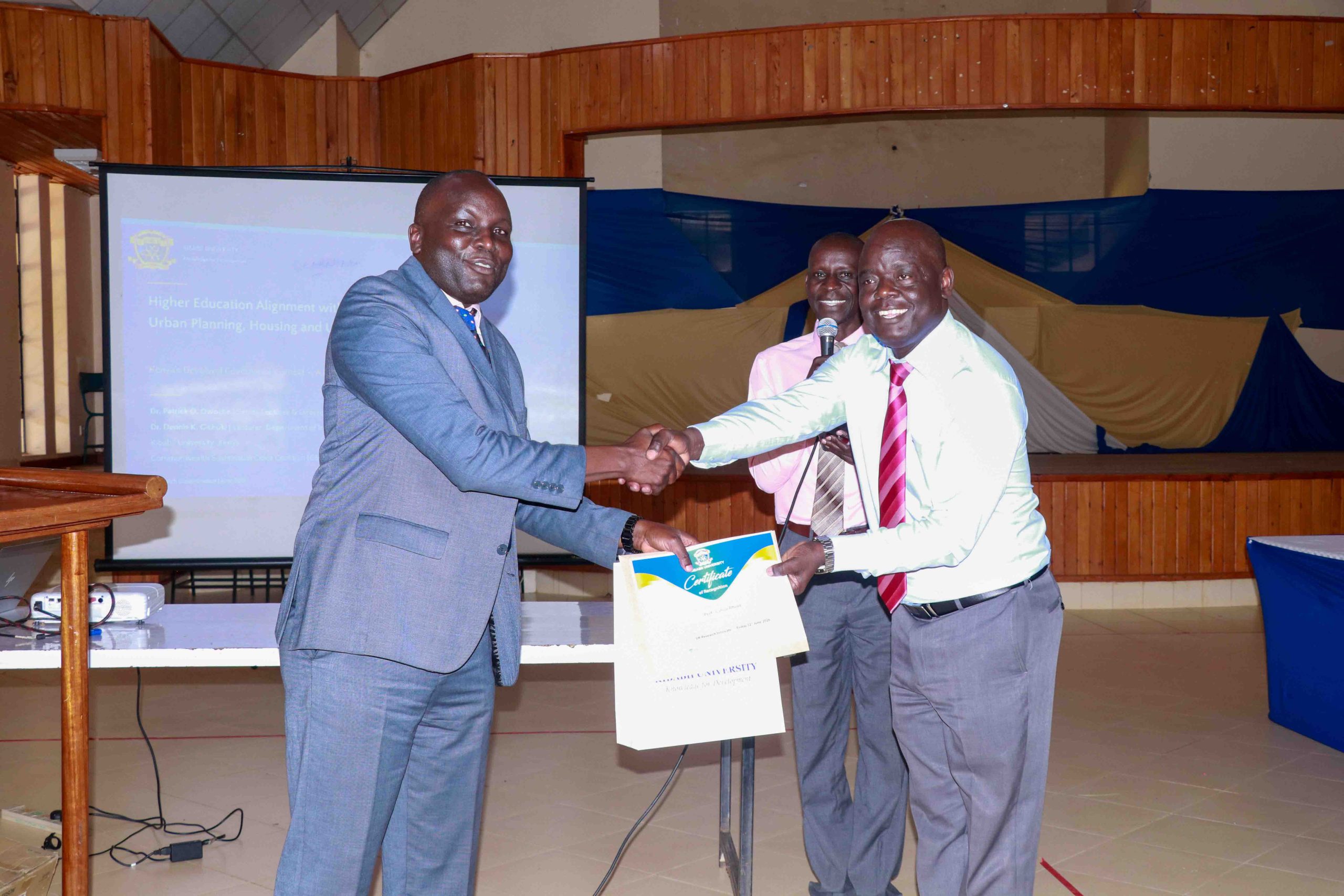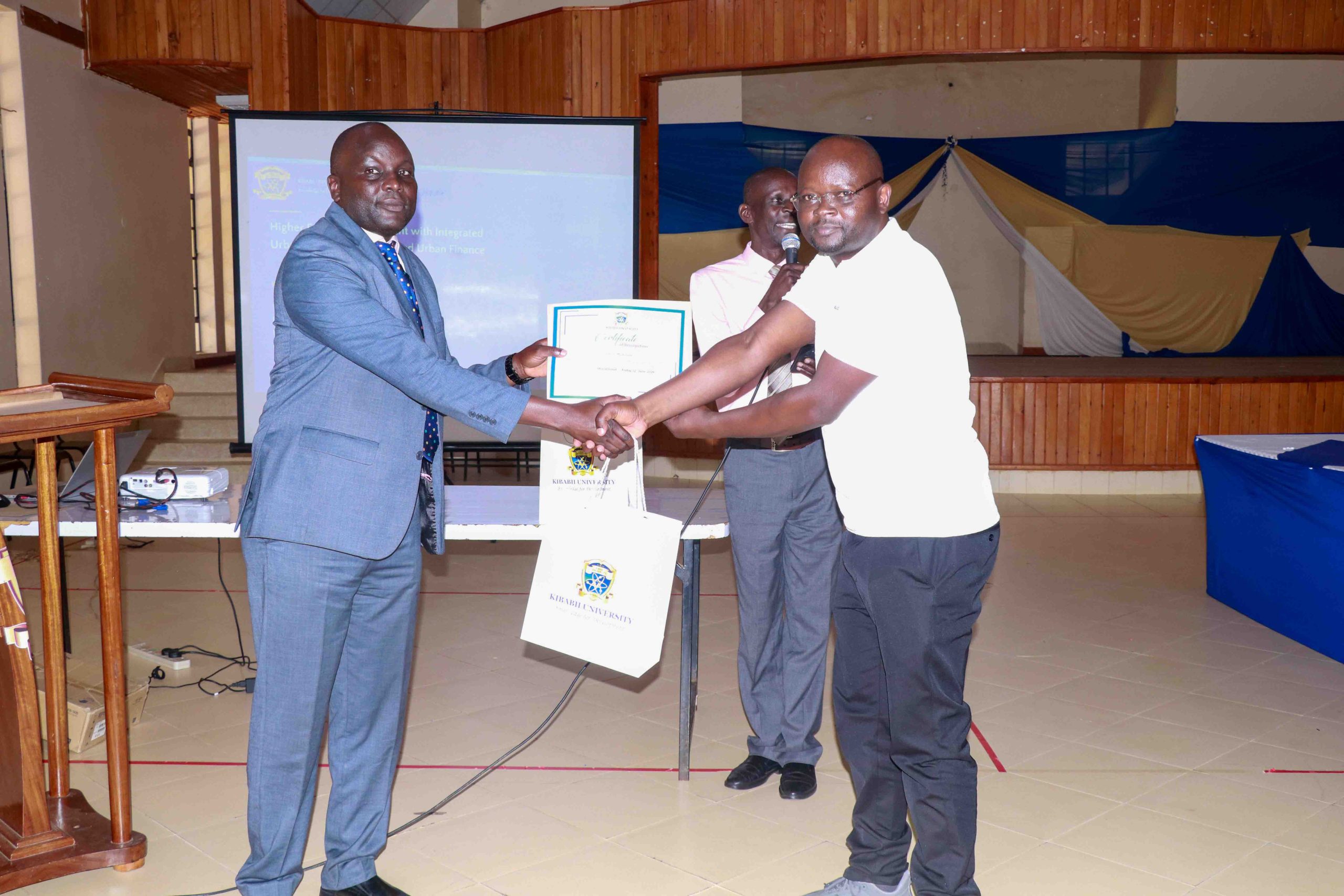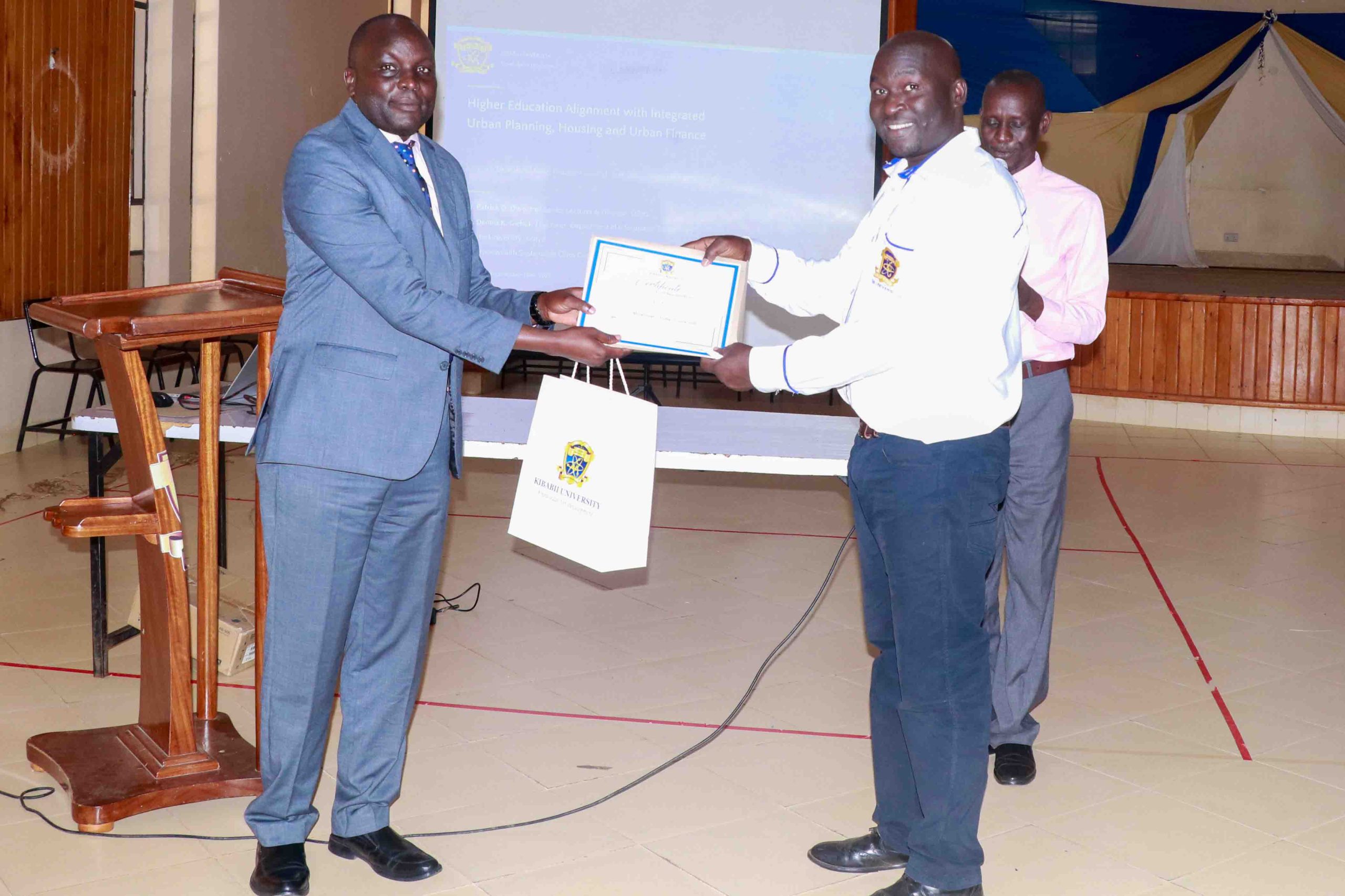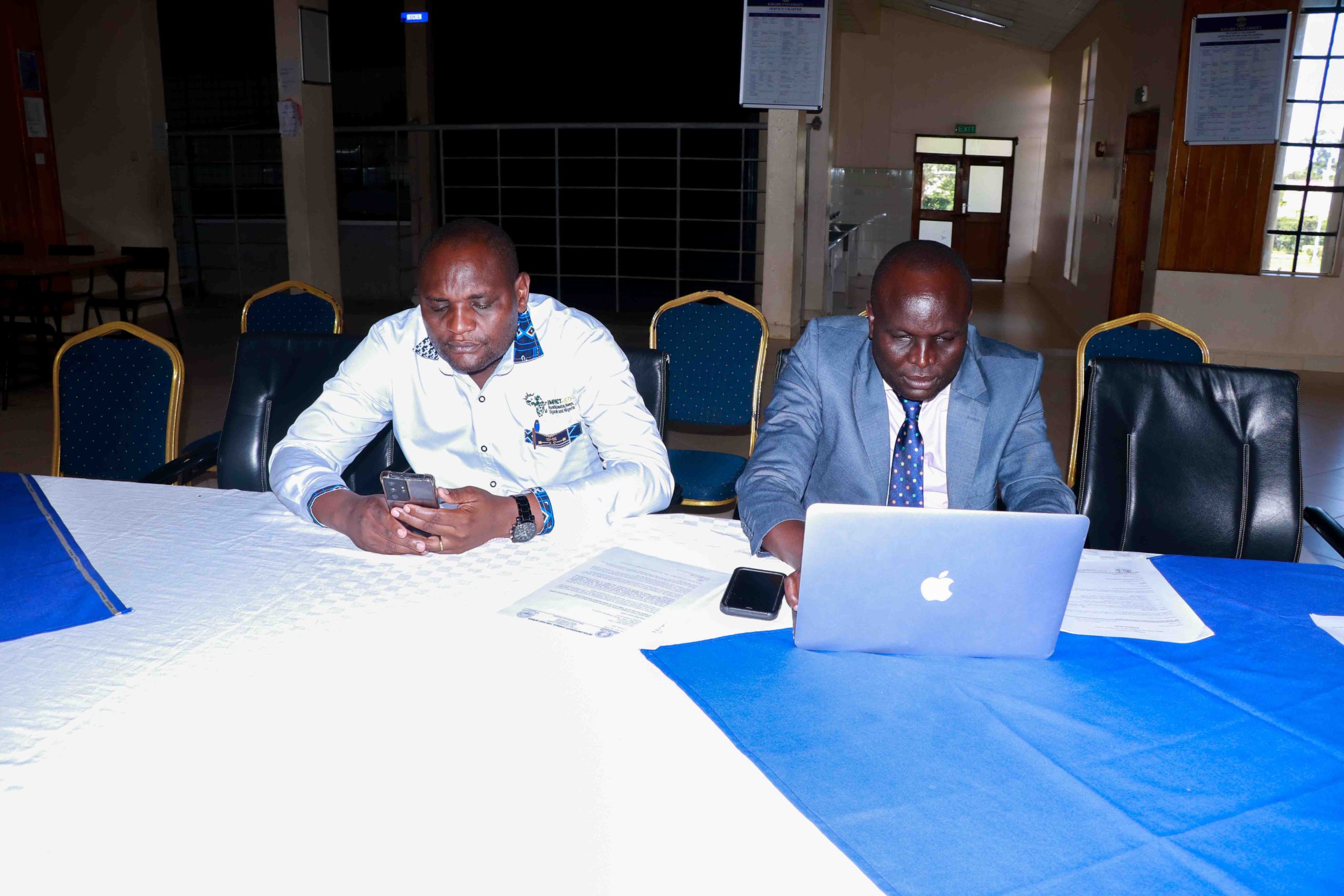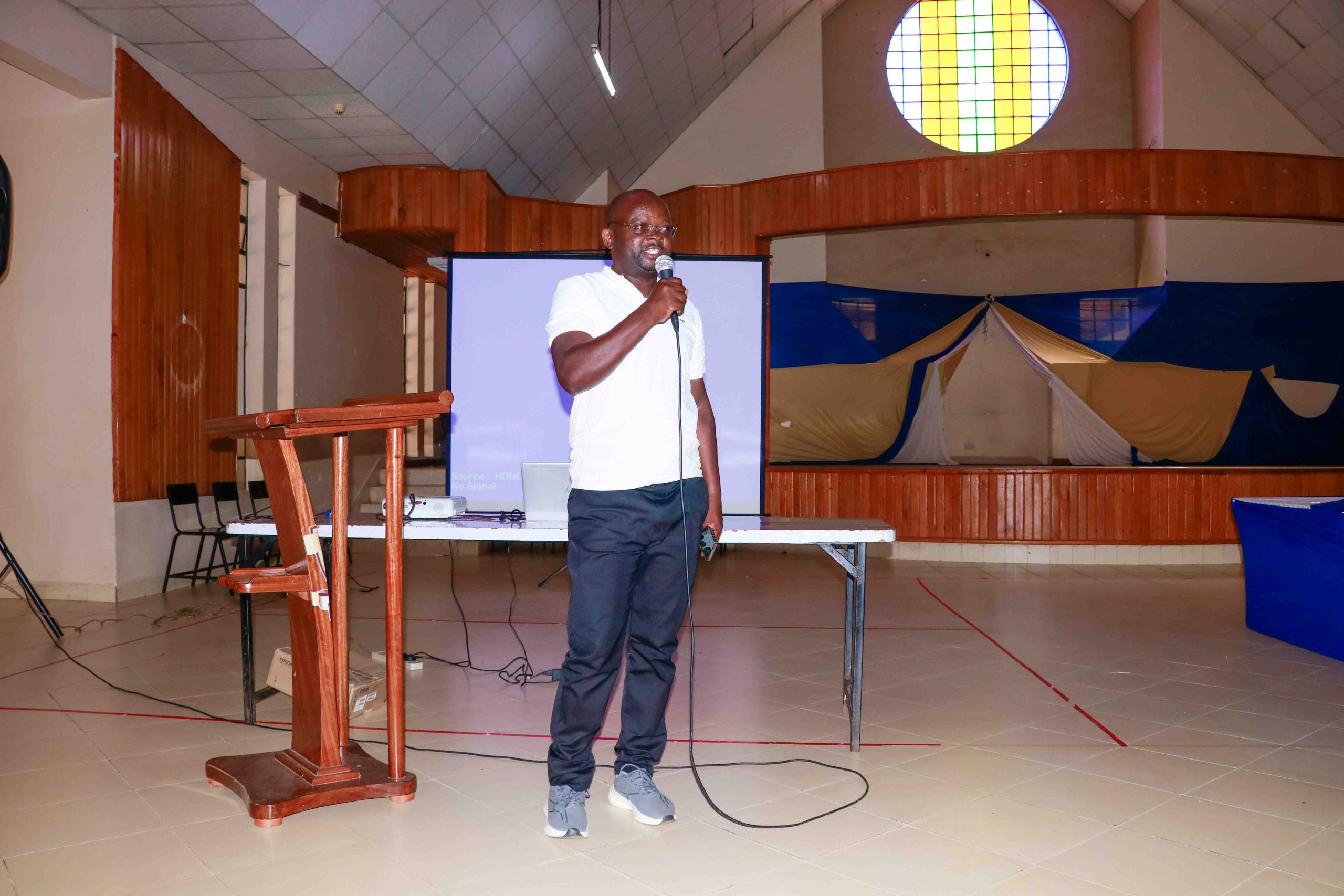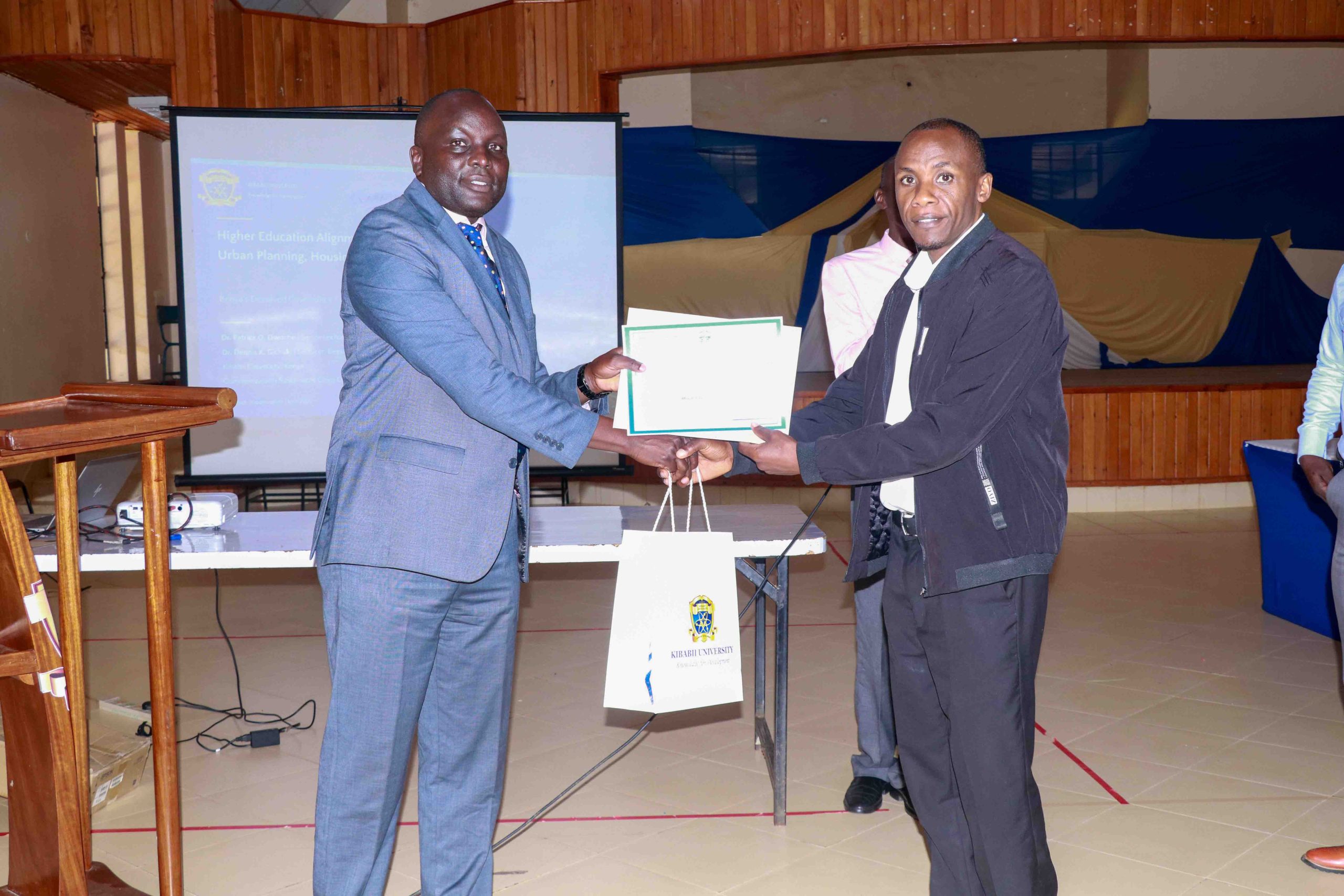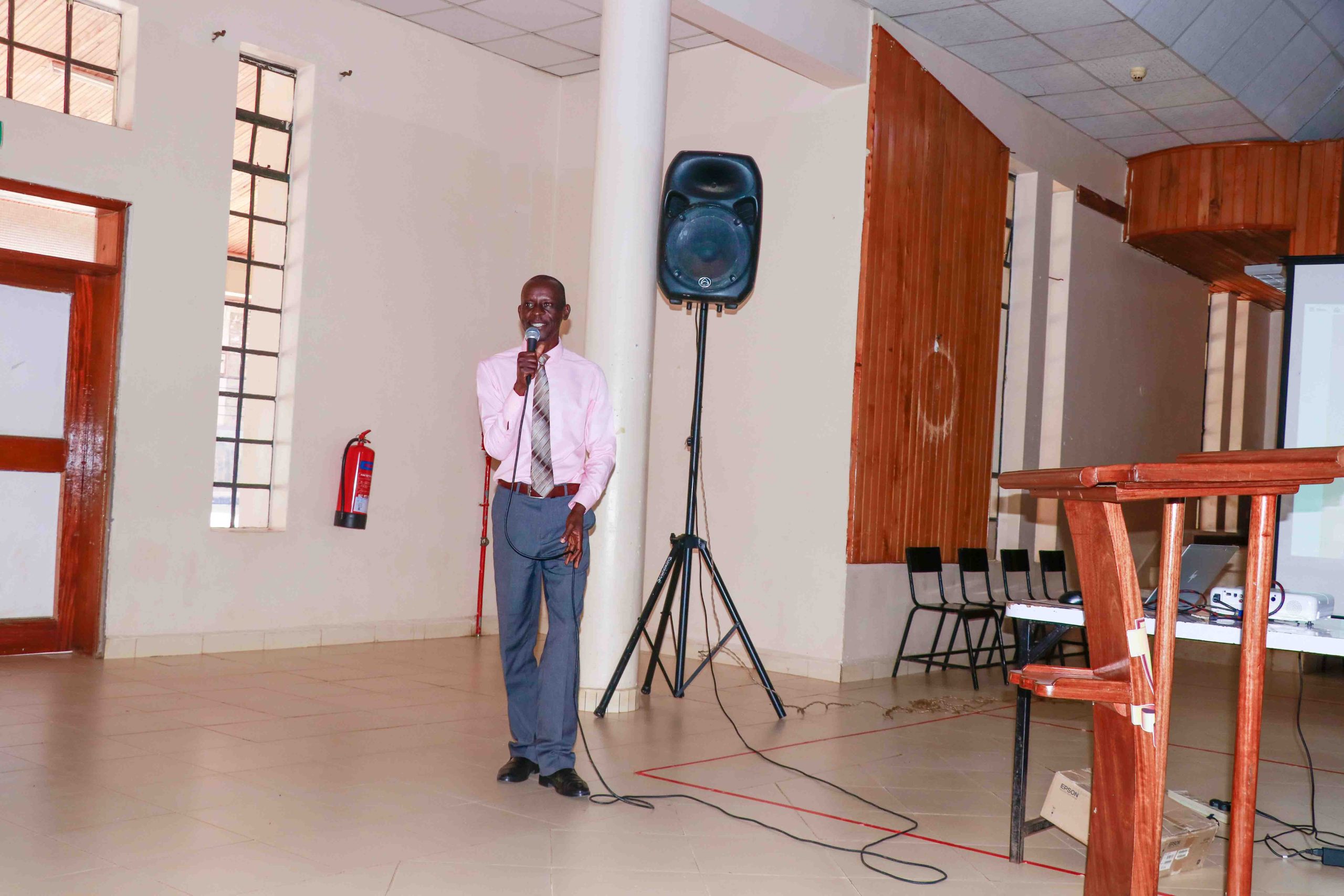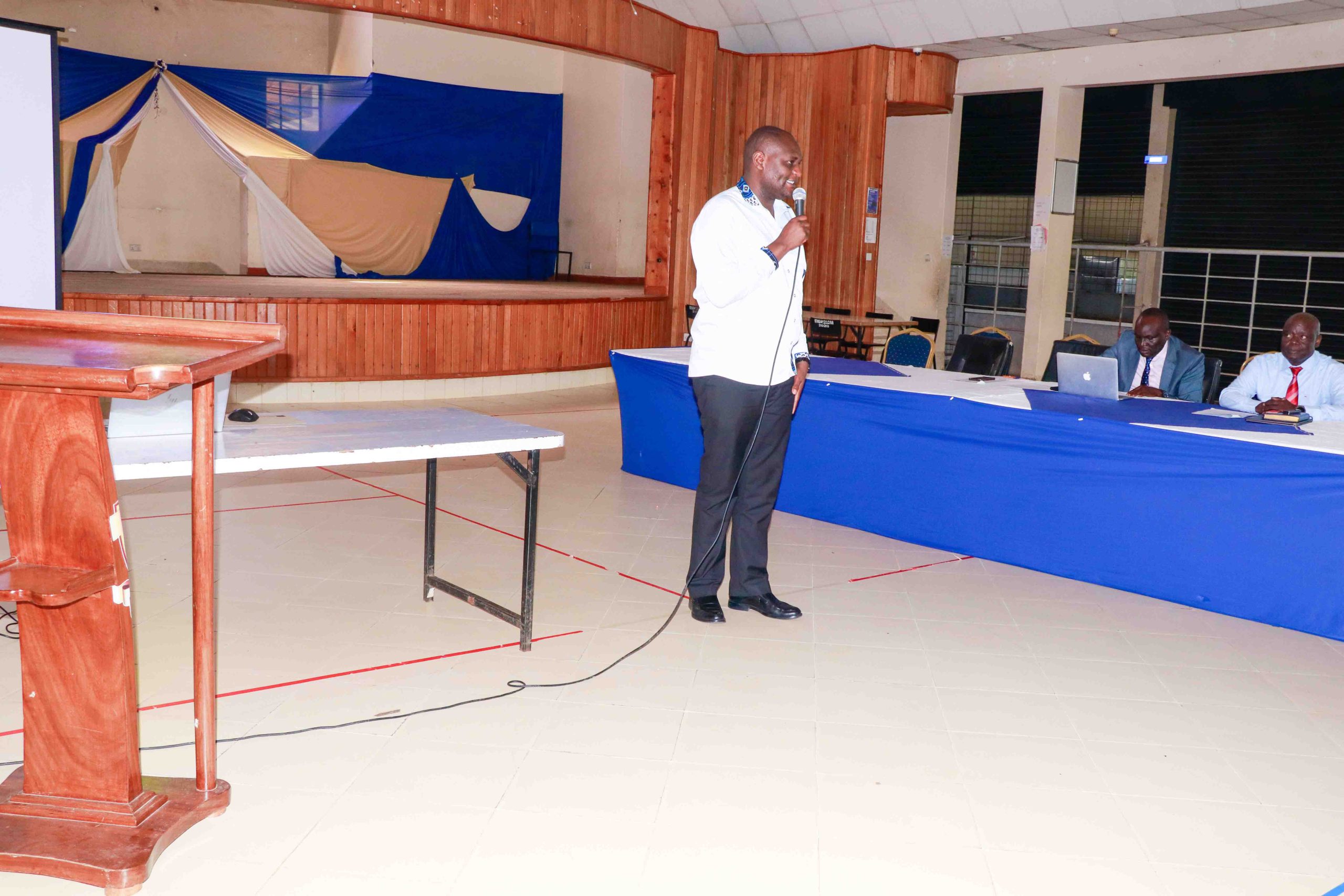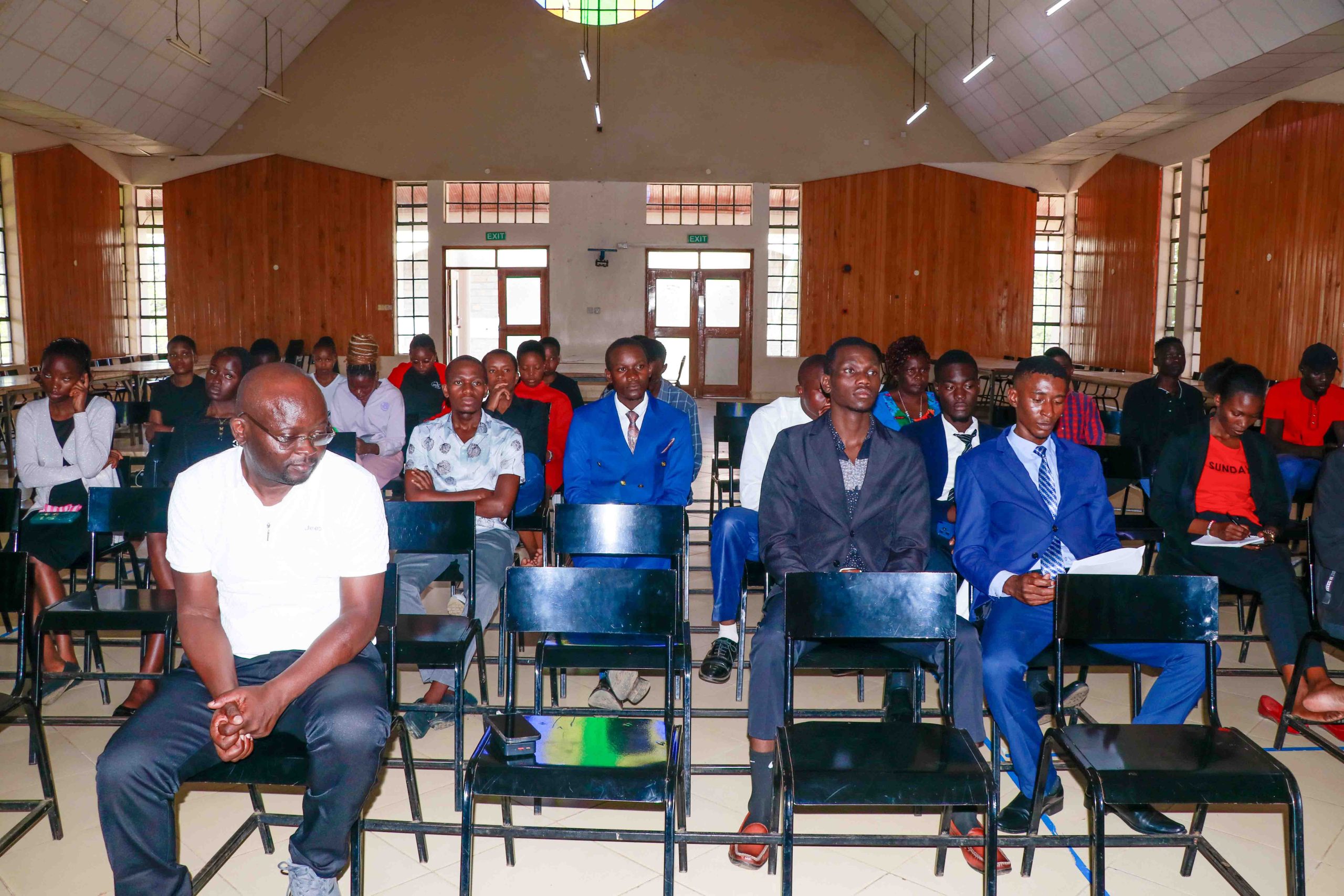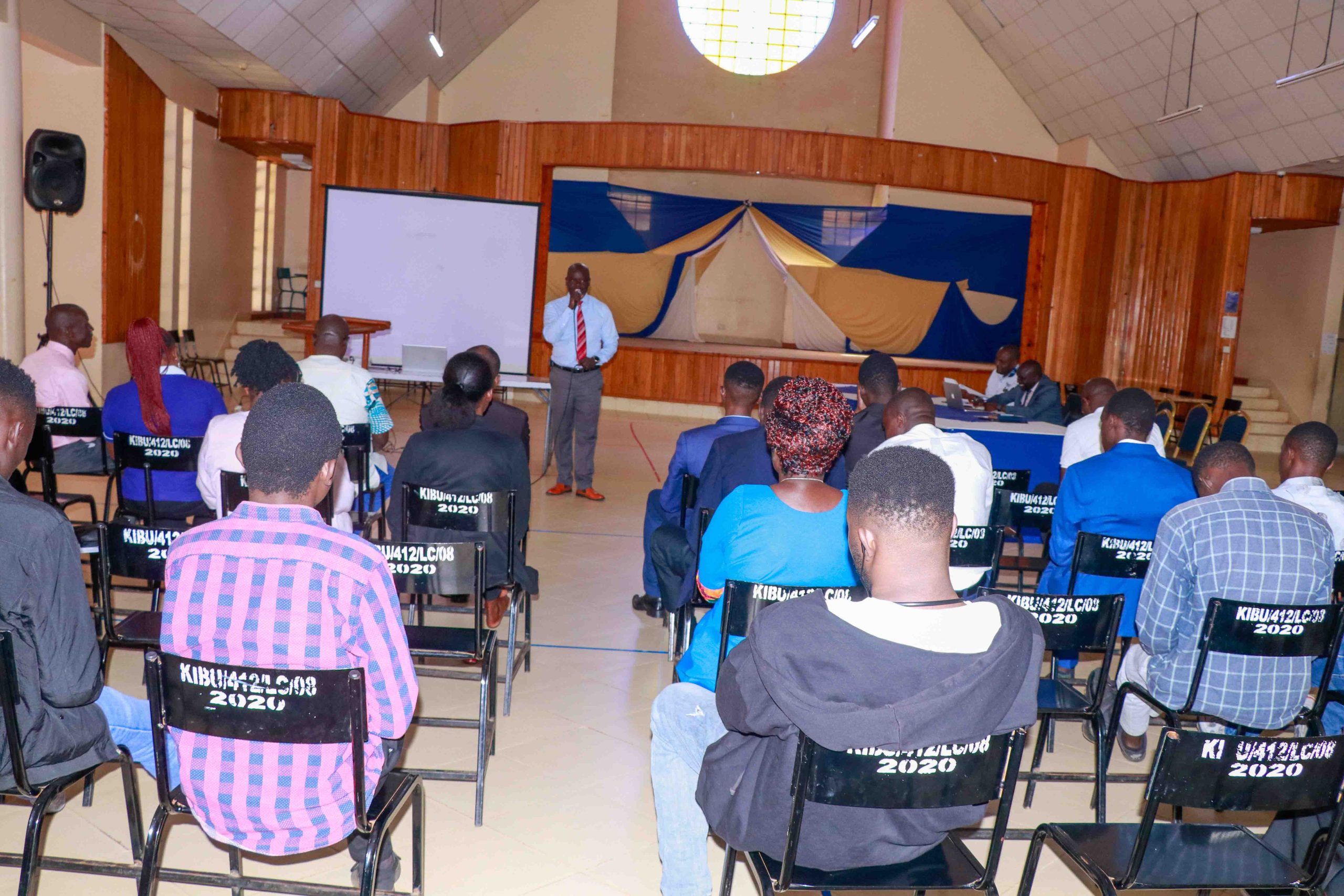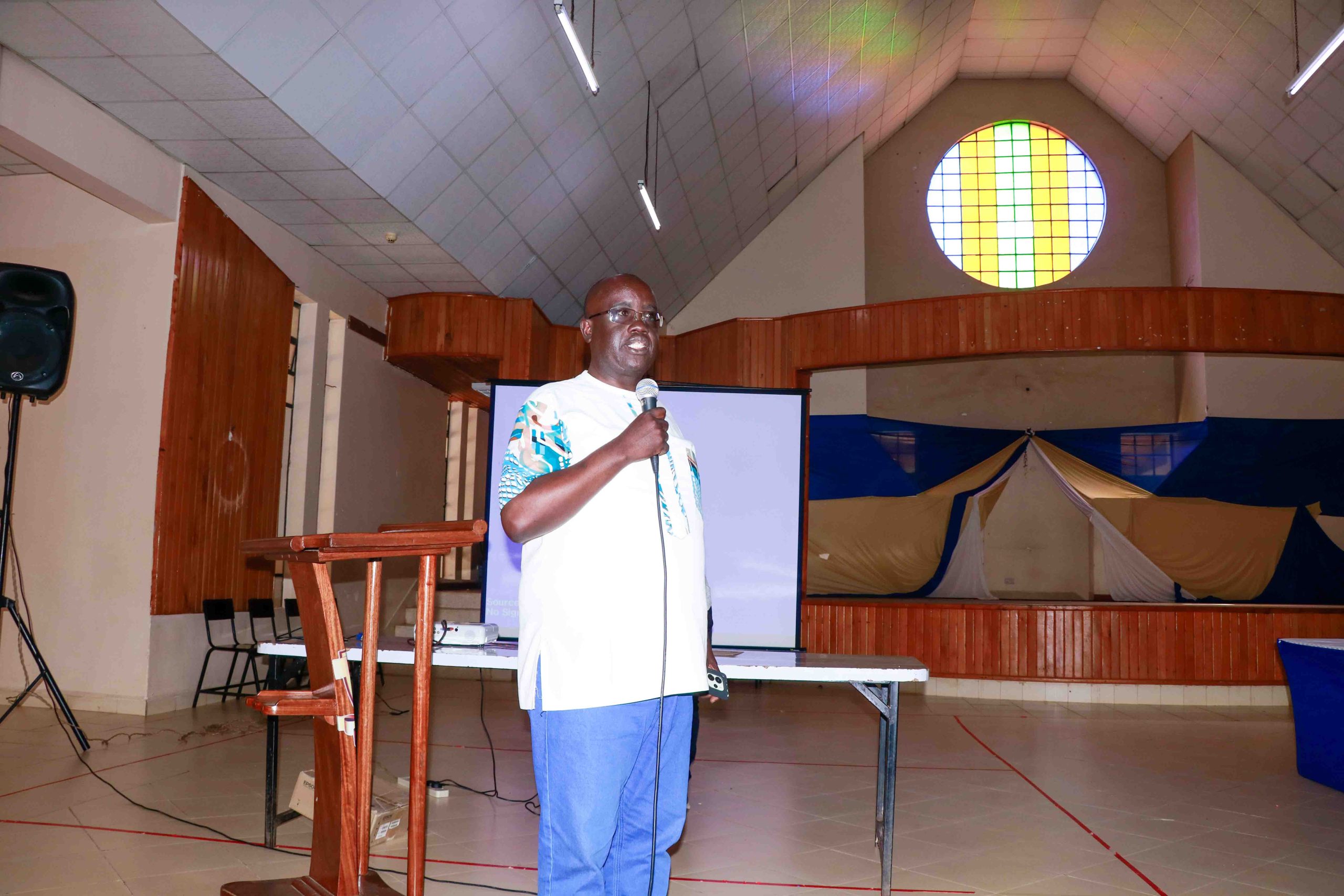
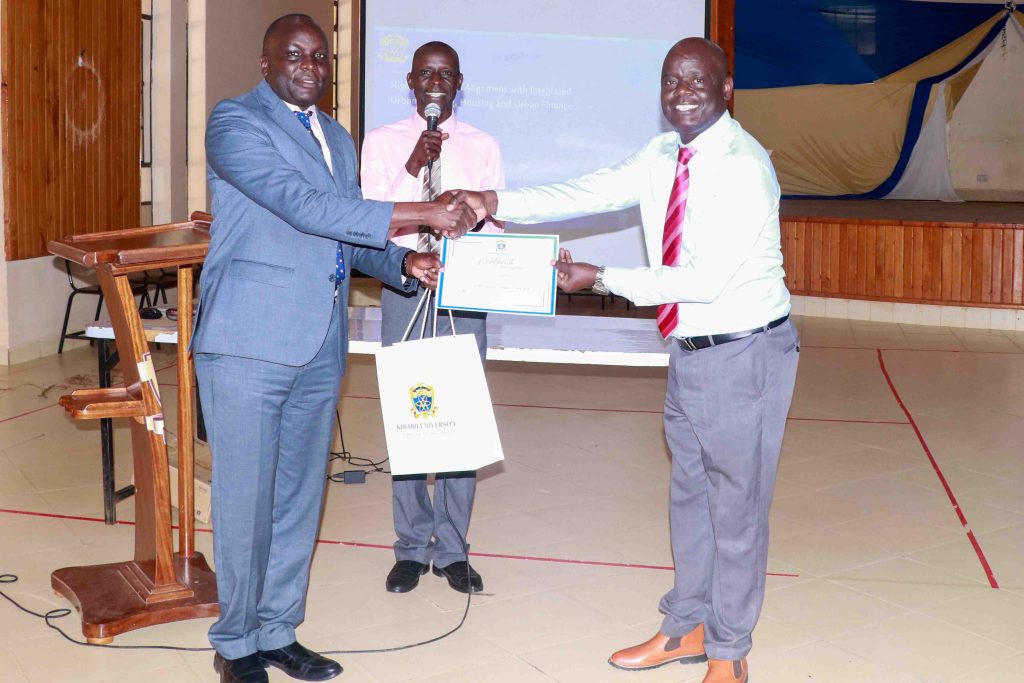
Kibabii University on Friday, 12th June 2026, hosted a Research Dissemination Workshop that provided a platform for researchers to present findings from recently completed projects and engage stakeholders on the role of research in addressing contemporary societal challenges. The event brought together University management, academic staff, students, researchers, and external partners to share knowledge, receive feedback, and explore opportunities for policy influence and future collaborations.
The workshop was officially opened by the Deputy Vice Chancellor (Planning, Research and Innovation) Prof. Julius Maiyo, who emphasized the critical role of research and innovation in driving sustainable development and improving livelihoods. He challenged researchers to ensure that their work goes beyond academic publications by translating findings into practical solutions that create meaningful impact in communities.
Prof. Maiyo also highlighted the University’s continued investment in research and innovation through support for staff participation in academic forums, proposal development, and collaborative research initiatives. He noted the institution’s commitment to nurturing emerging student researchers through mentorship and sponsorship programmes while strengthening partnerships with international institutions to enhance research visibility and global engagement.
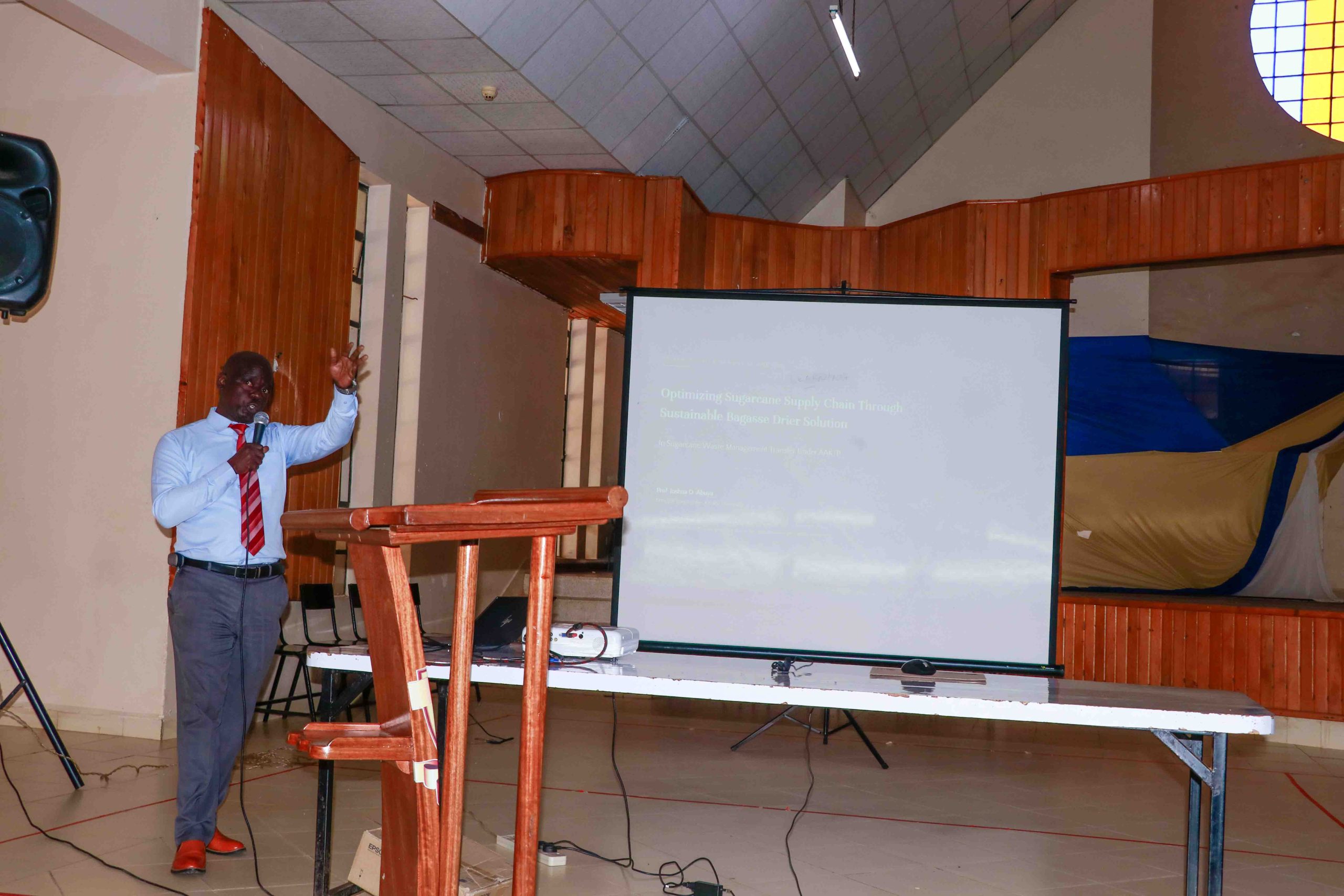
The workshop featured presentations from various research projects undertaken by the University, covering areas such as entrepreneurship and financial inclusion, mental health awareness among secondary school students, sustainable sugar supply chain solutions through bagasse dryer technology, and the role of higher education institutions in supporting integrated urban planning, housing, and urban finance under Kenya’s devolved governance framework through the Commonwealth Sustainable Cities initiative.
Speaking during the event, the Ag. Registrar (Planning, Research and Innovation) Prof. Joshua Abuya emphasized the importance of effective research communication. He noted that research findings should be presented in ways that are accessible, relevant, and responsive to societal needs. He encouraged researchers to prioritize impact-driven studies that address challenges affecting communities at the grassroots level.
One of the featured studies focused on entrepreneurship development and financial inclusion, examining how financial institutions can design tailored financial products and mentorship programmes to support entrepreneurs. The findings highlighted the need to strengthen entrepreneurship development initiatives and expand access to financial services for emerging businesses.
Another presentation focused on sustainability challenges within the sugar industry through a collaborative project involving Kibabii University and international partners. Presenting the findings, Prof. Abuya revealed that a United Kingdom-based company is collaborating with the Kibabii research team on biomass production initiatives. He noted that the study identified limited awareness among communities regarding the commercial potential of biomass. Despite these challenges, the Bagasse Project demonstrated the potential of sustainable engineering innovations in improving sugar supply chains, promoting circular economy practices, and supporting environmental conservation.
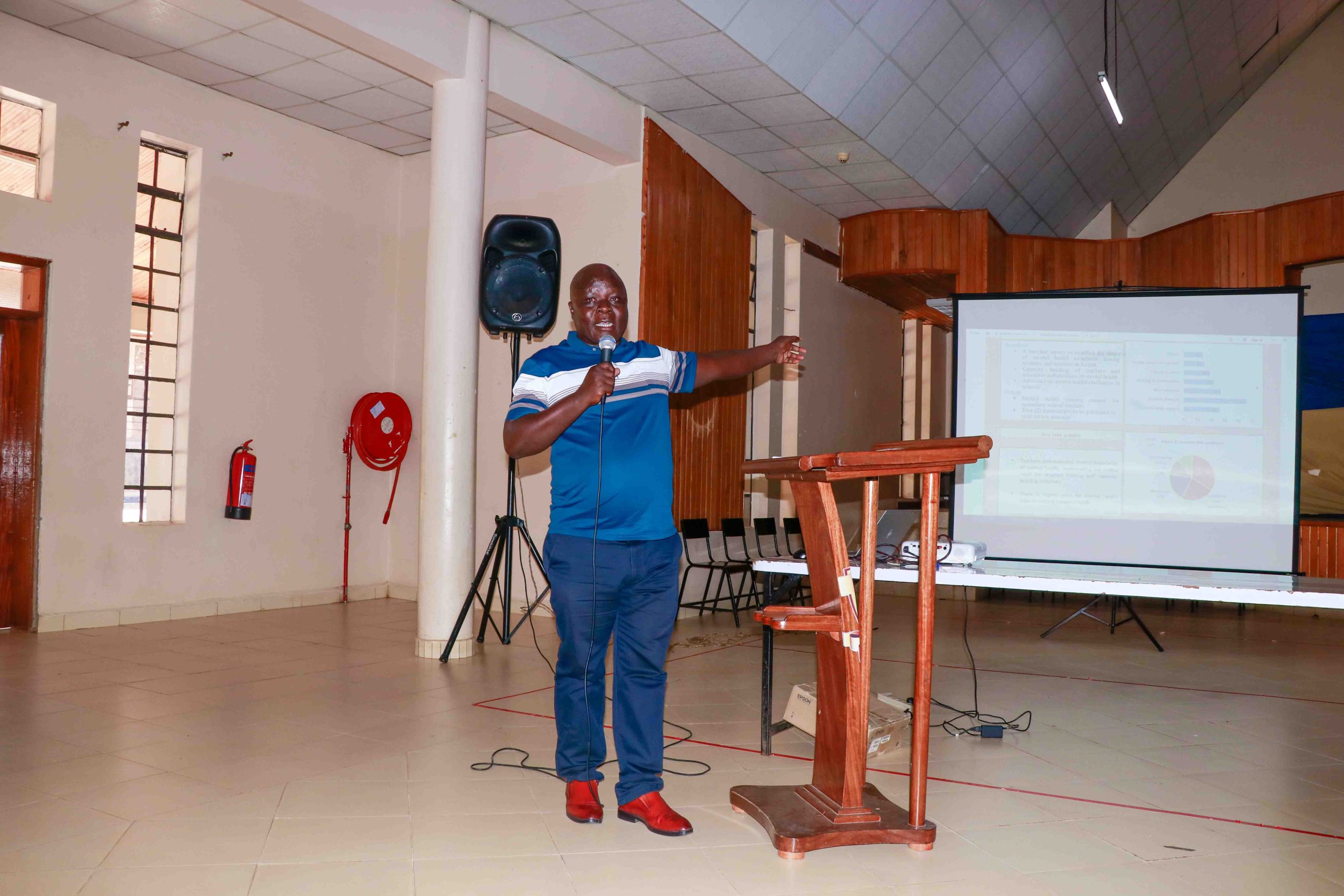
Mental health among secondary school students was also highlighted as a critical area of research. Presenting the findings, Dr. Manasi Echanue observed that student unrest has increasingly become a concern, with challenges including suicide cases among students and teachers, destruction of property, and declining academic outcomes. The project implemented capacity-building workshops and advocacy initiatives aimed at improving mental health awareness in schools.
The study revealed that 26% of students reported receiving limited parental support, while 46% identified academic pressure as a major challenge affecting their wellbeing. Dr. Echanue further noted that teachers experience mental health challenges at a higher rate than students and often lack adequate knowledge on mental health issues, underscoring the need for targeted training and support programmes. He added that the research team will present its findings at the AfricaUnit General Assembly scheduled for September in Algeria.
The final presentation, delivered by Dr. Patrick Owoche, examined how universities and other higher education institutions can align teaching, research, and innovation with sustainable urban development priorities within Kenya’s devolved governance framework. The study highlighted the strategic role of higher education institutions in supporting integrated urban planning, housing development, and urban financing through evidence-based research and capacity building.
Throughout the workshop, participants underscored the importance of collaboration among universities, communities, industry, policymakers, and development partners in advancing research and innovation. They emphasized that impactful research requires partnerships that facilitate the transformation of knowledge into practical interventions, policies, and innovations capable of contributing to national and global development goals.
Gallery