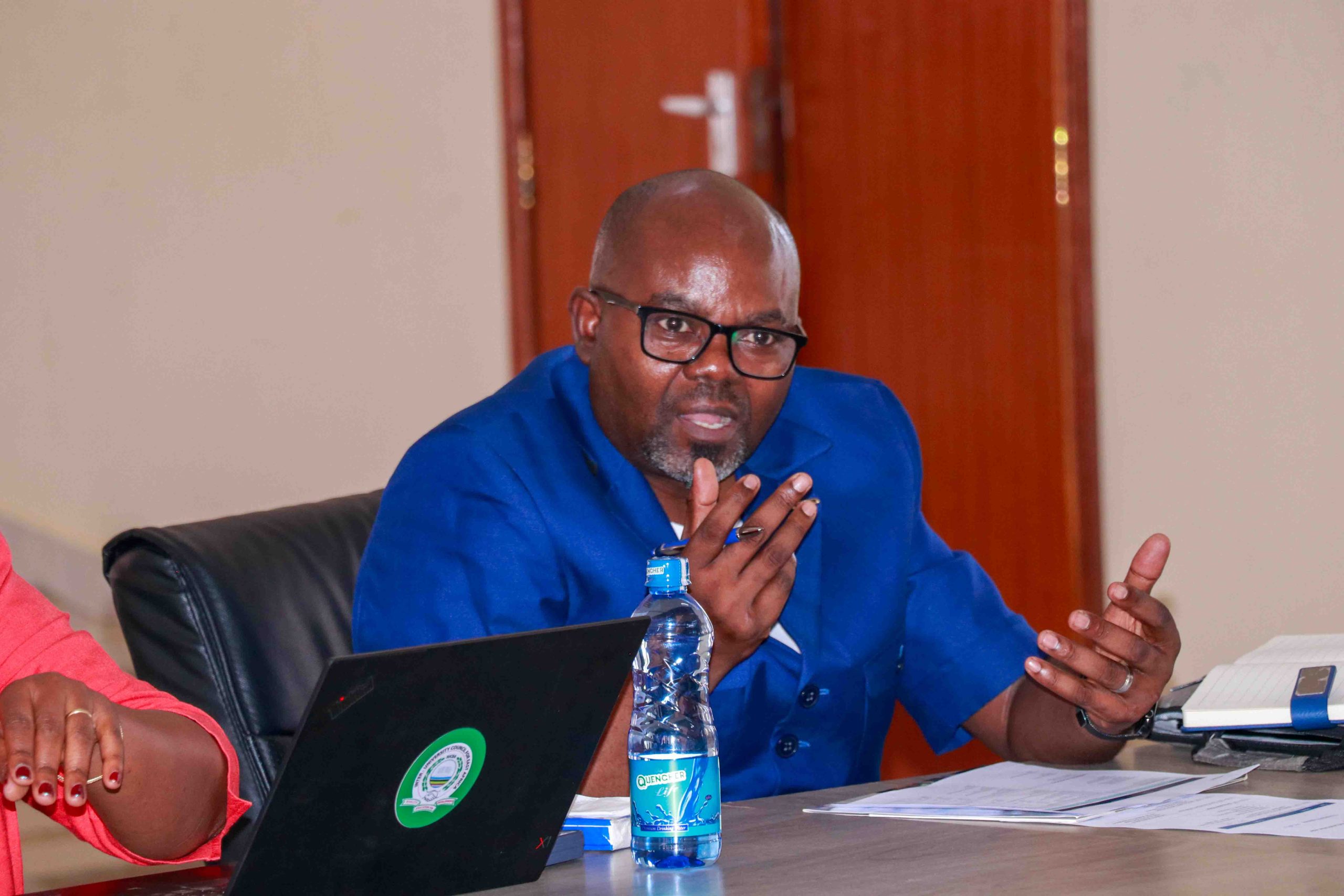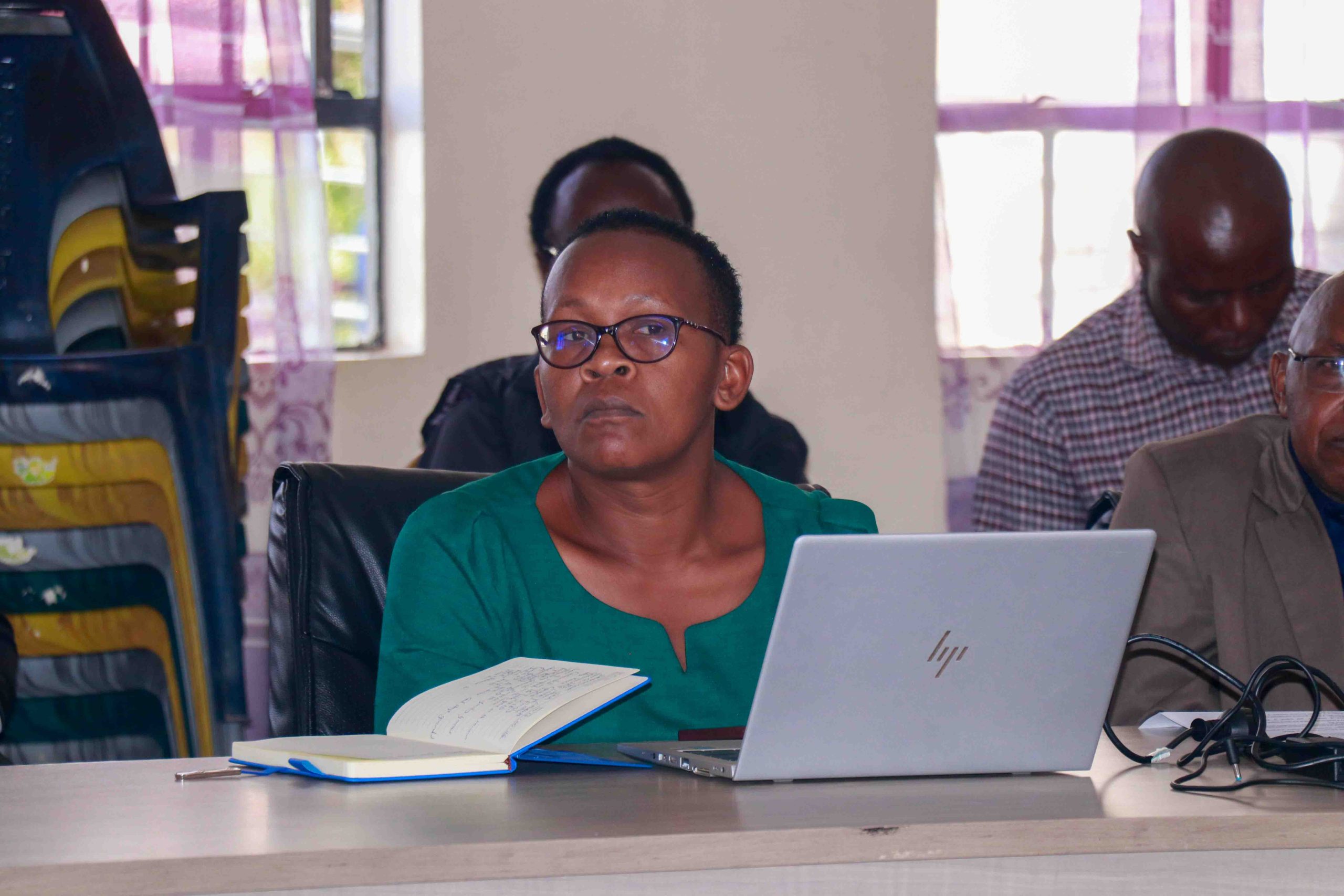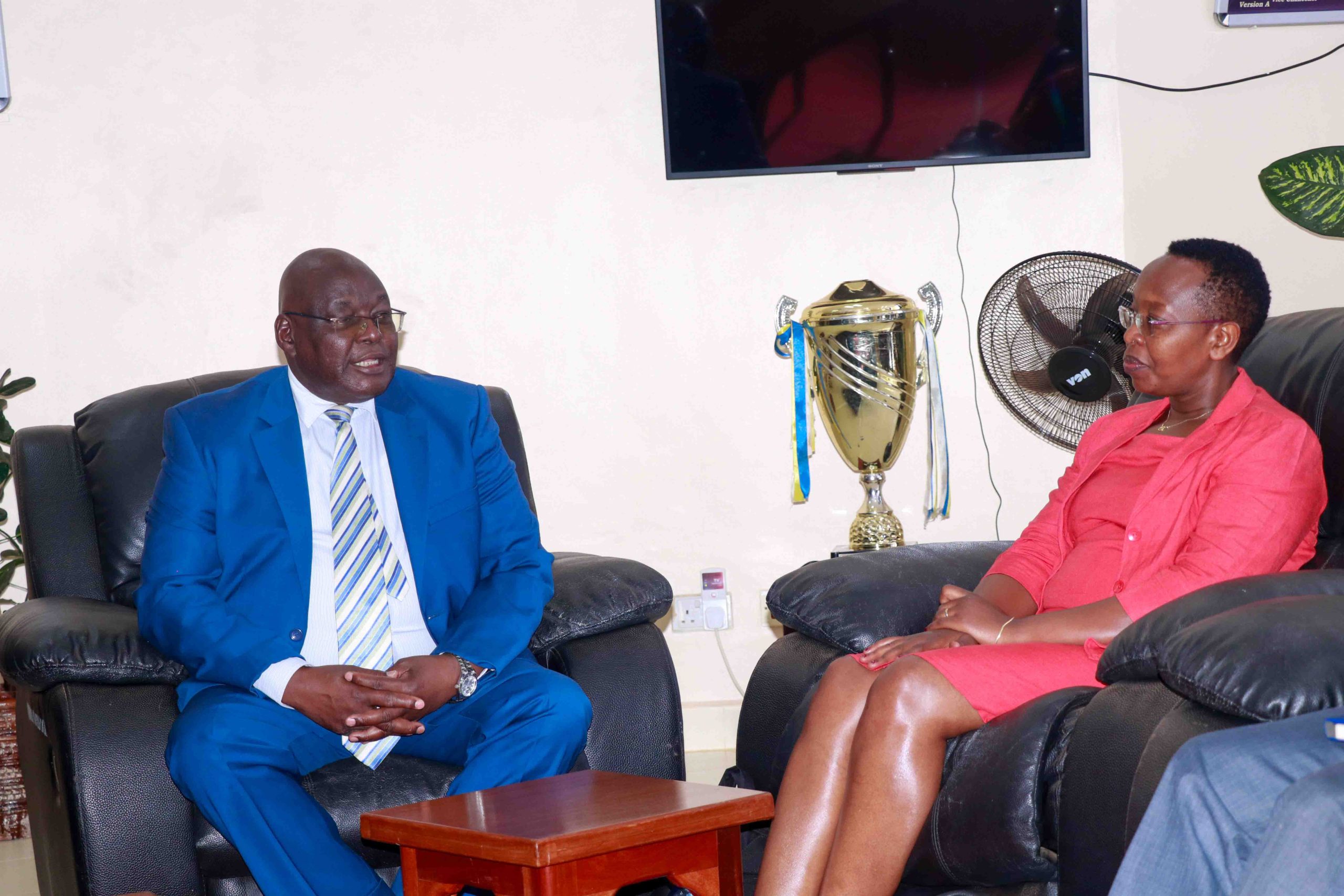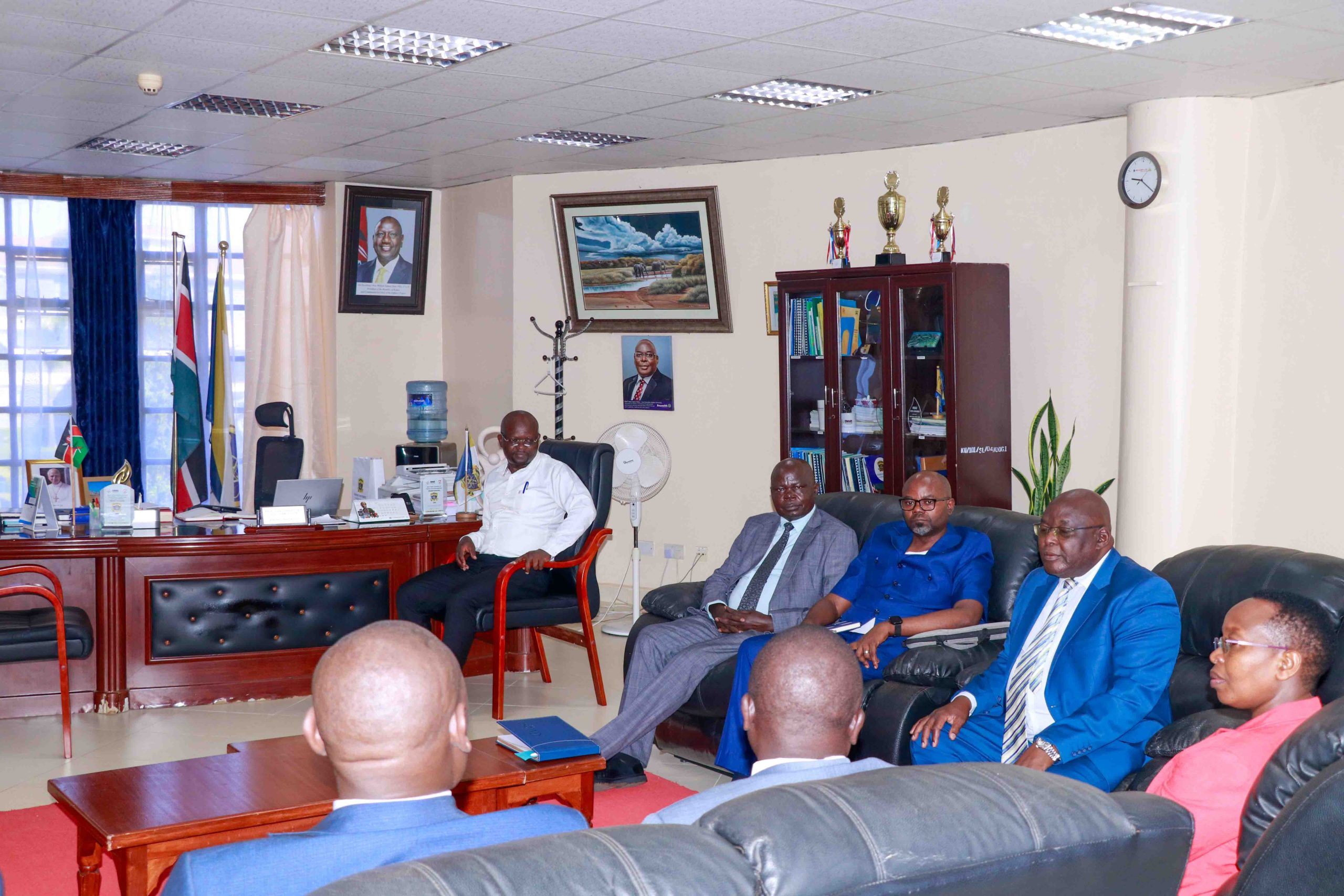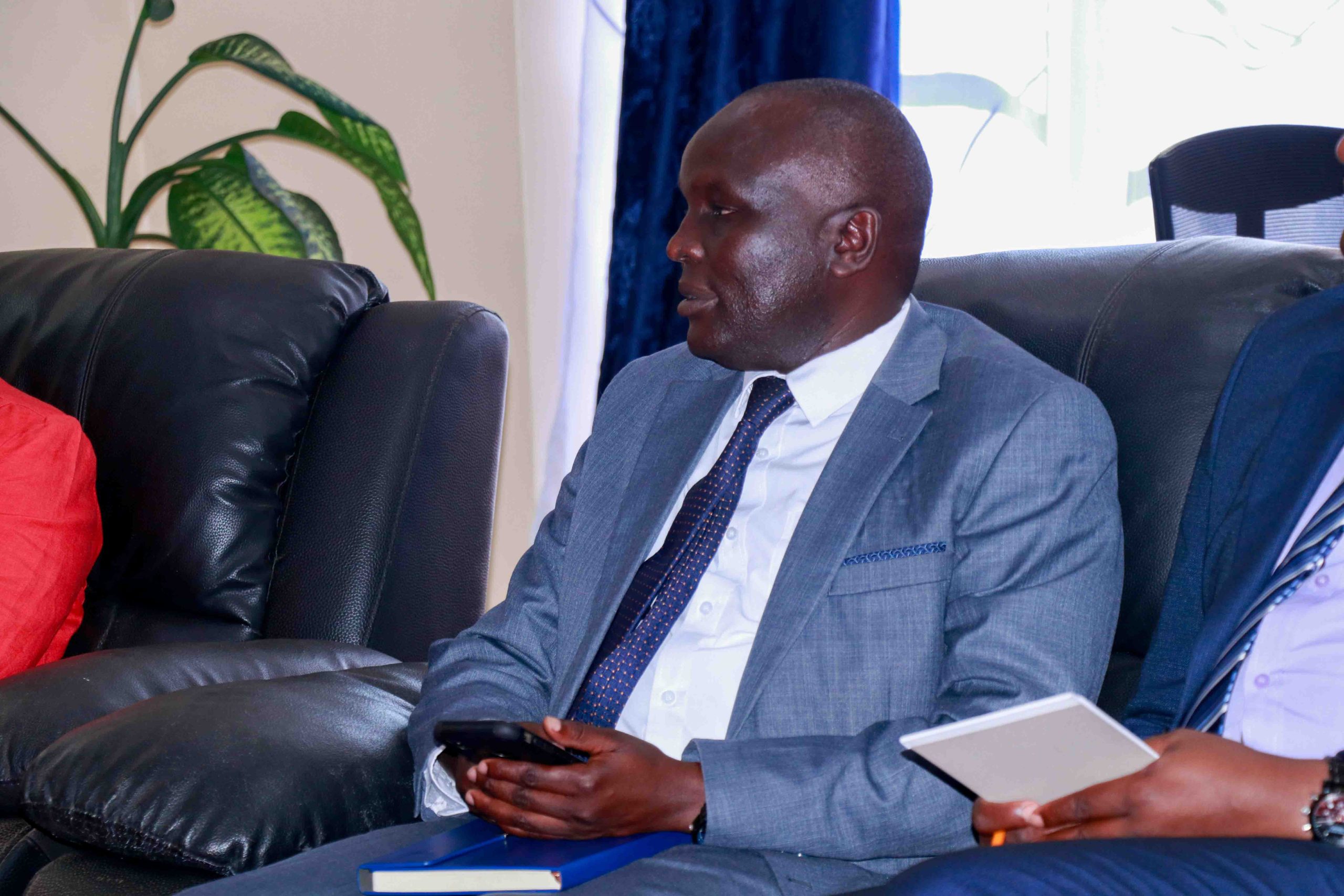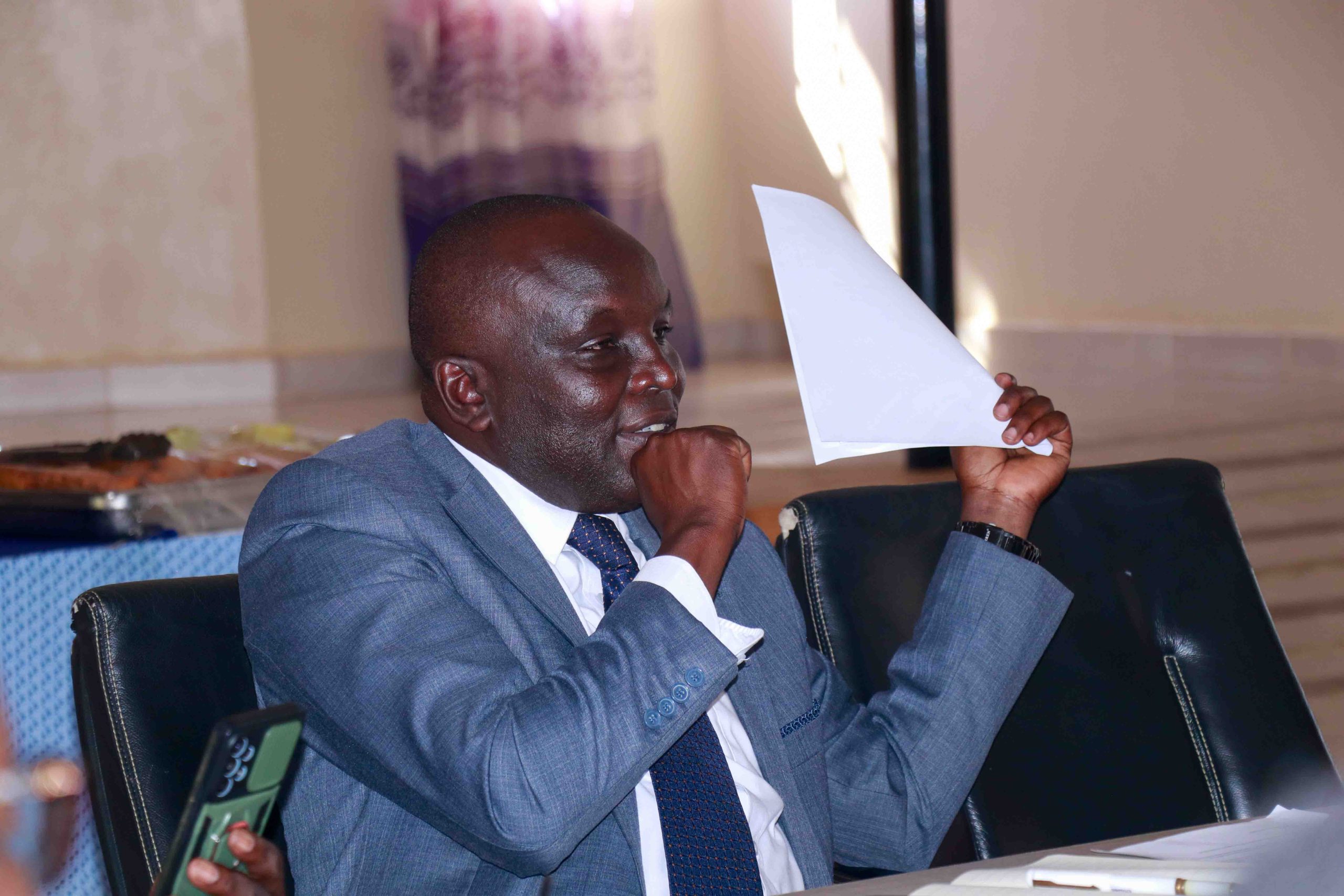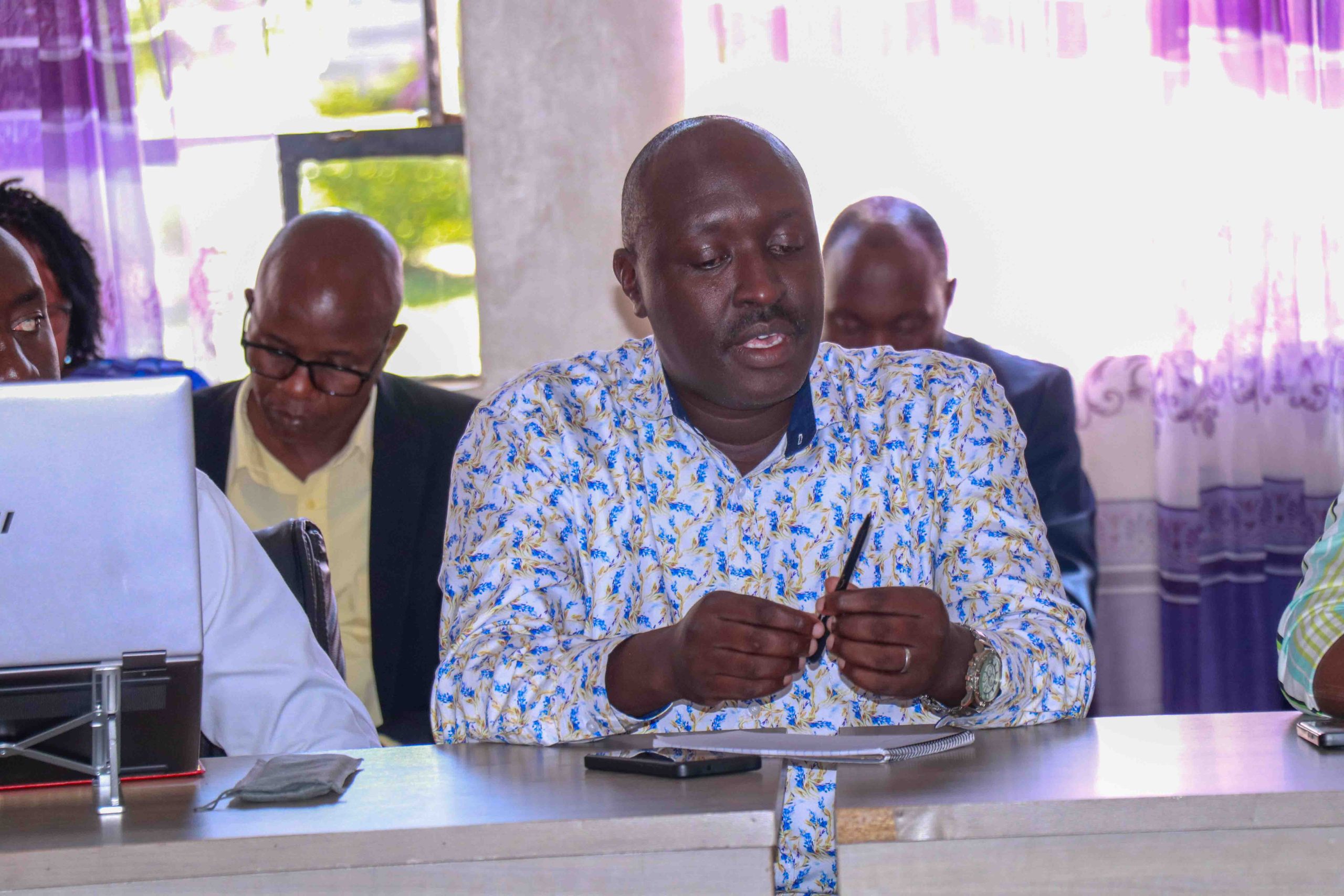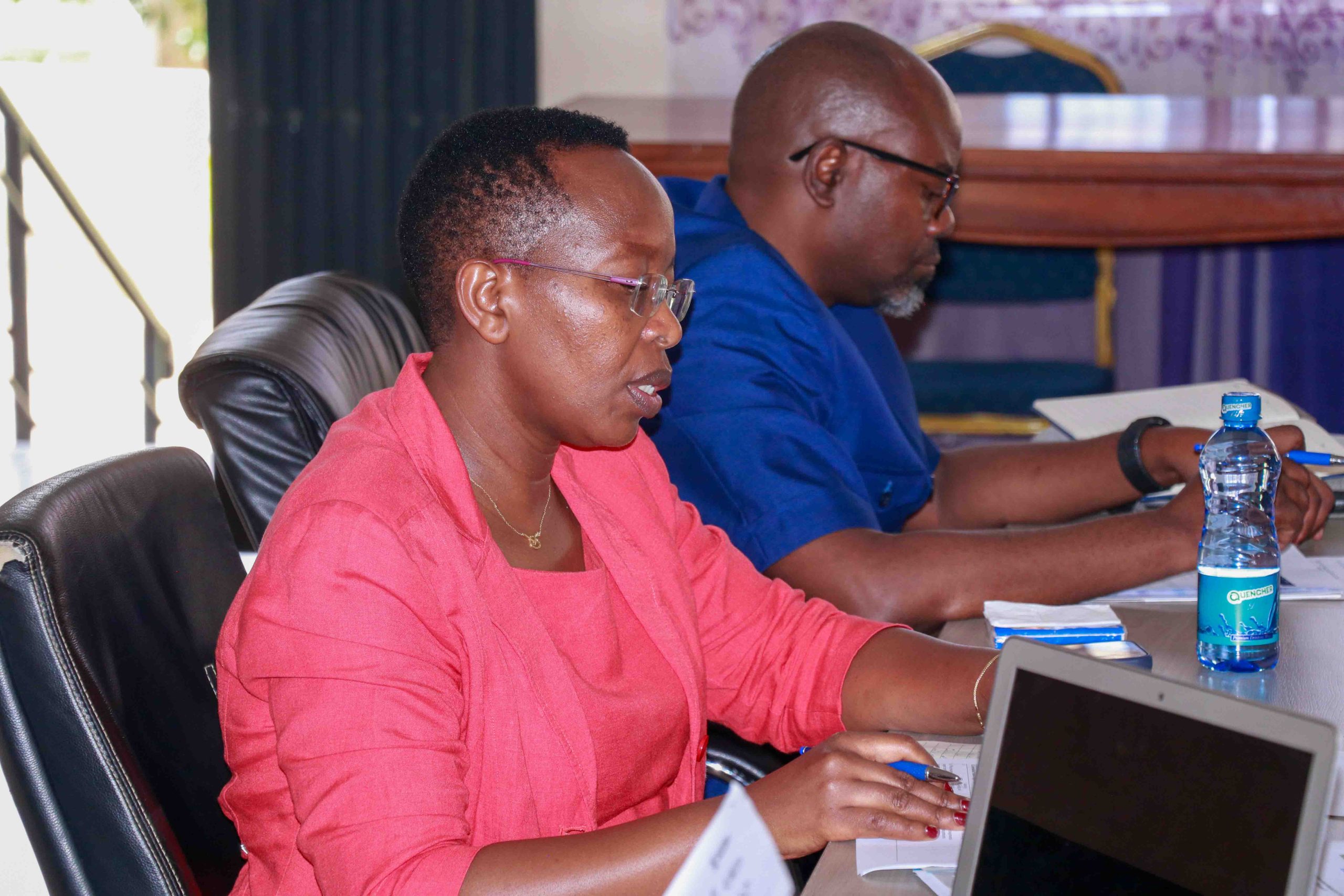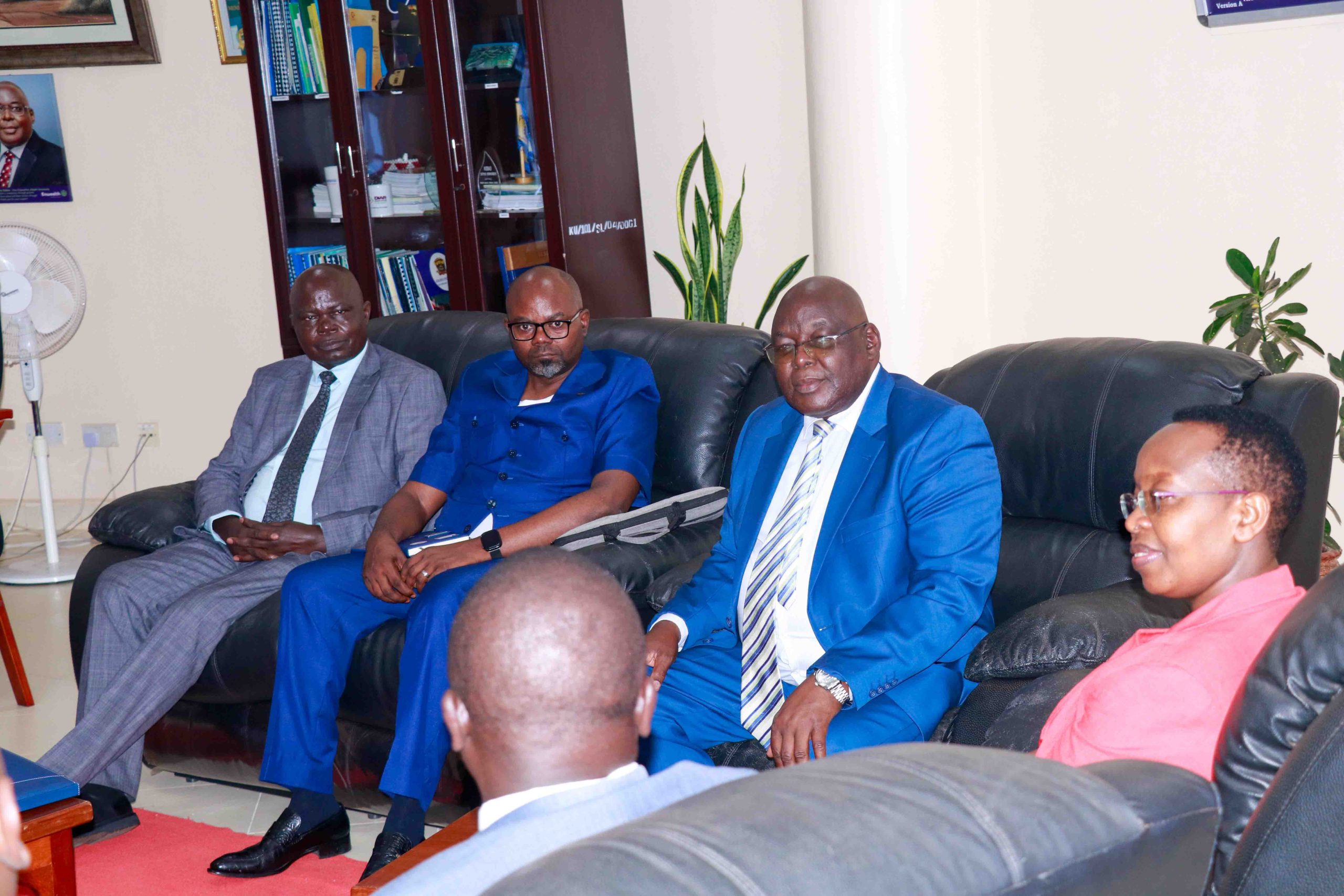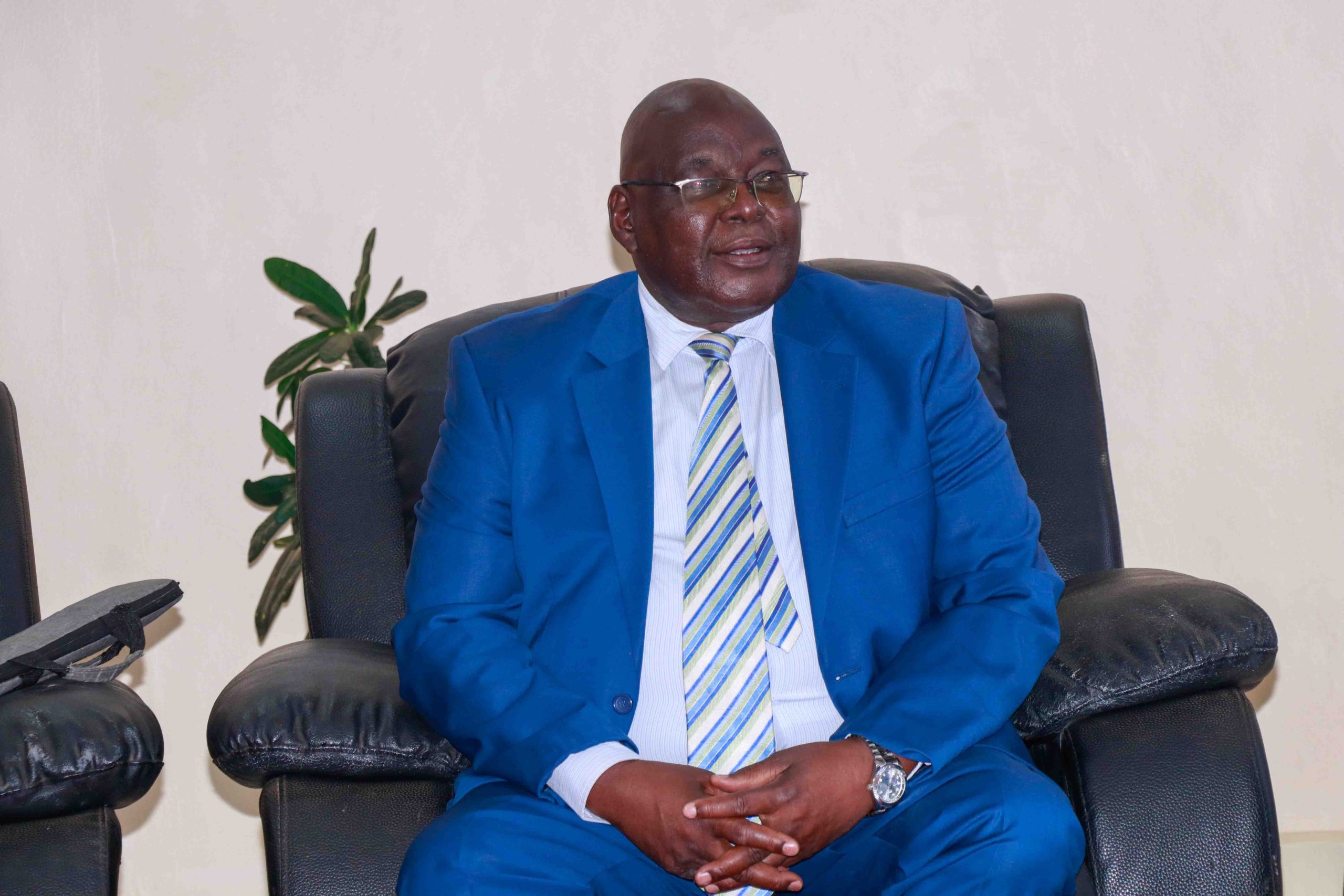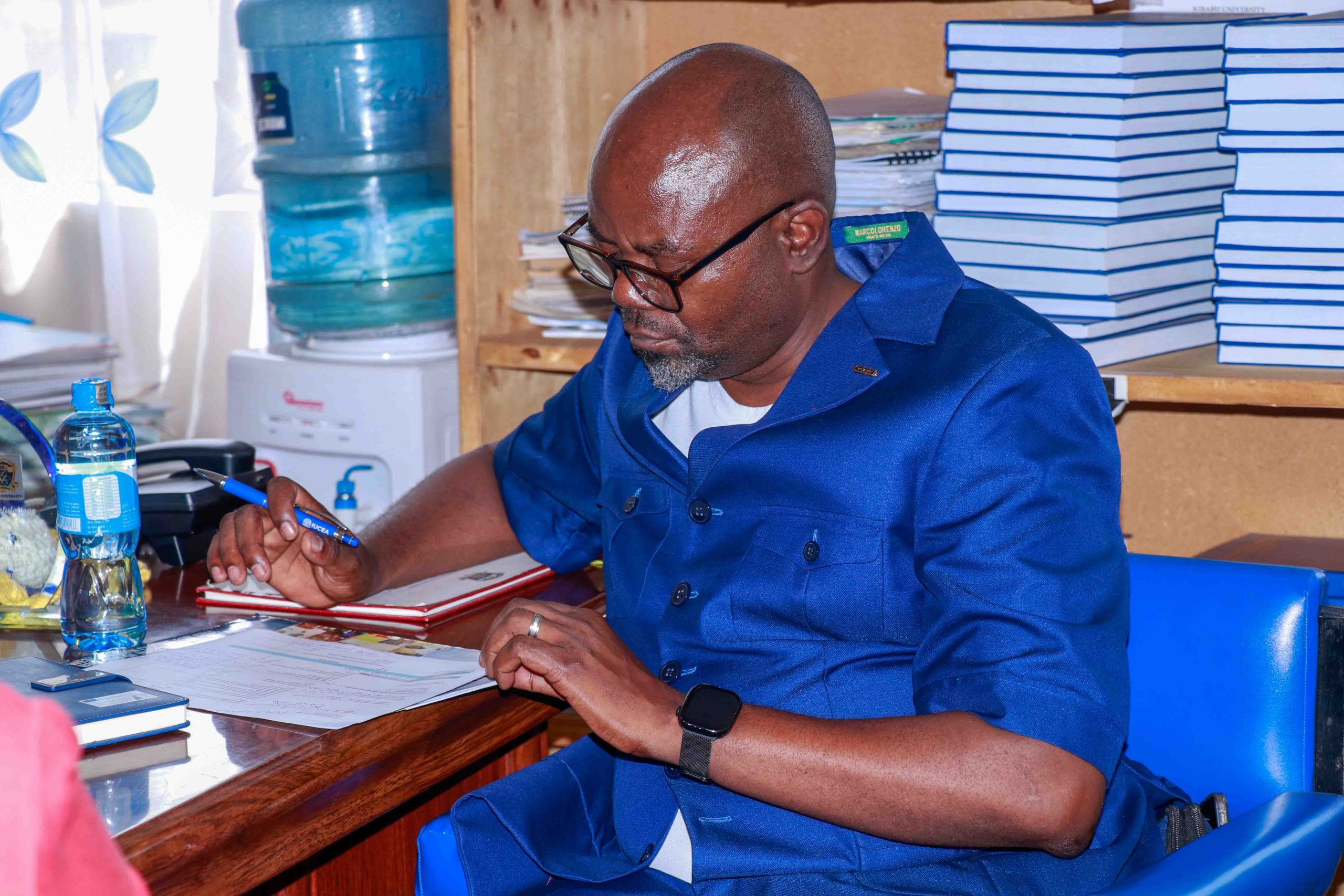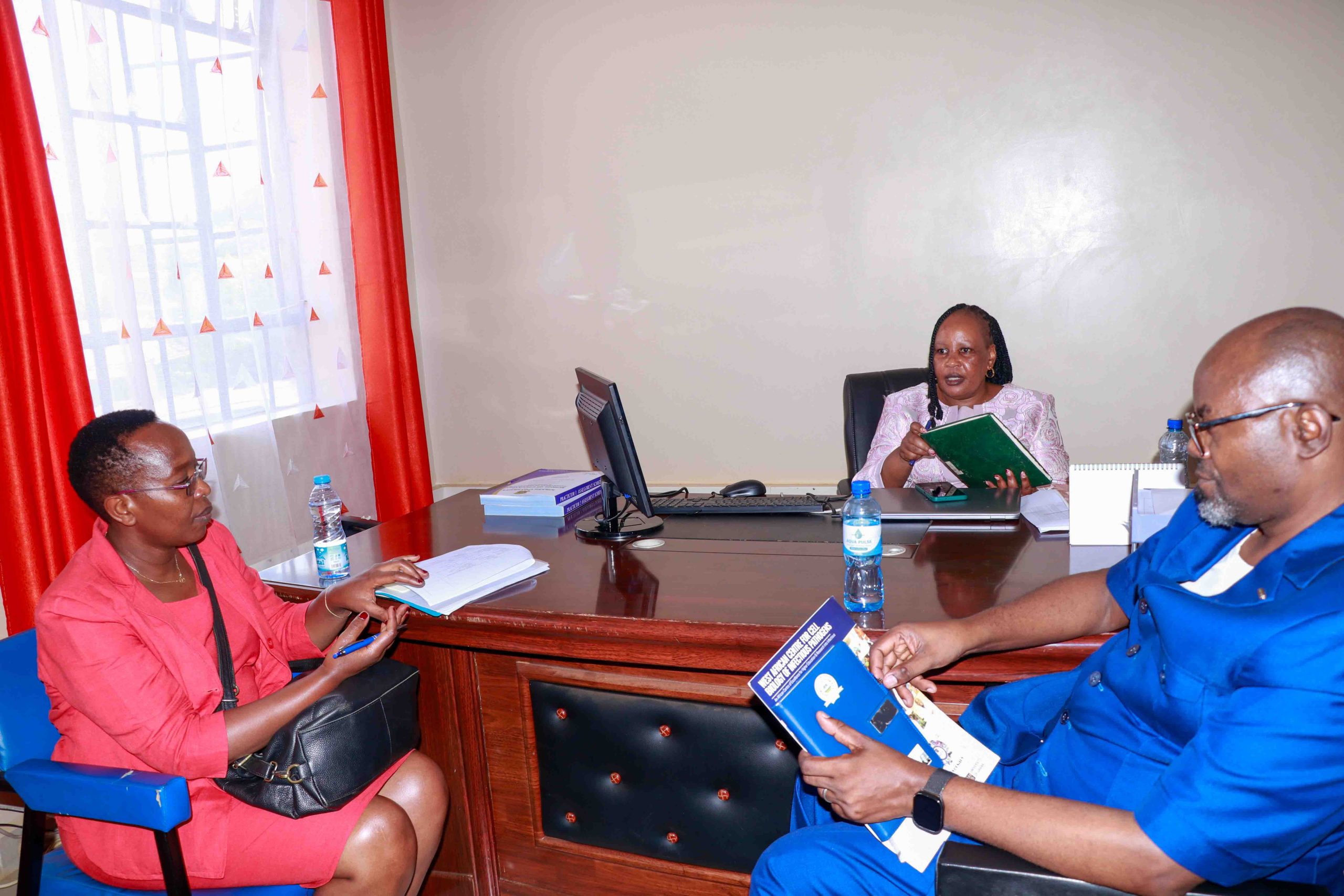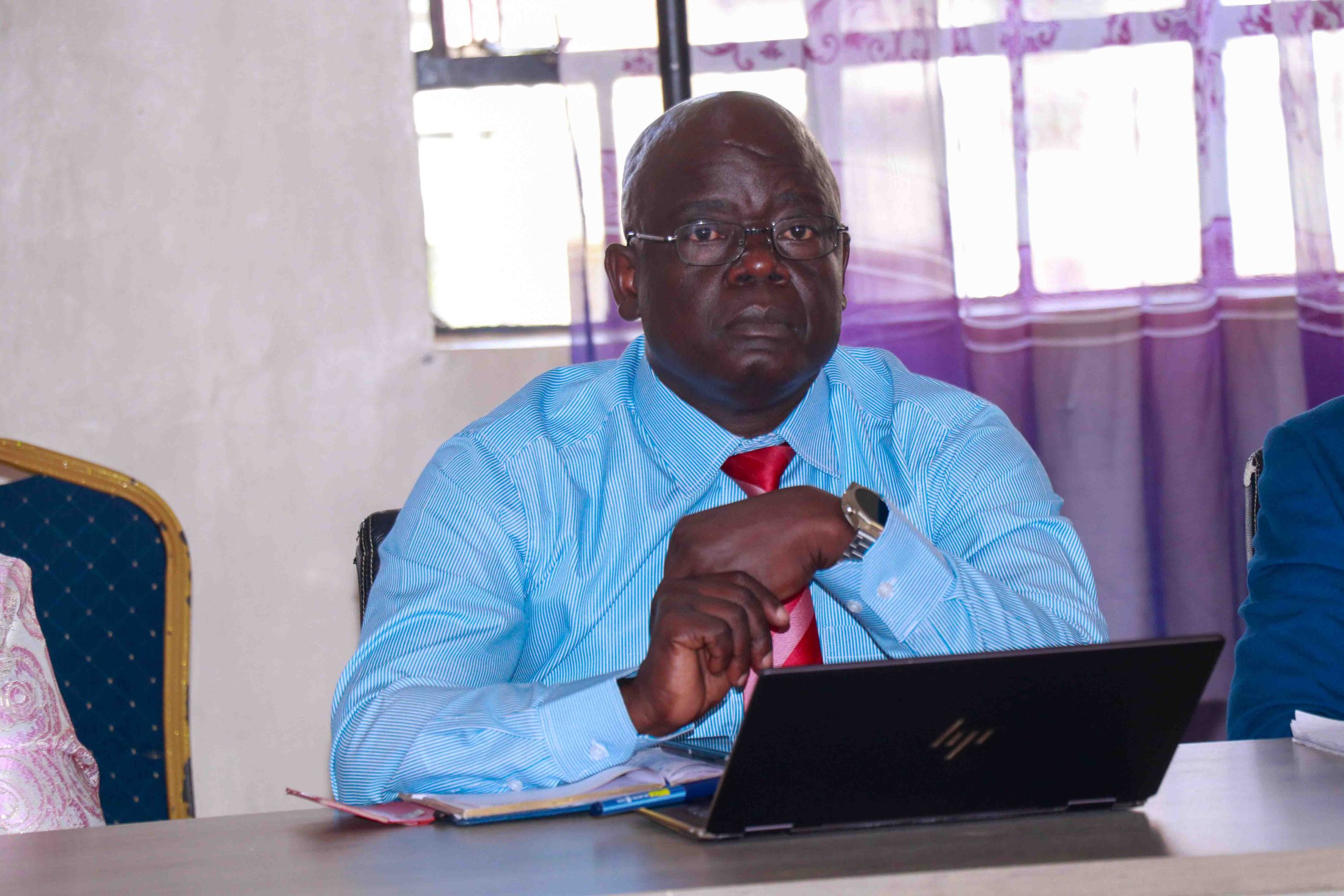
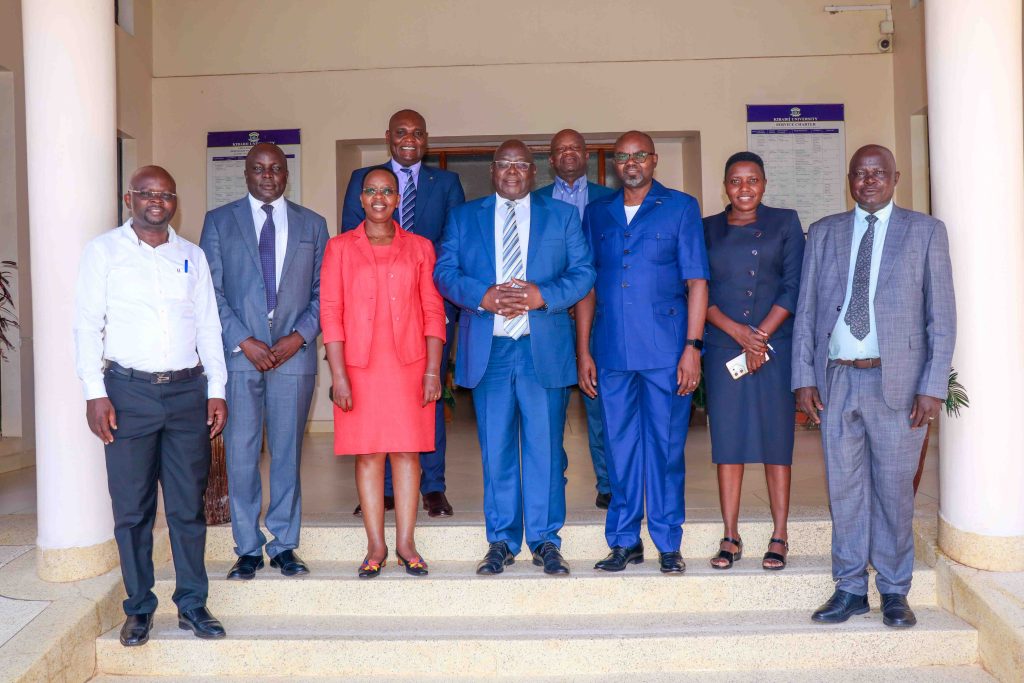
Kibabii University on Monday, 15th June 2026, hosted an evaluation team from the Inter-University Council for East Africa (IUCEA) as part of an onsite assessment of universities shortlisted to host beneficiaries under Phase II of the East Africa Higher Education Scholarship Programme. The programme, funded by the Government of Germany through KfW Development Bank, supports international students pursuing higher education within the East African region. The first cohort of beneficiaries was admitted in 2019.
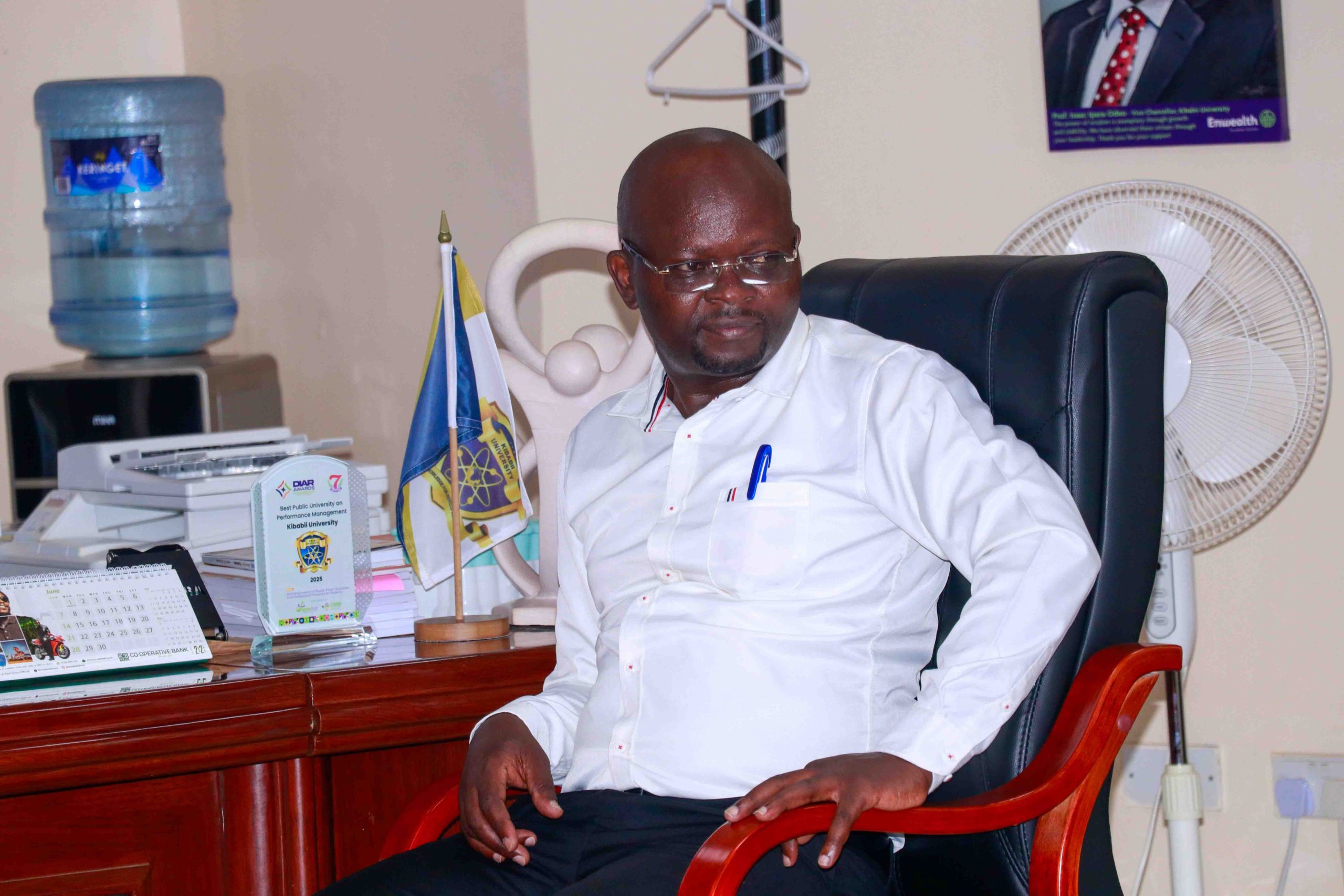
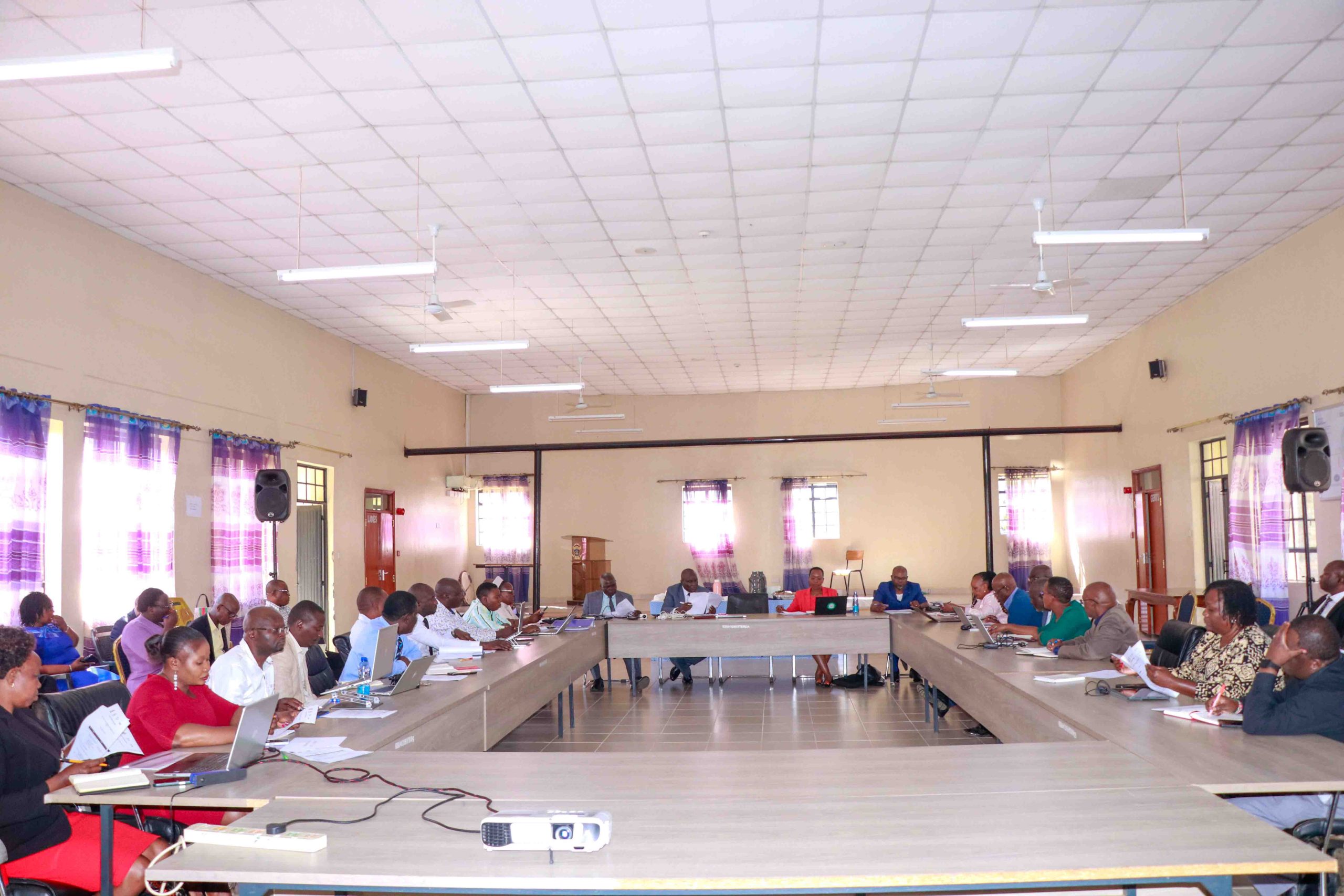
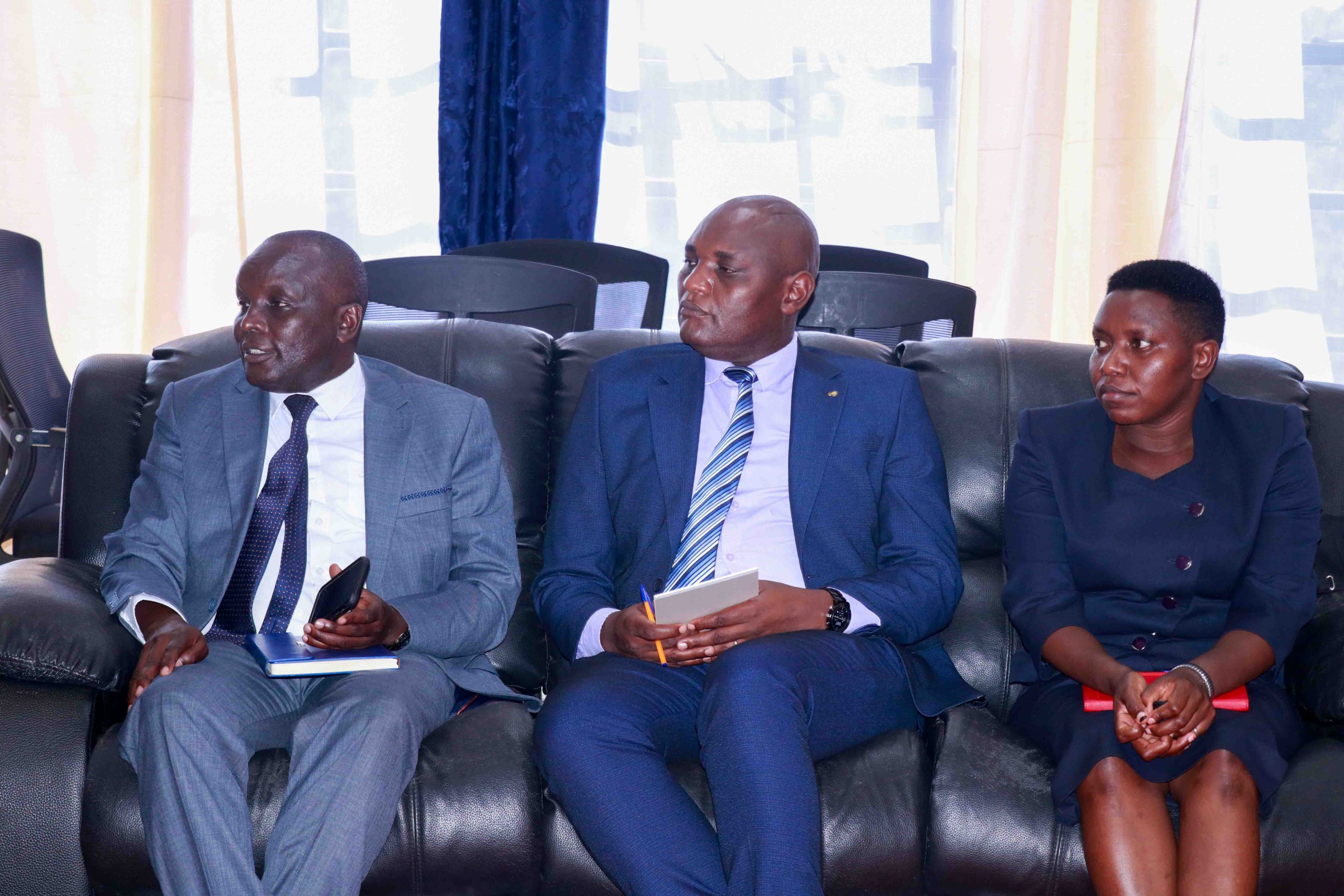
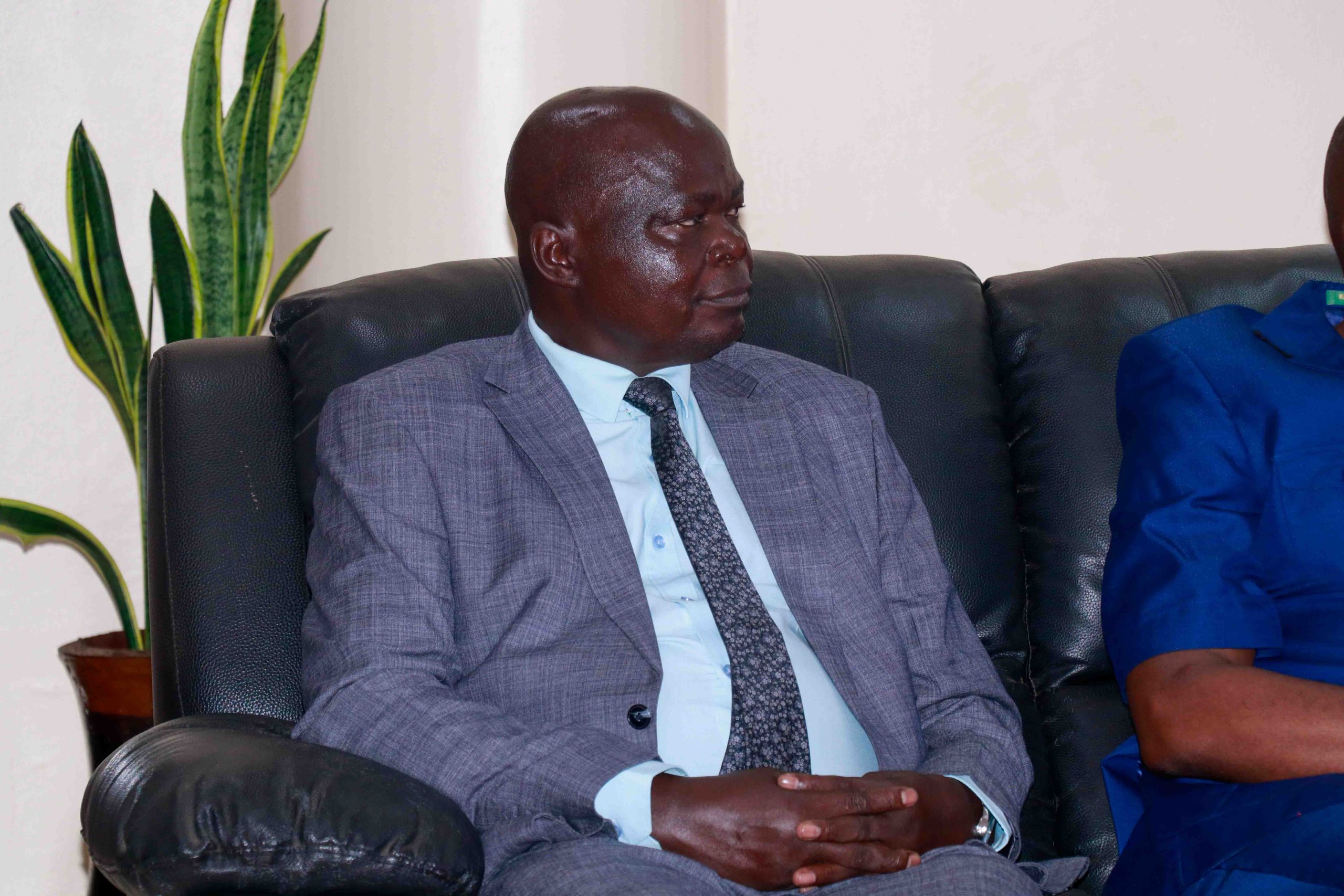
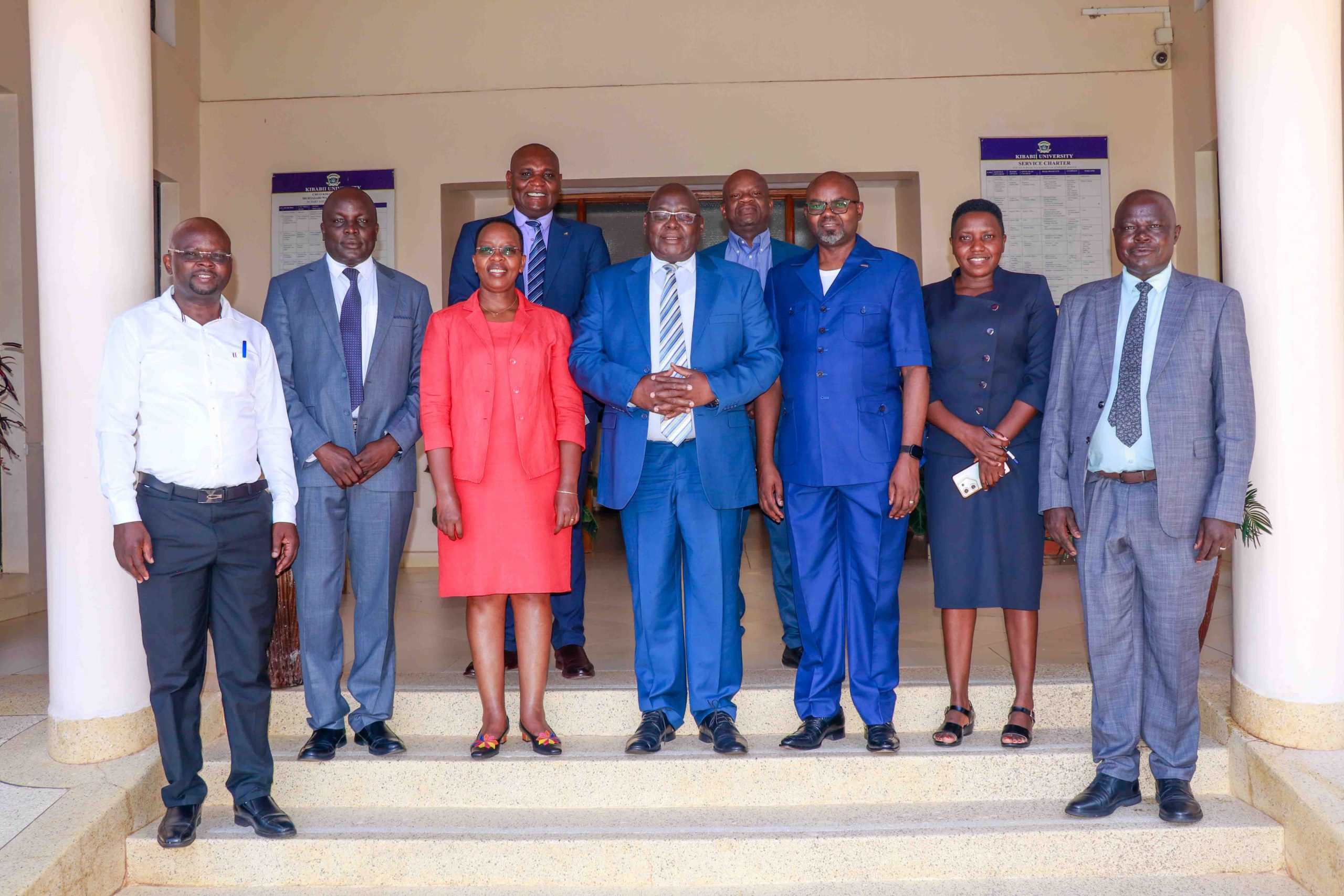
The IUCEA delegation comprised Ms. Dorine Rwehera from Burundi and Prof. Philippe Tumsifu from the Democratic Republic of Congo. Upon arrival, the team paid a courtesy call to the Vice Chancellor before proceeding to the Senate Boardroom for a consultative meeting with members of the University Management Board. The session was chaired by Prof. Julius Maiyo, who represented the Vice Chancellor.
In his welcoming remarks, Prof. Maiyo expressed appreciation to IUCEA for considering Kibabii University as a potential host institution for the next cohort of scholarship beneficiaries. He reaffirmed the University’s commitment to providing a conducive academic environment, quality learning facilities, and comprehensive student support services that enable learners to excel academically and achieve their career aspirations.
The evaluation focused on assessing the University’s readiness to host international students. The team reviewed institutional policies, academic programmes, student welfare services, accommodation facilities, laboratories, lecture rooms, and other learning resources necessary for successful programme implementation. During the assessment, the evaluators acknowledged Kibabii University’s outstanding performance during Phase I of the programme, noting that the University ranked second among participating institutions with a performance score of 91%, behind Moshi Cooperative University of Tanzania.
On their part, the IUCEA representatives emphasized the importance of creating a positive and supportive experience for international students. They noted that scholarship beneficiaries serve as ambassadors of their host institutions and that the quality of support and services offered to them plays a significant role in enhancing the reputation, visibility, and competitiveness of universities within the region and beyond.
The scholarship programme supports students enrolled in nationally accredited academic programmes with a duration of two years. For Phase II, Kibabii University submitted eleven programmes for consideration, eight of which have been shortlisted. Universities are required to attain a minimum score of 60 per cent during the evaluation process to qualify for participation. The programme is expected to support three cohorts annually, with approximately 120 students enrolling each year across participating institutions.
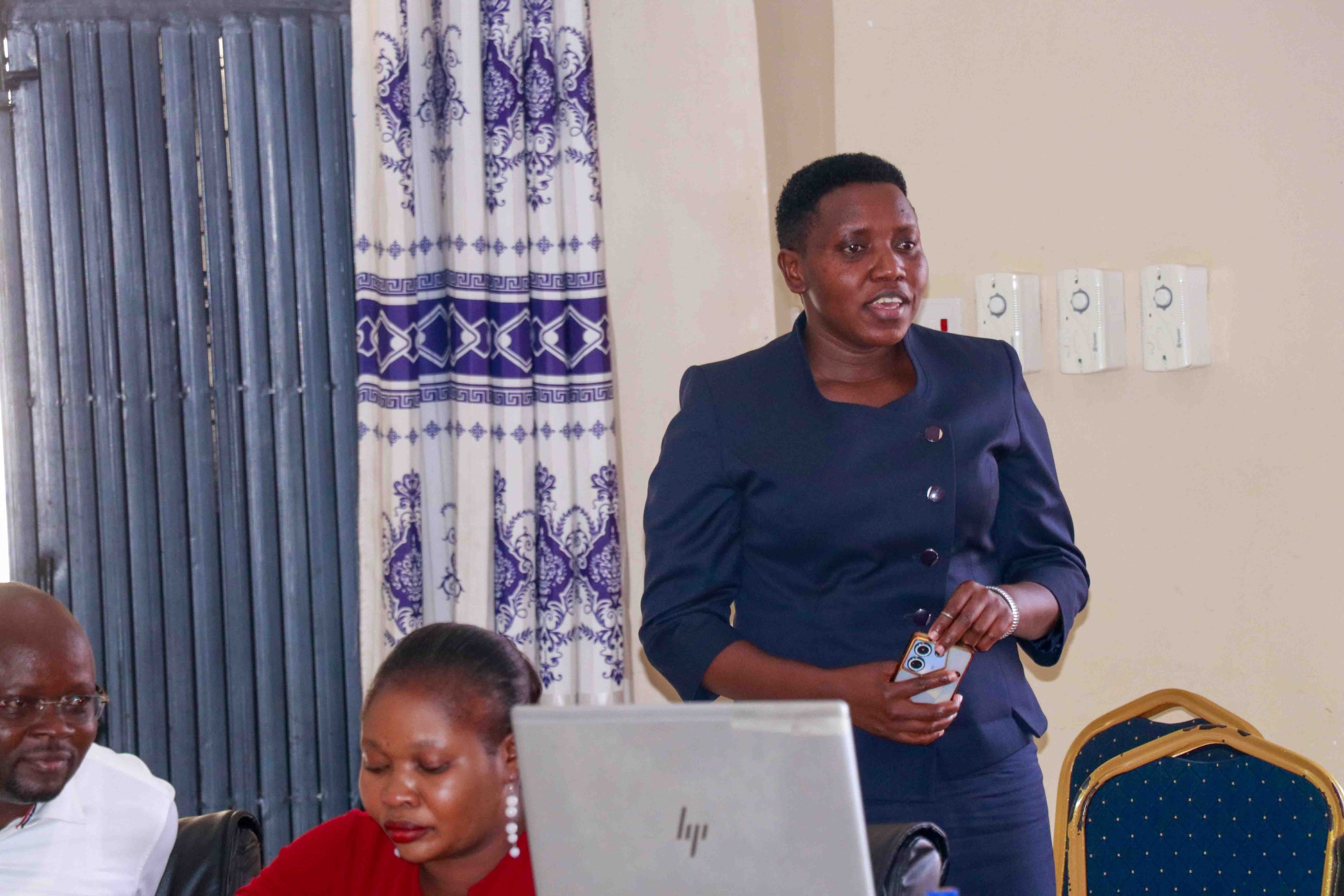
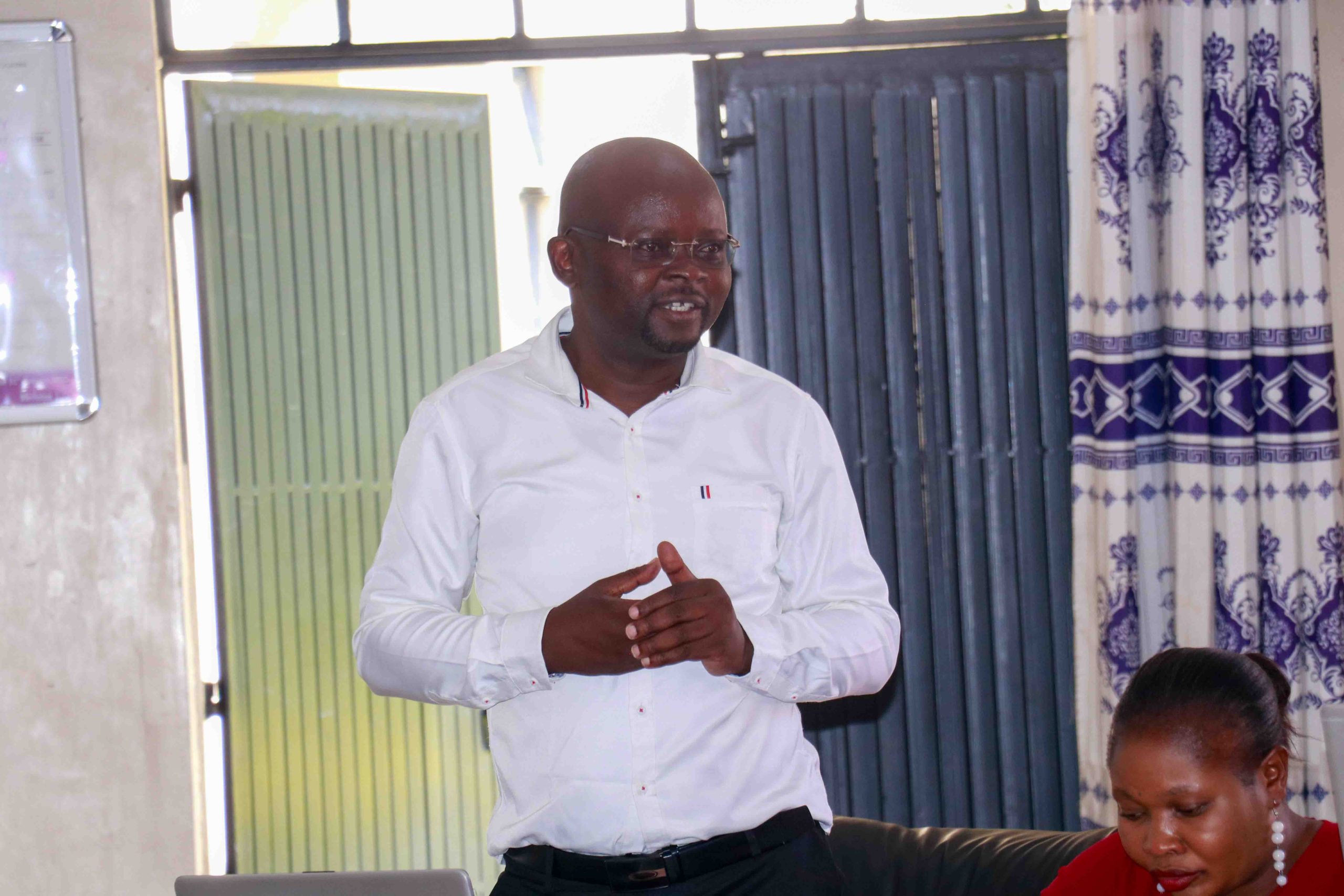
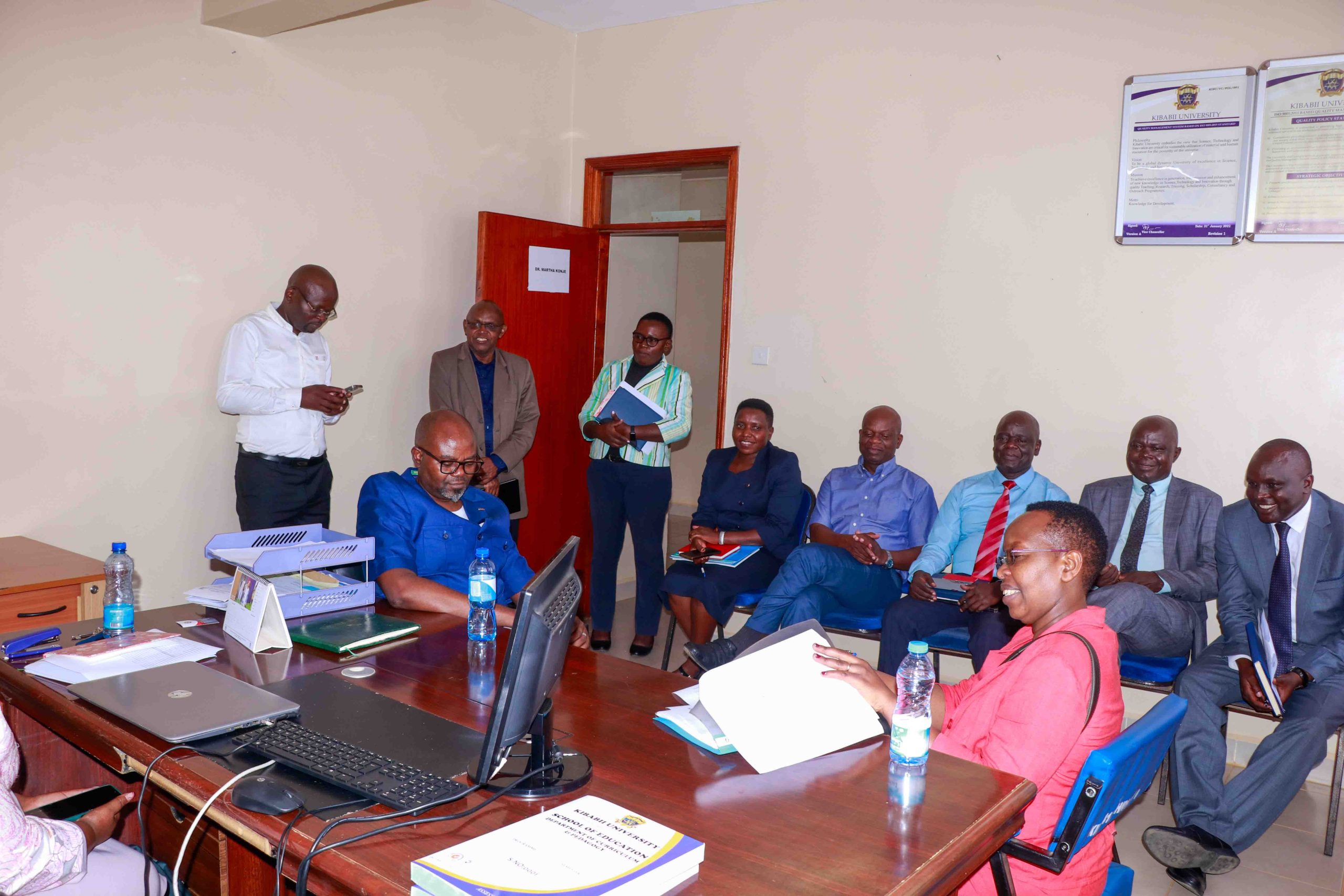
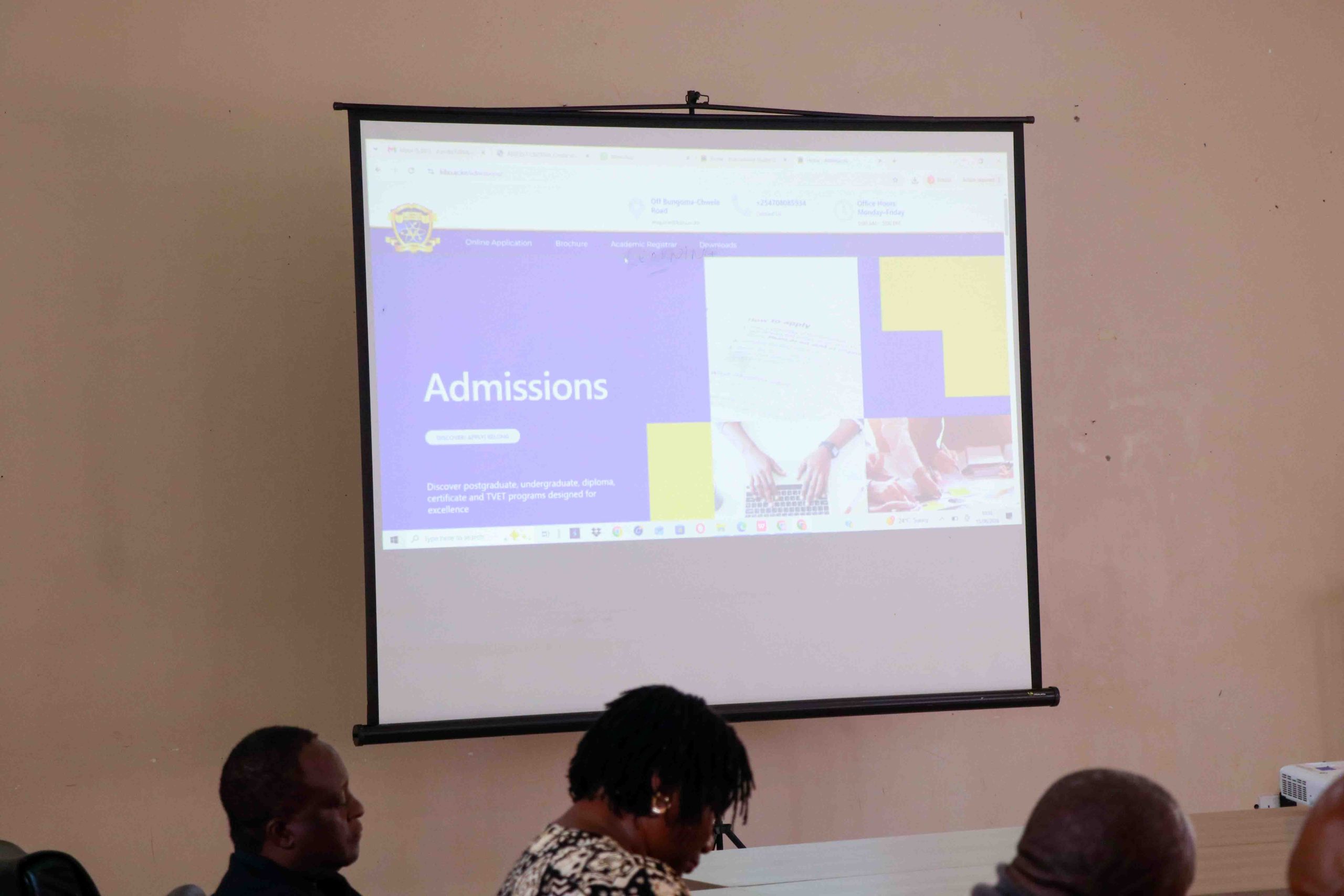
During the meeting, the Coordinator of International Linkages presented the University’s procedures on student application, admission, teaching and learning, academic support, and programme completion. The presentation also highlighted the availability of comprehensive information for prospective international students through the University’s website. In addition, the University underscored its commitment to inclusivity by encouraging applications from students living with disabilities and outlining the support mechanisms available to facilitate their academic success.
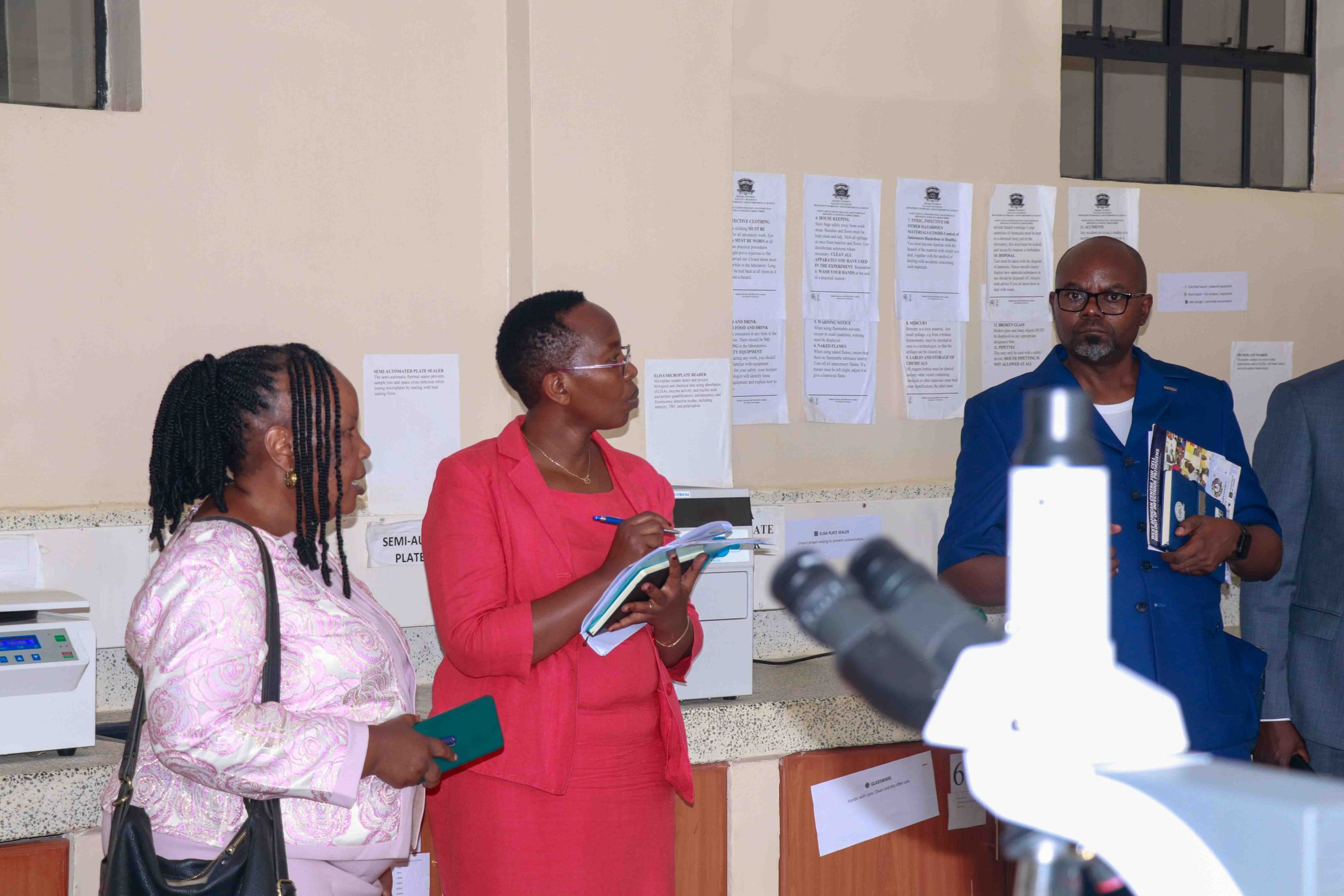
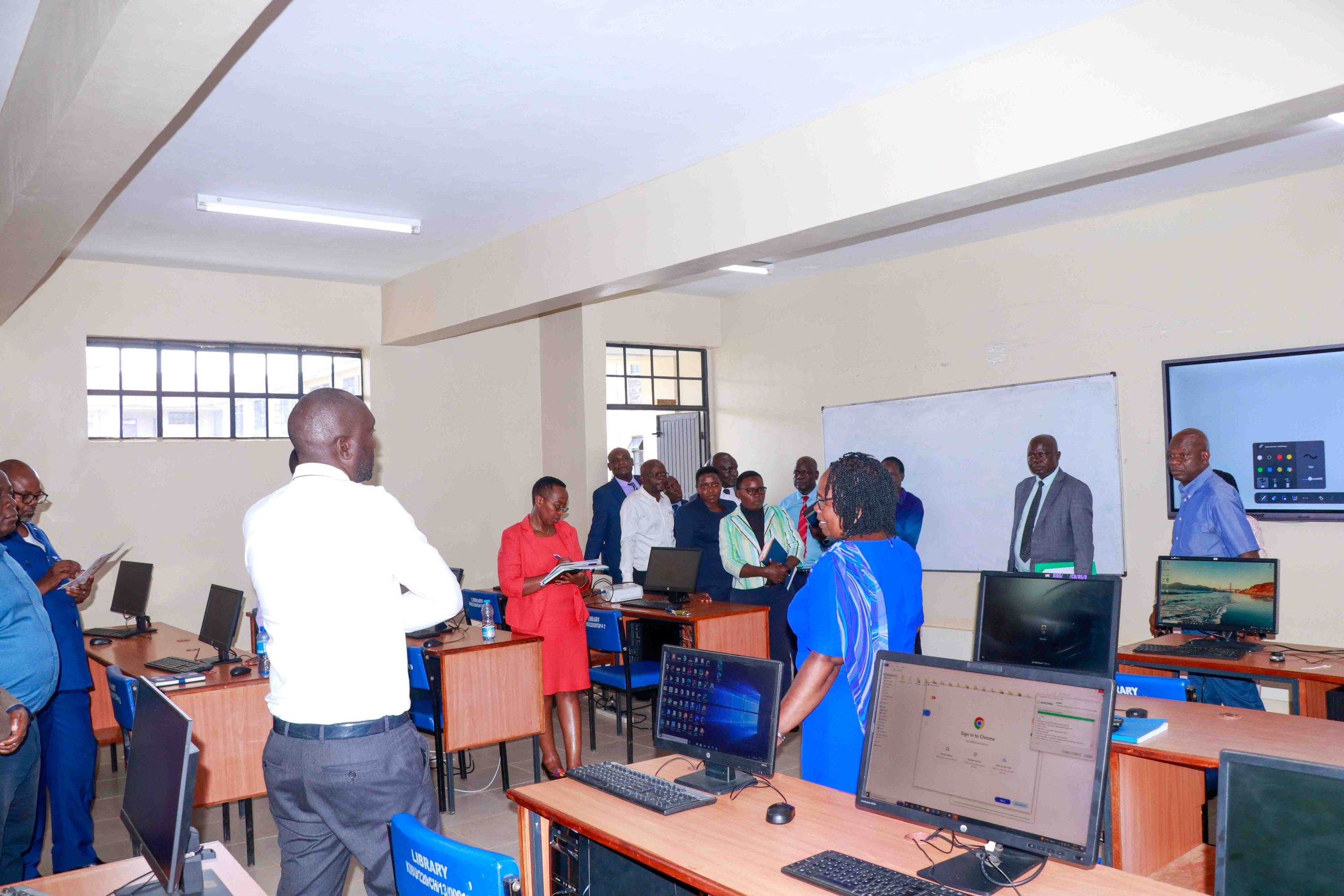
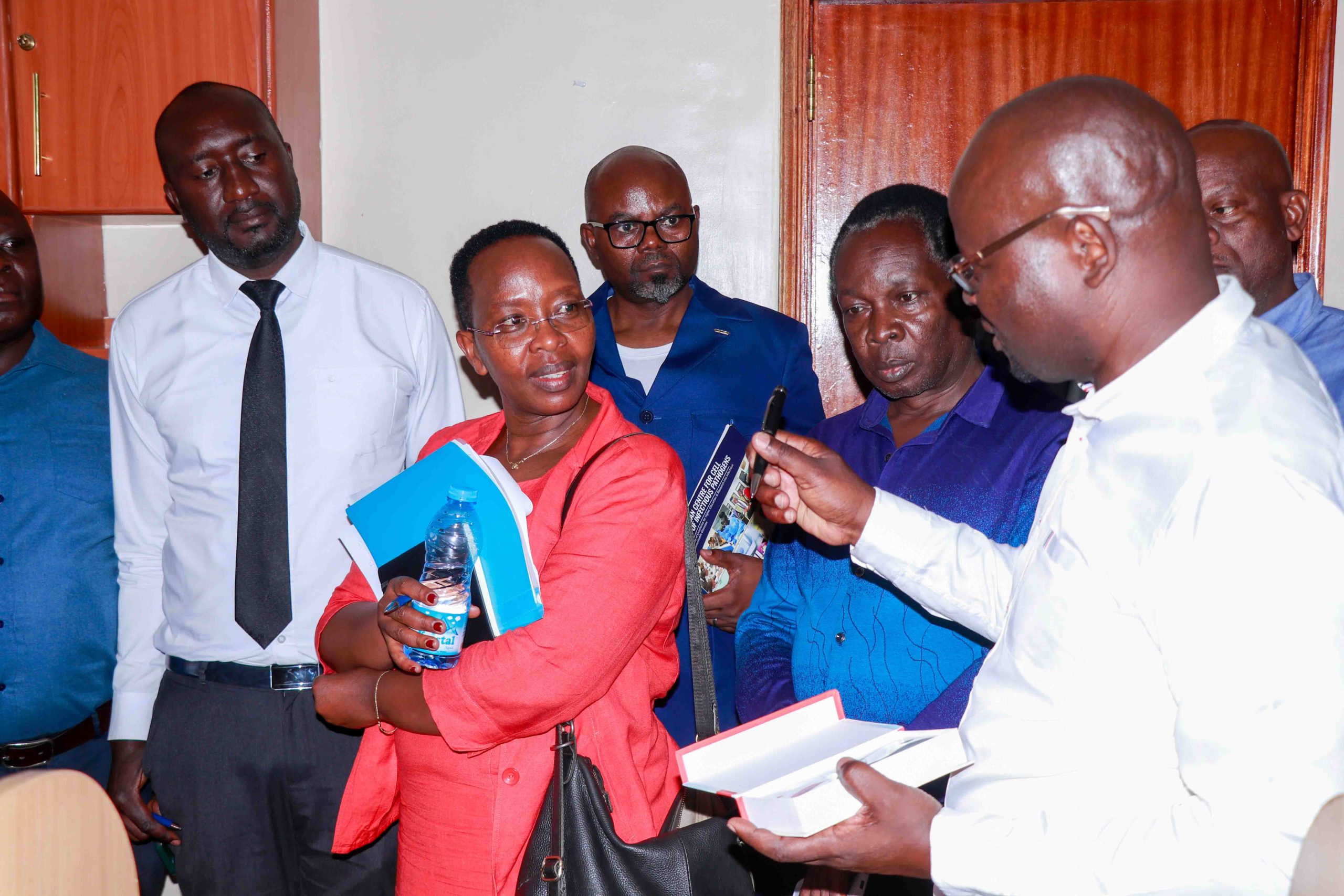
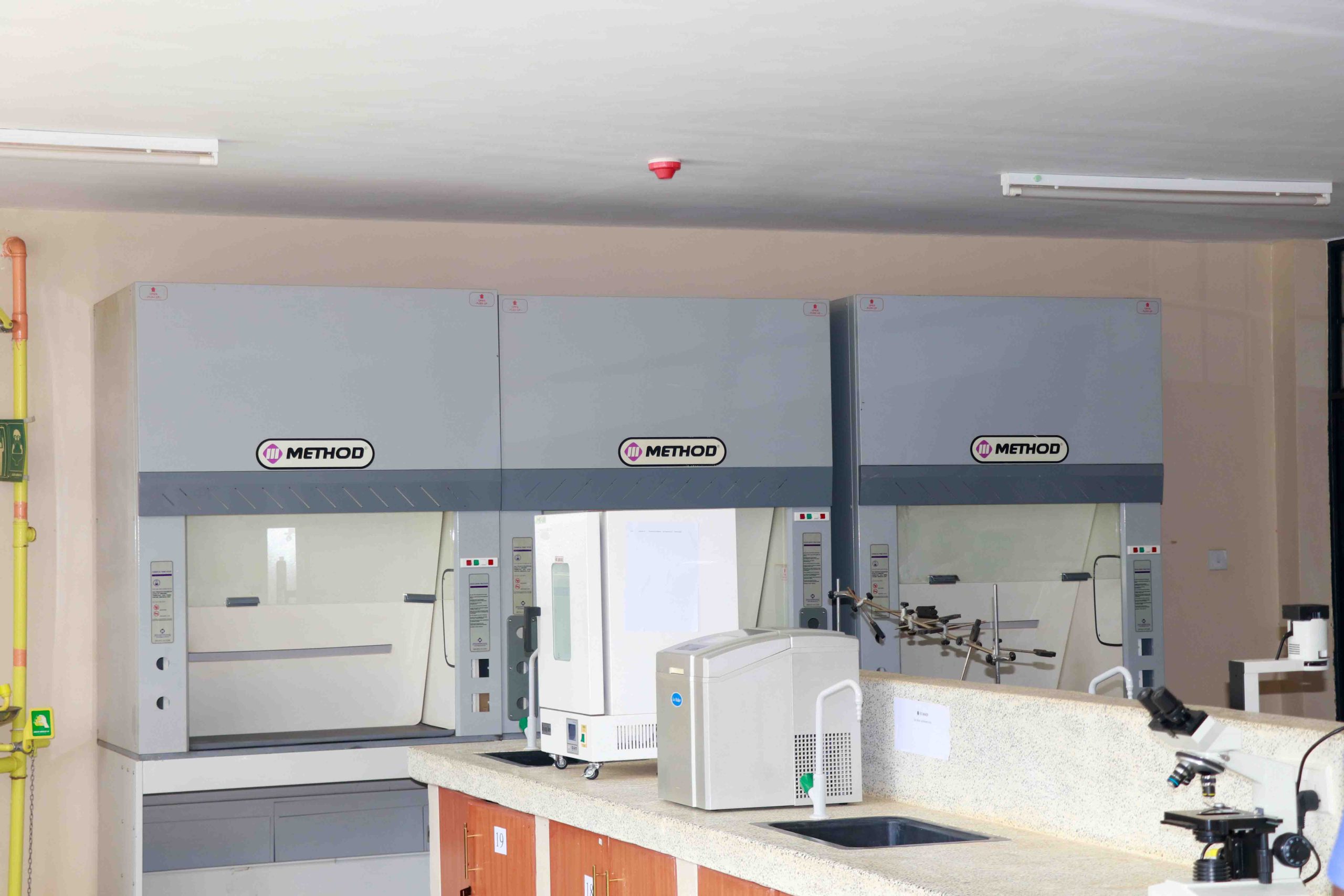
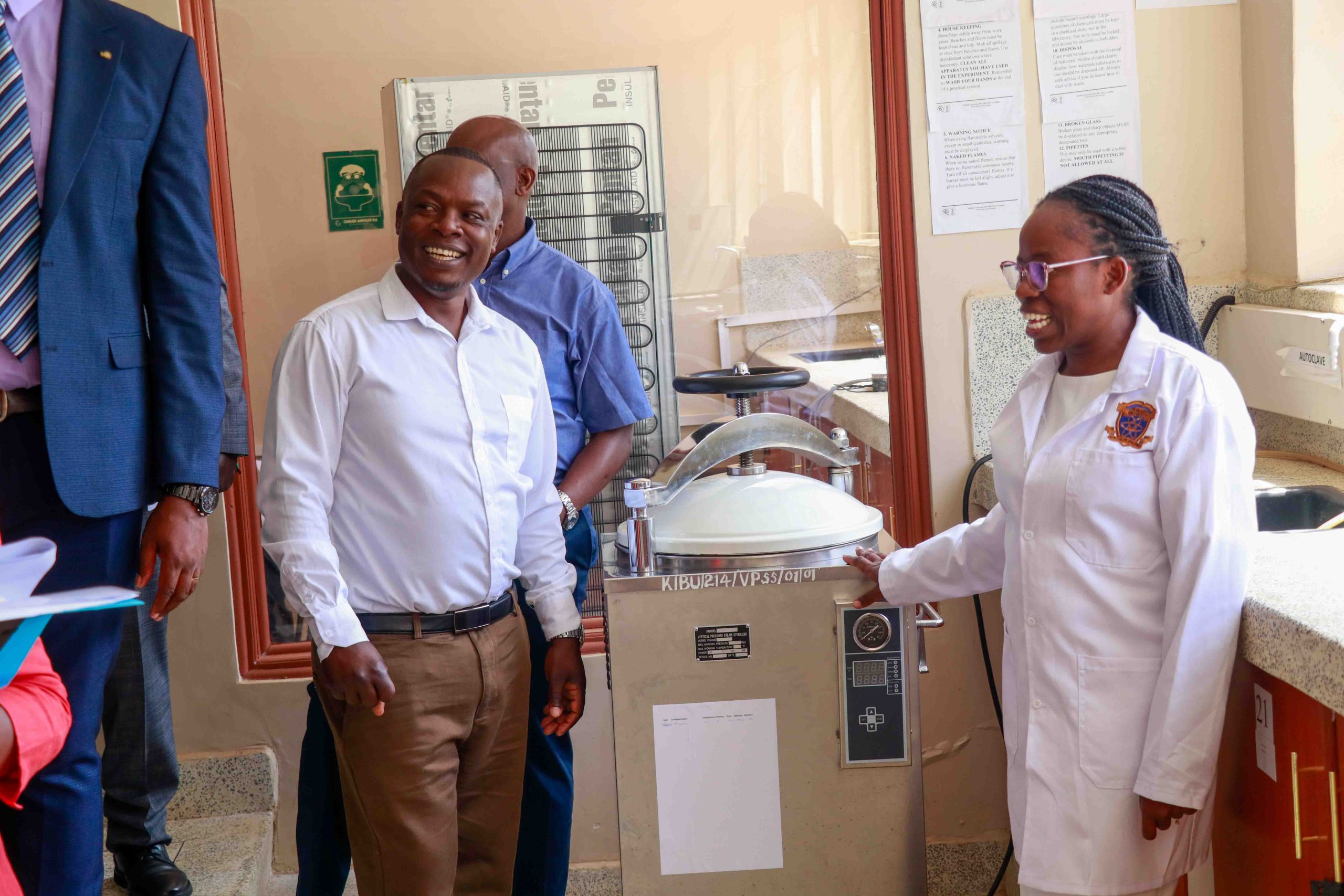
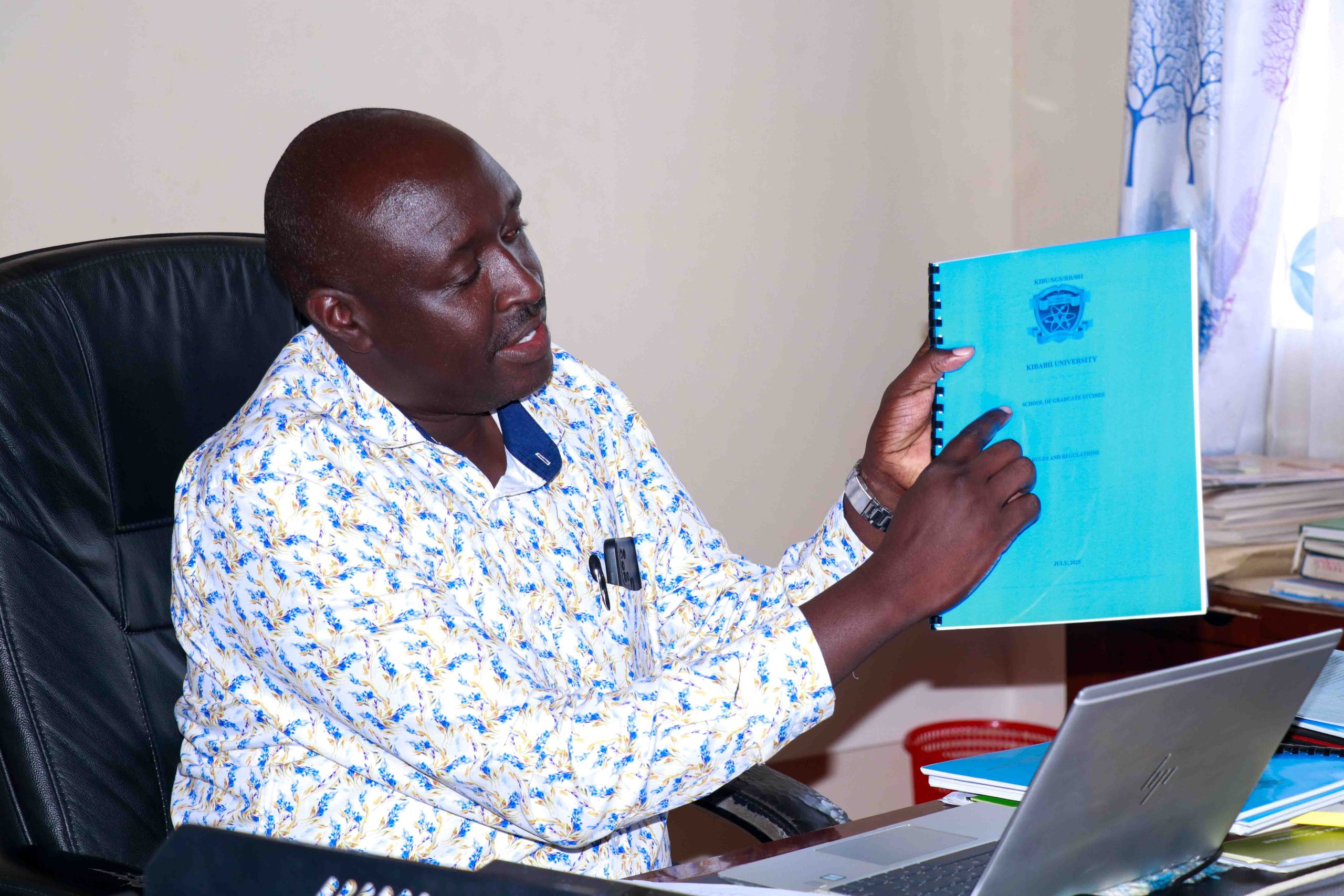
As part of the assessment, the IUCEA team conducted an inspection of key facilities across the University, including science laboratories, the School of Graduate Studies, the School of Business, the Lactation Centre, and student accommodation facilities. The evaluators expressed satisfaction with the quality of infrastructure and support systems available, describing Kibabii University as one of the institutions well-equipped to support international students and successfully implement the scholarship programme.
Gallery