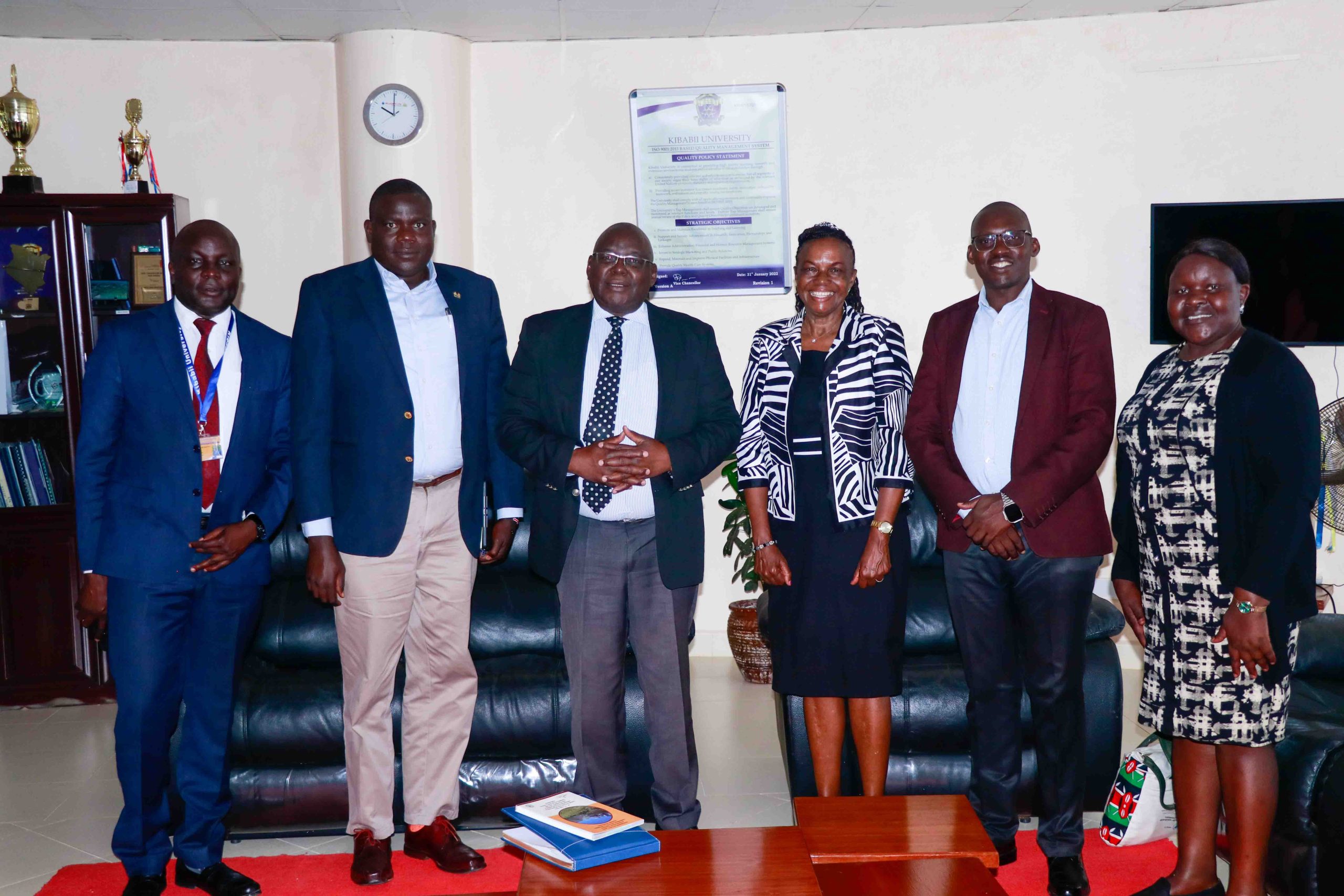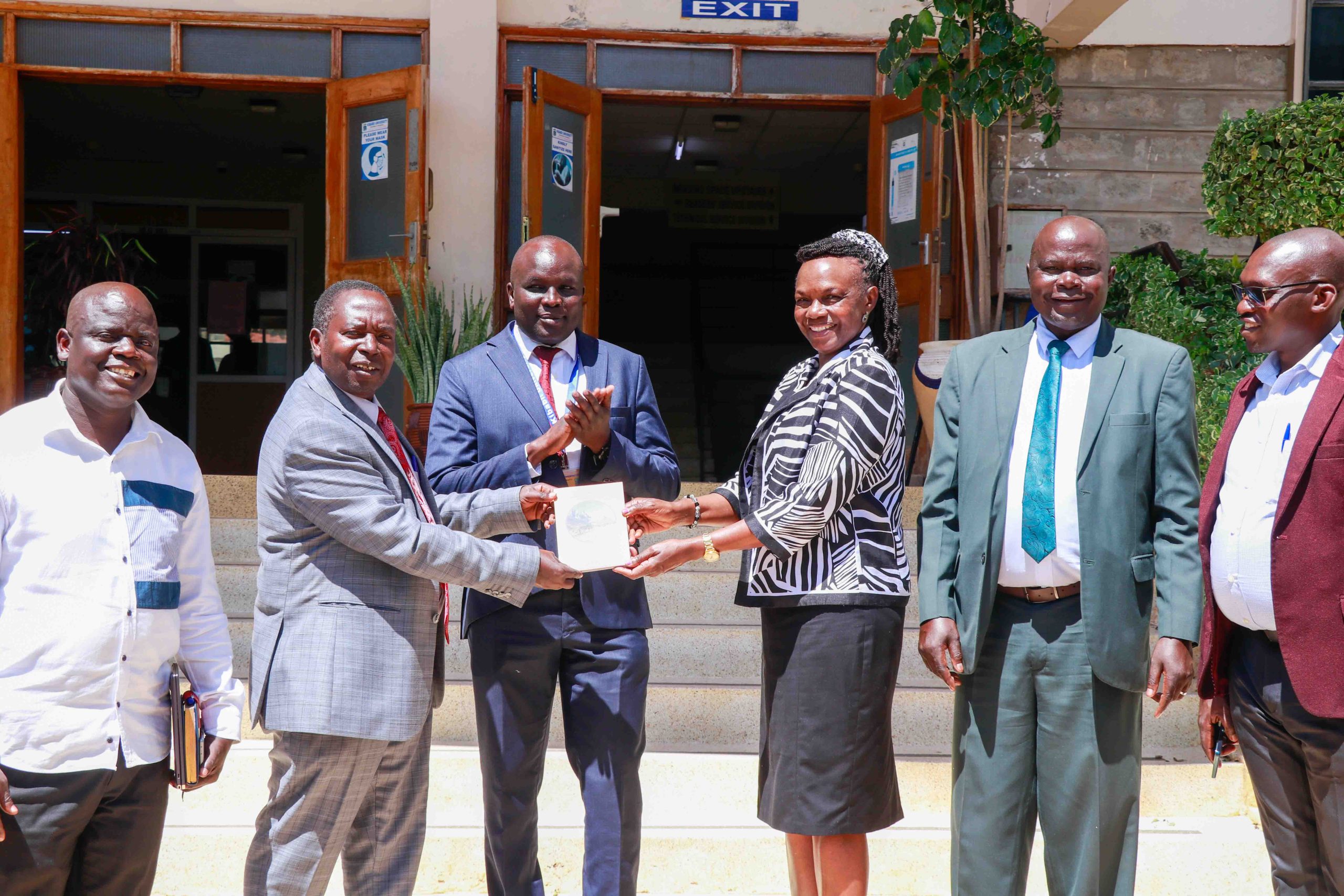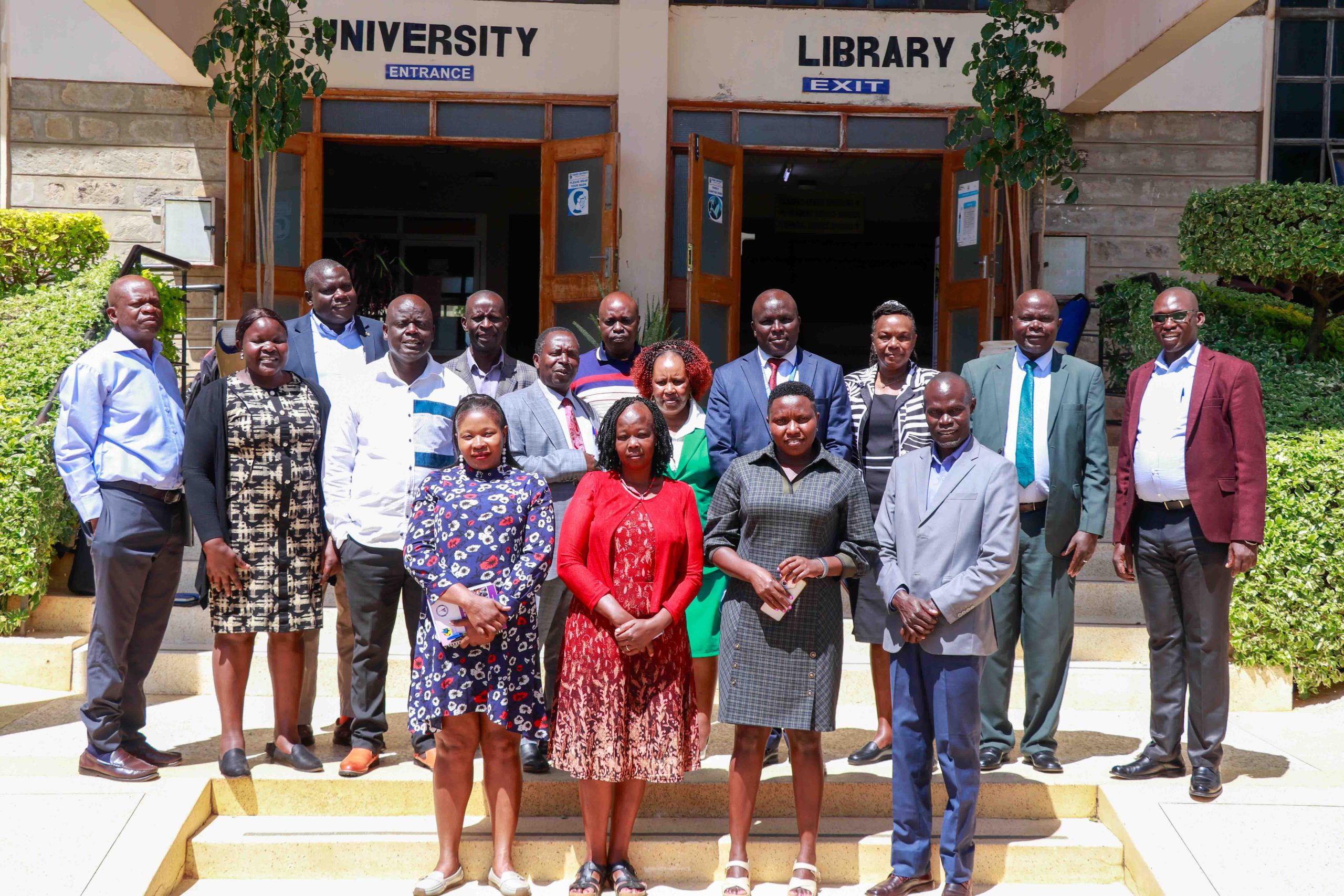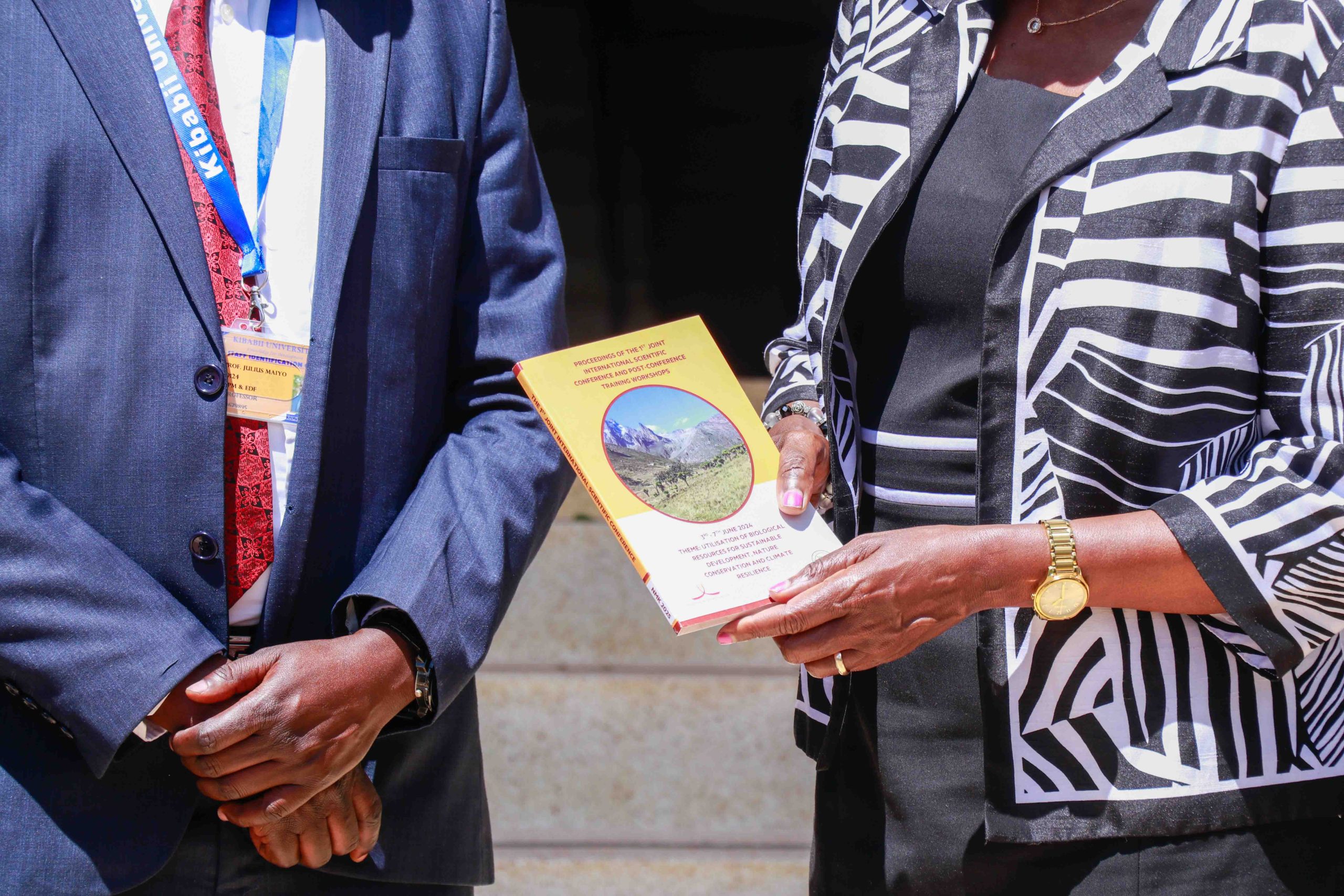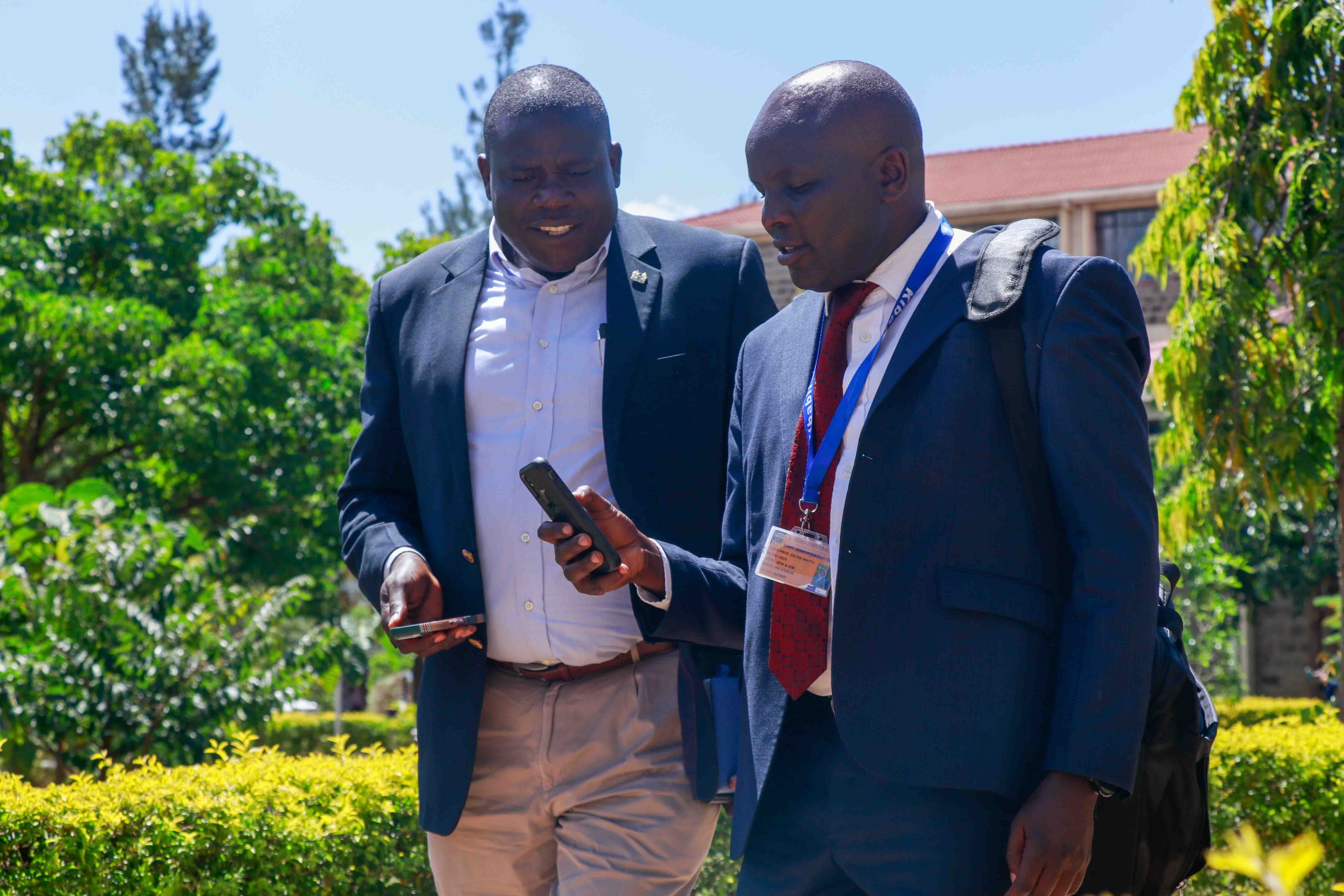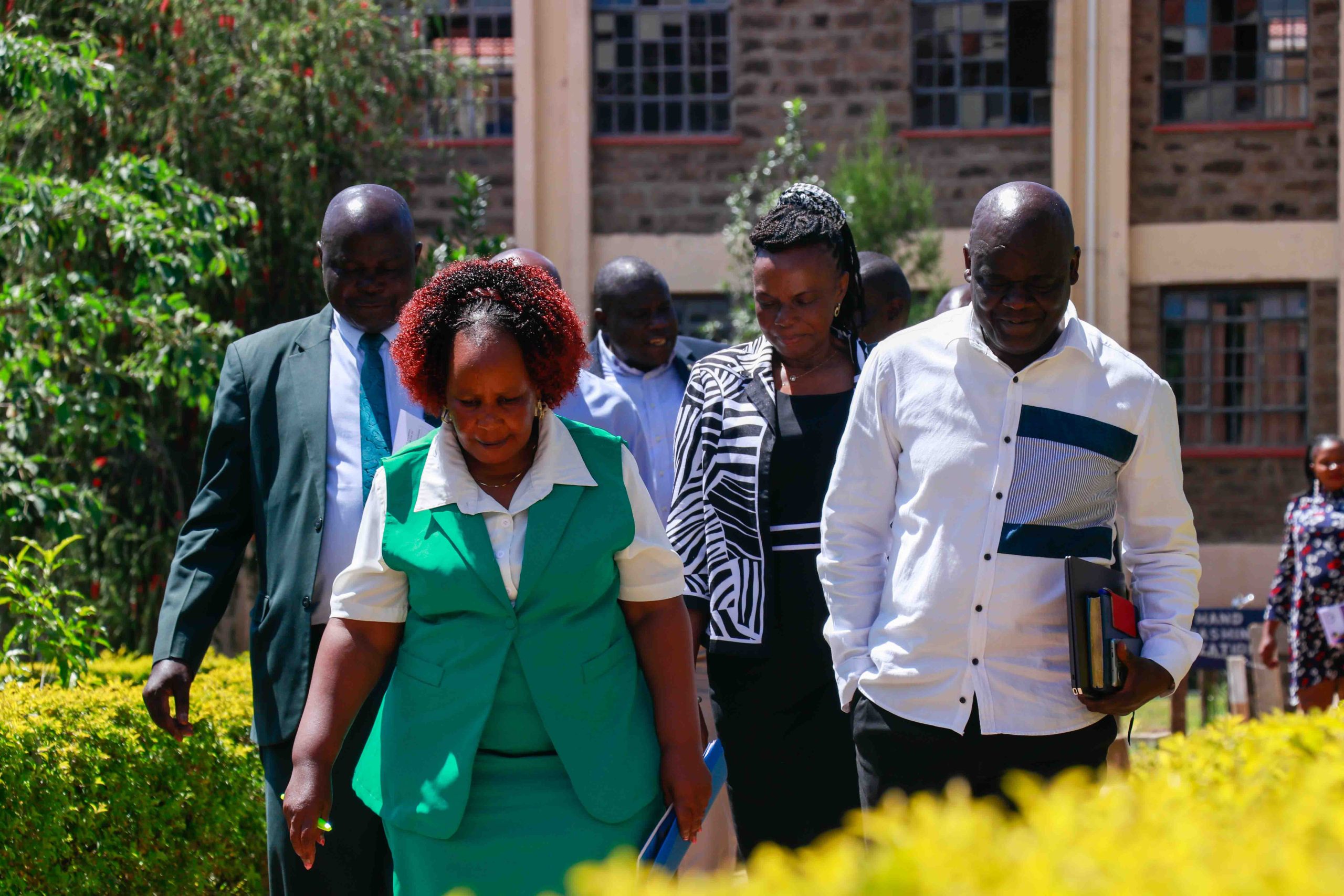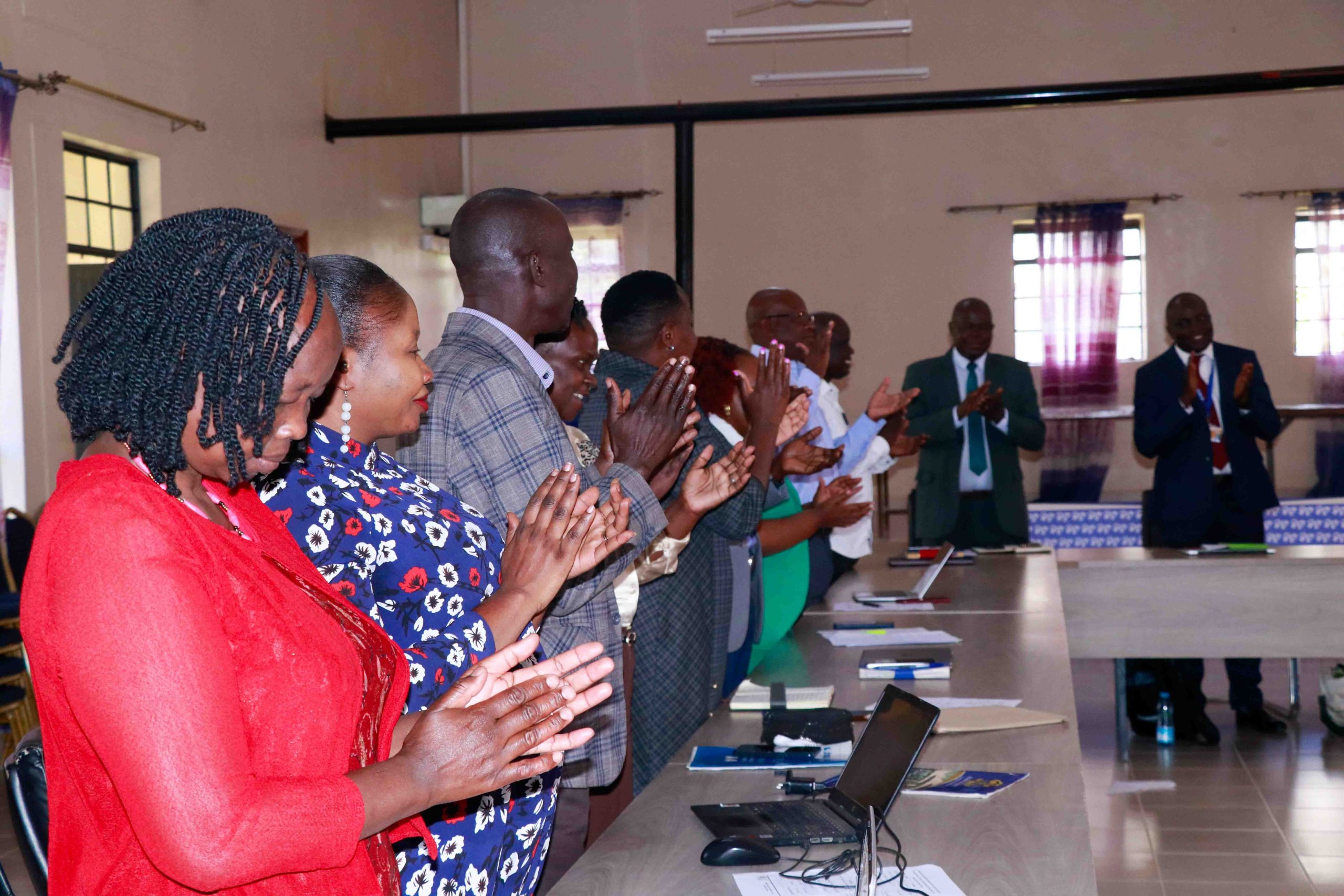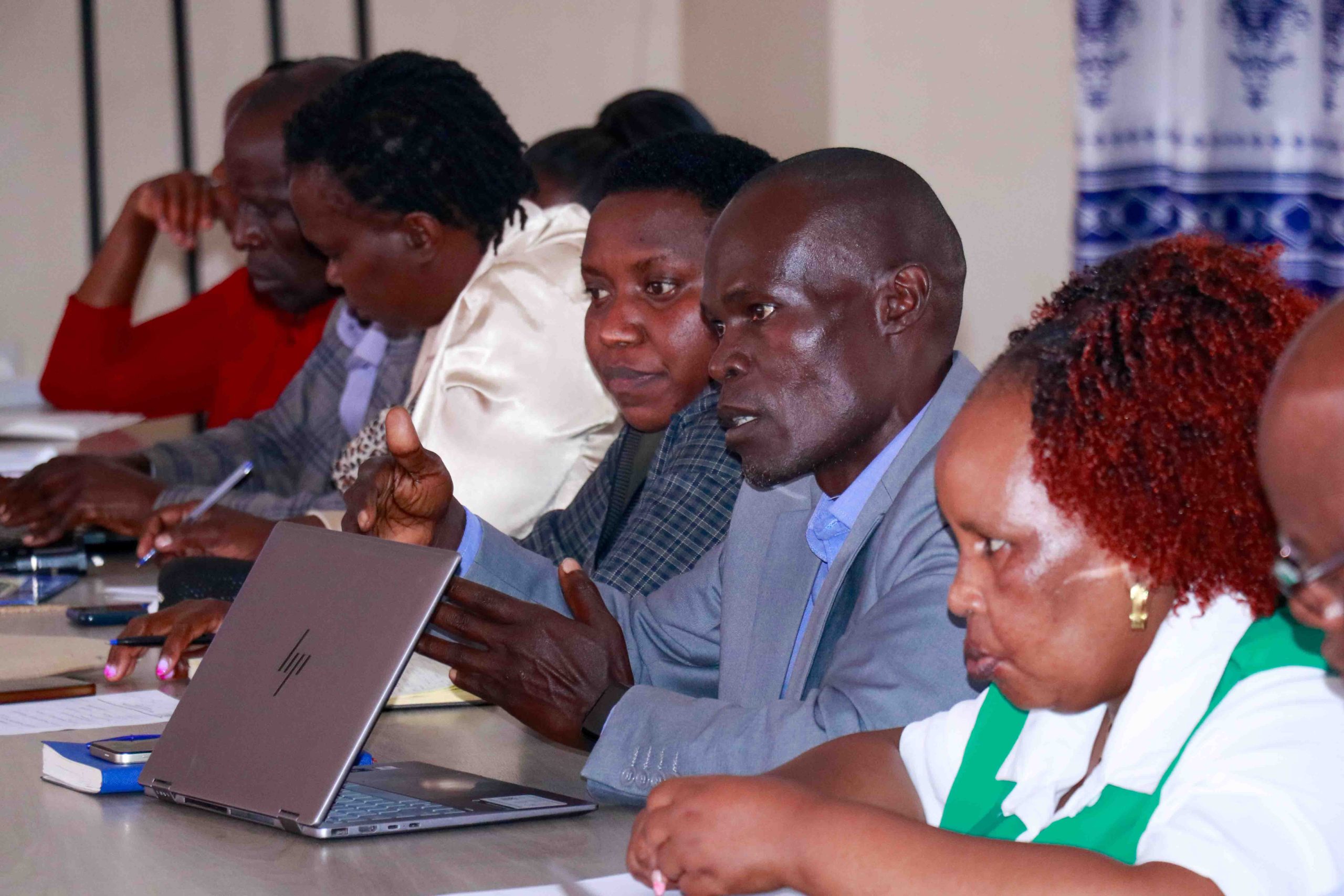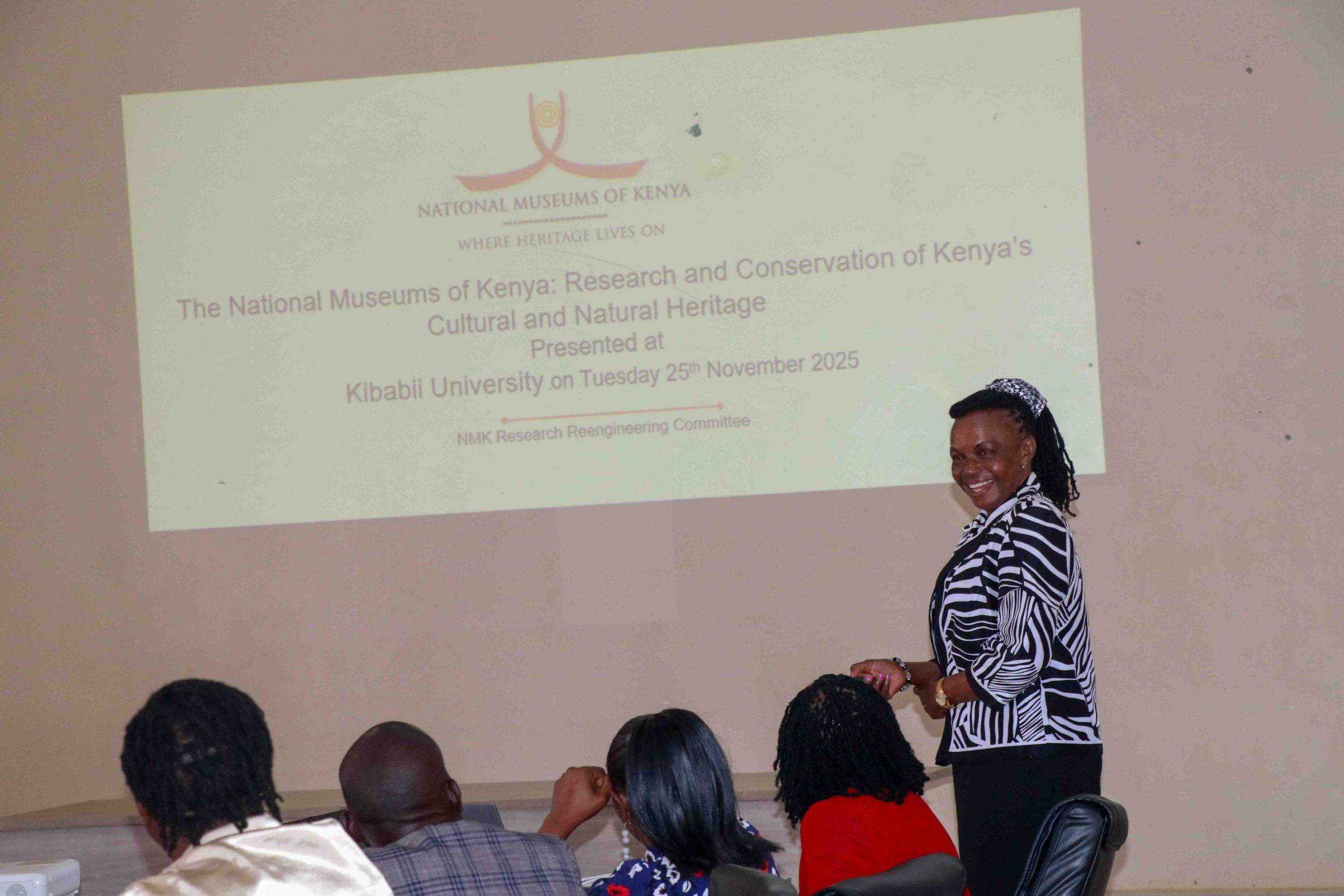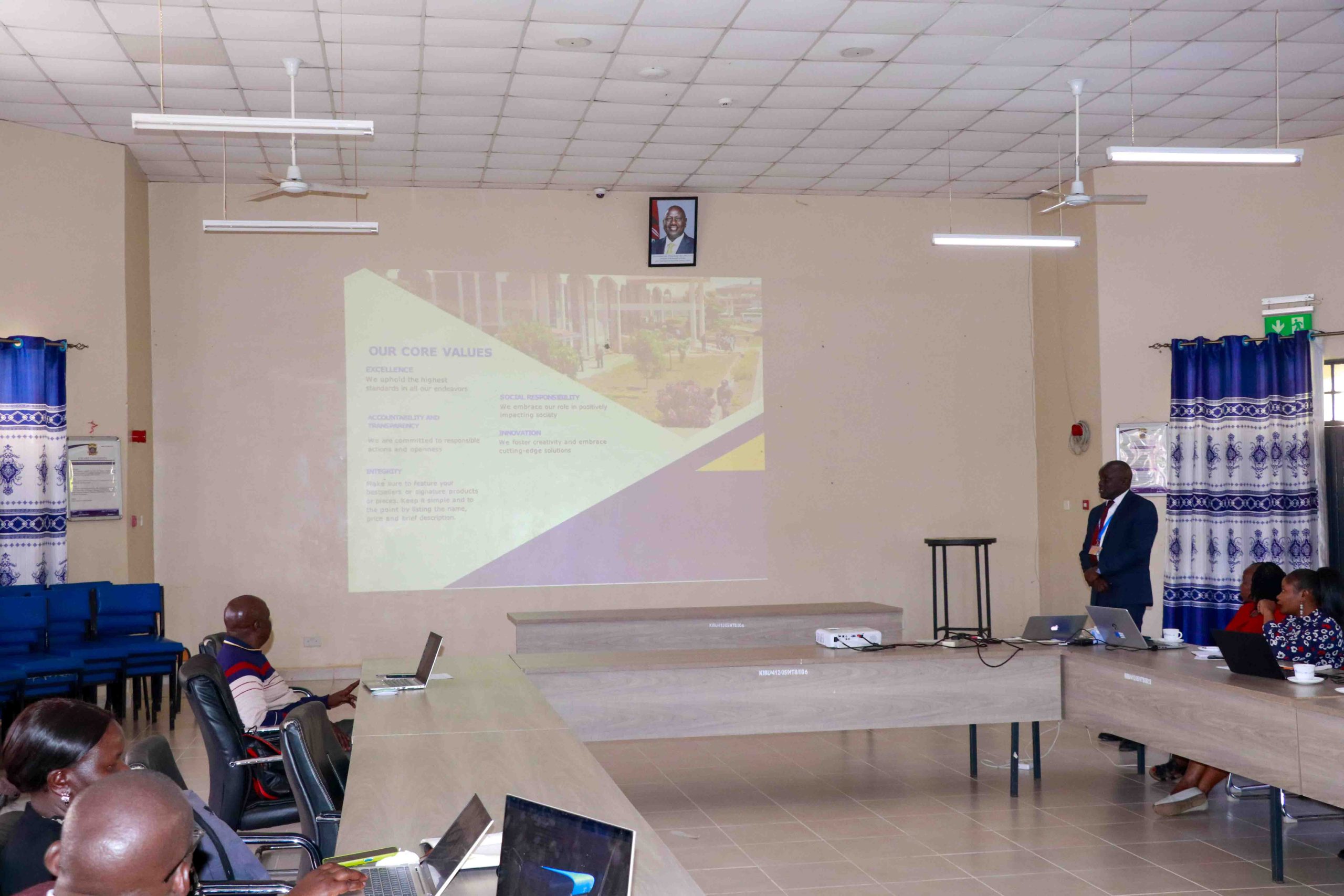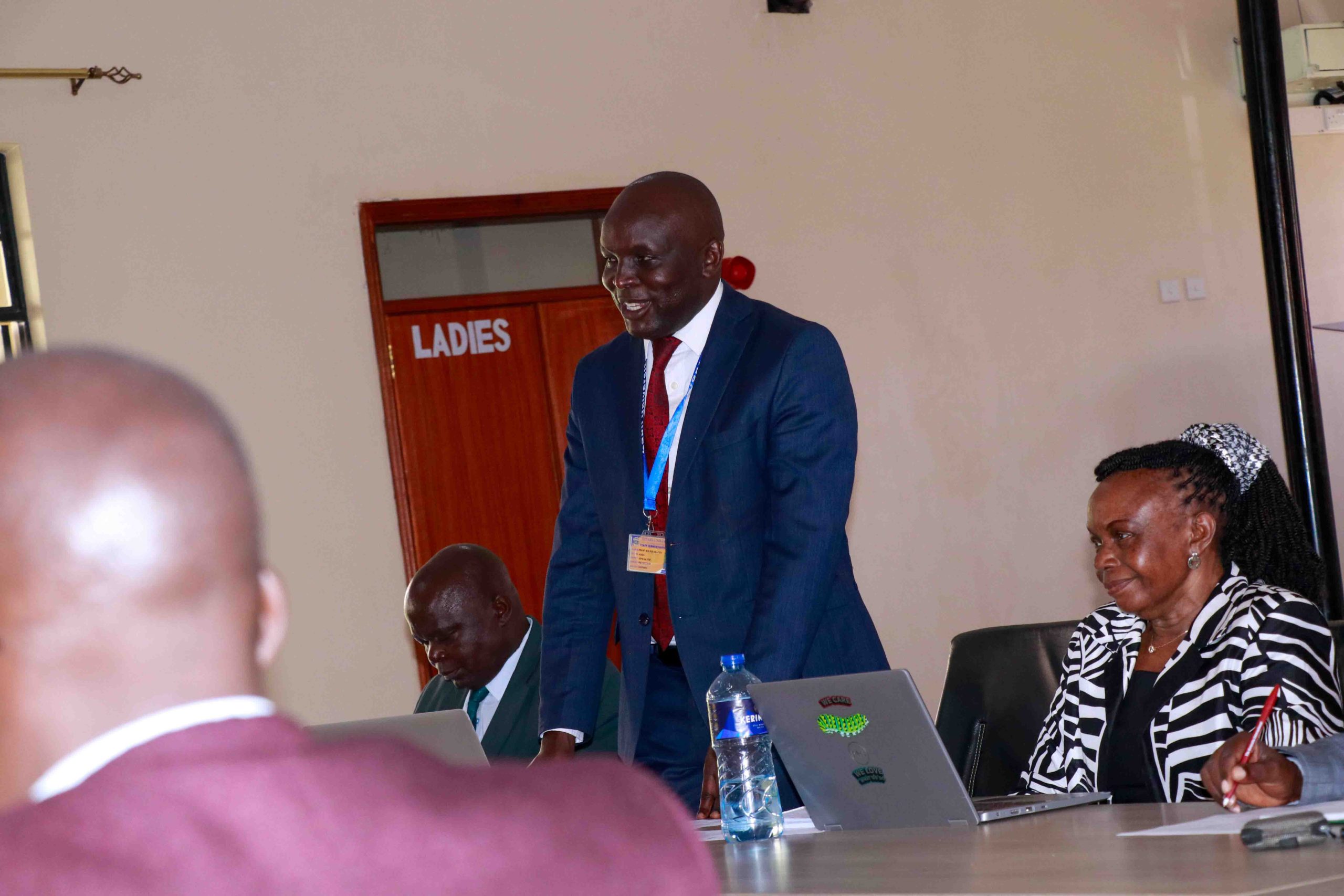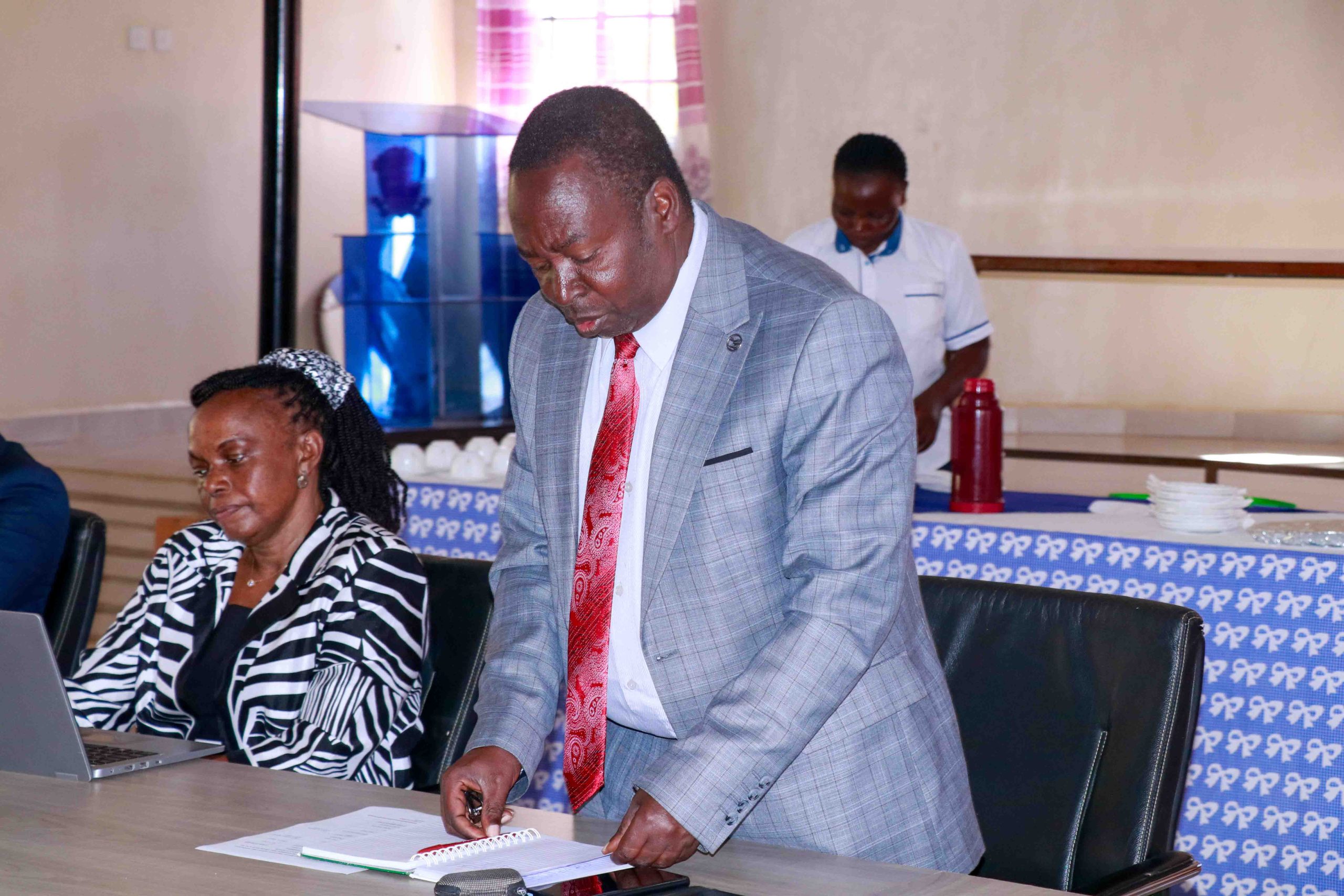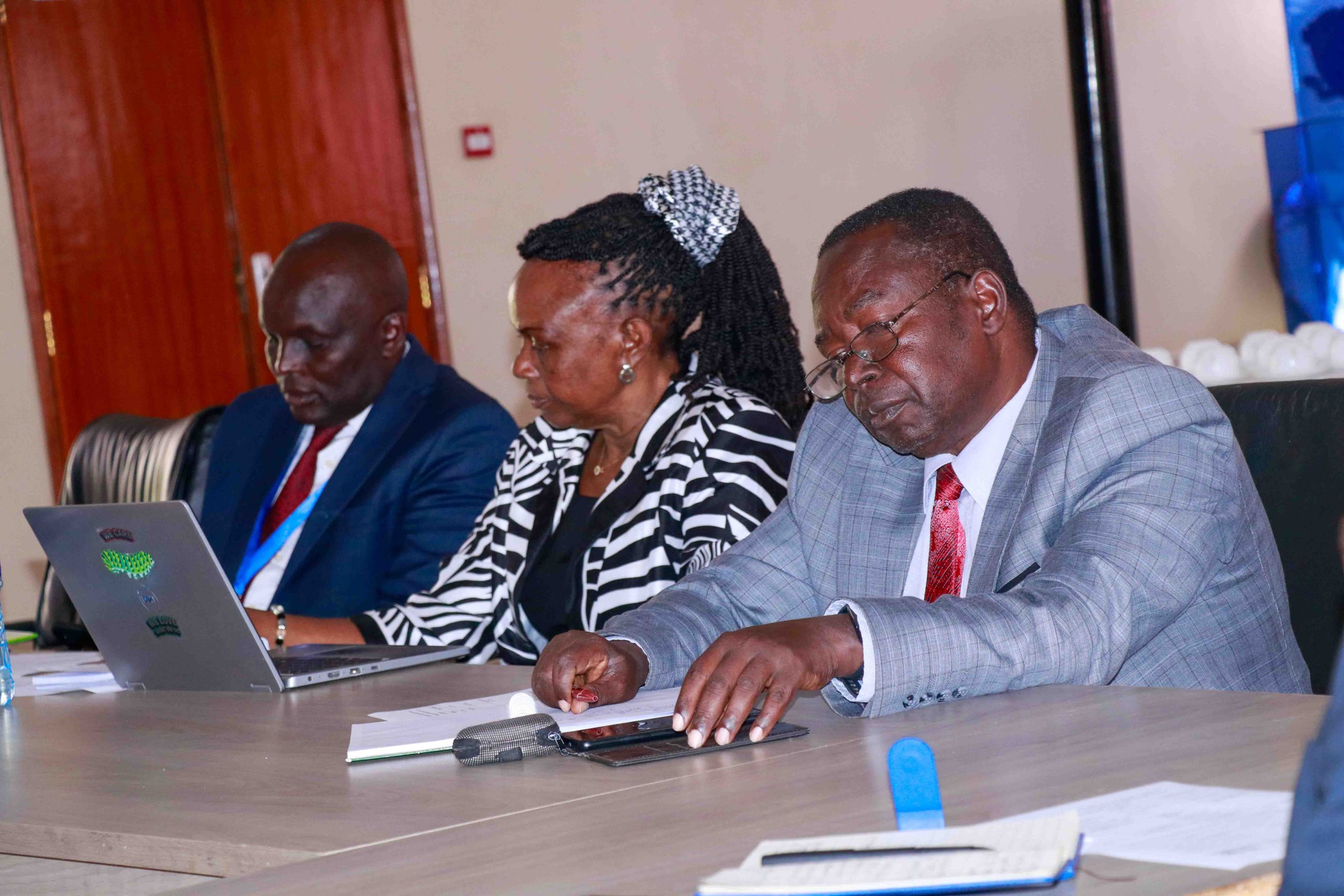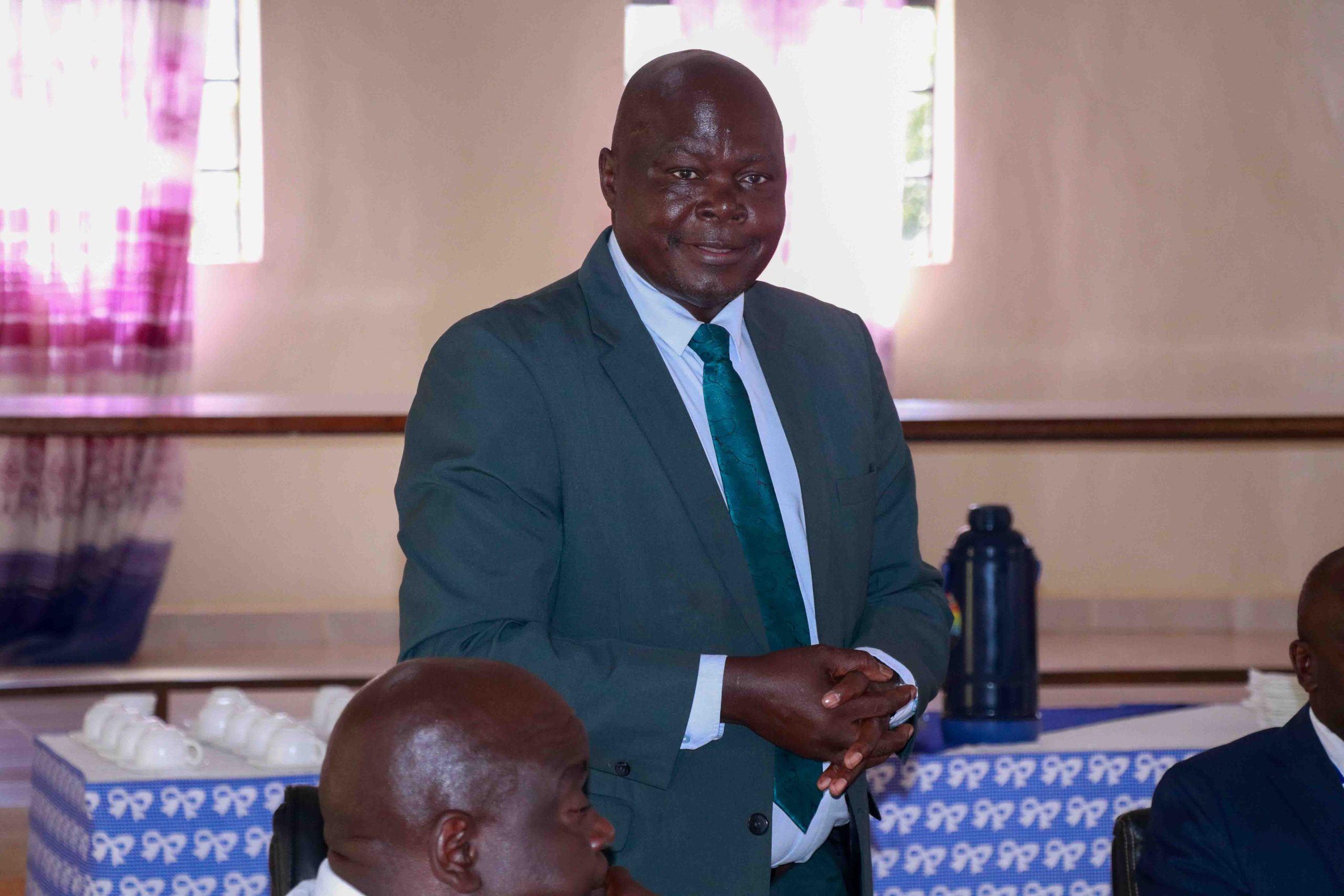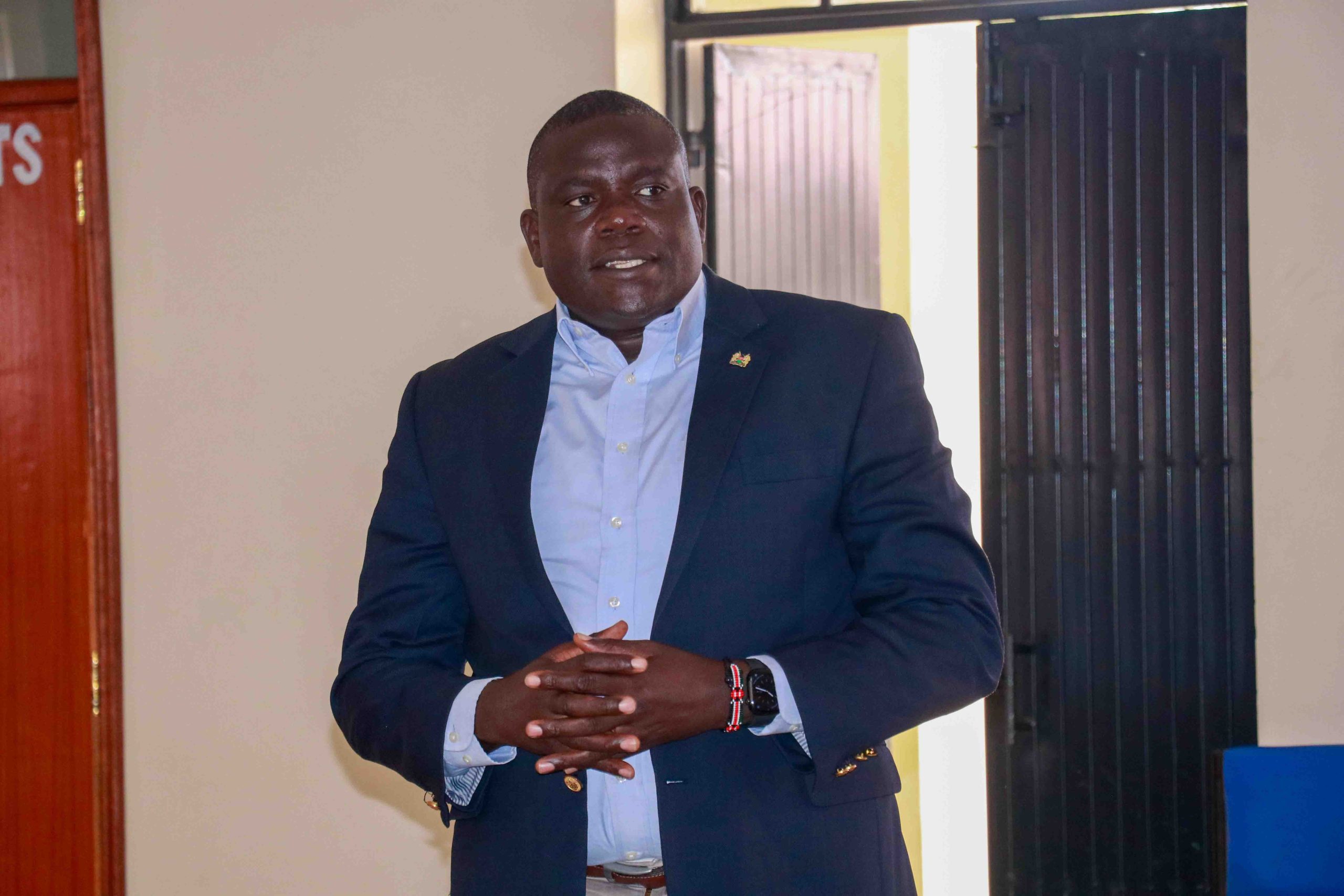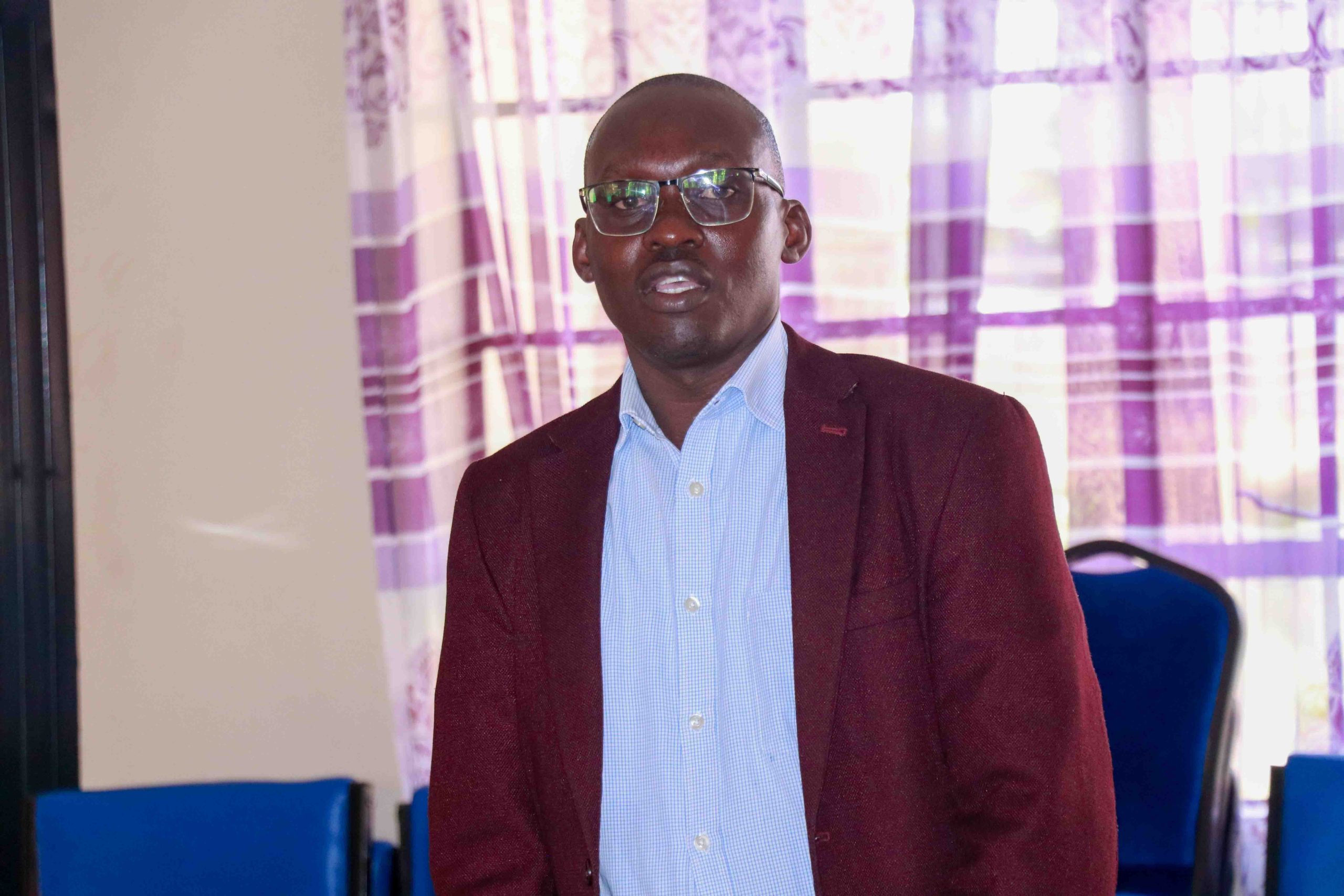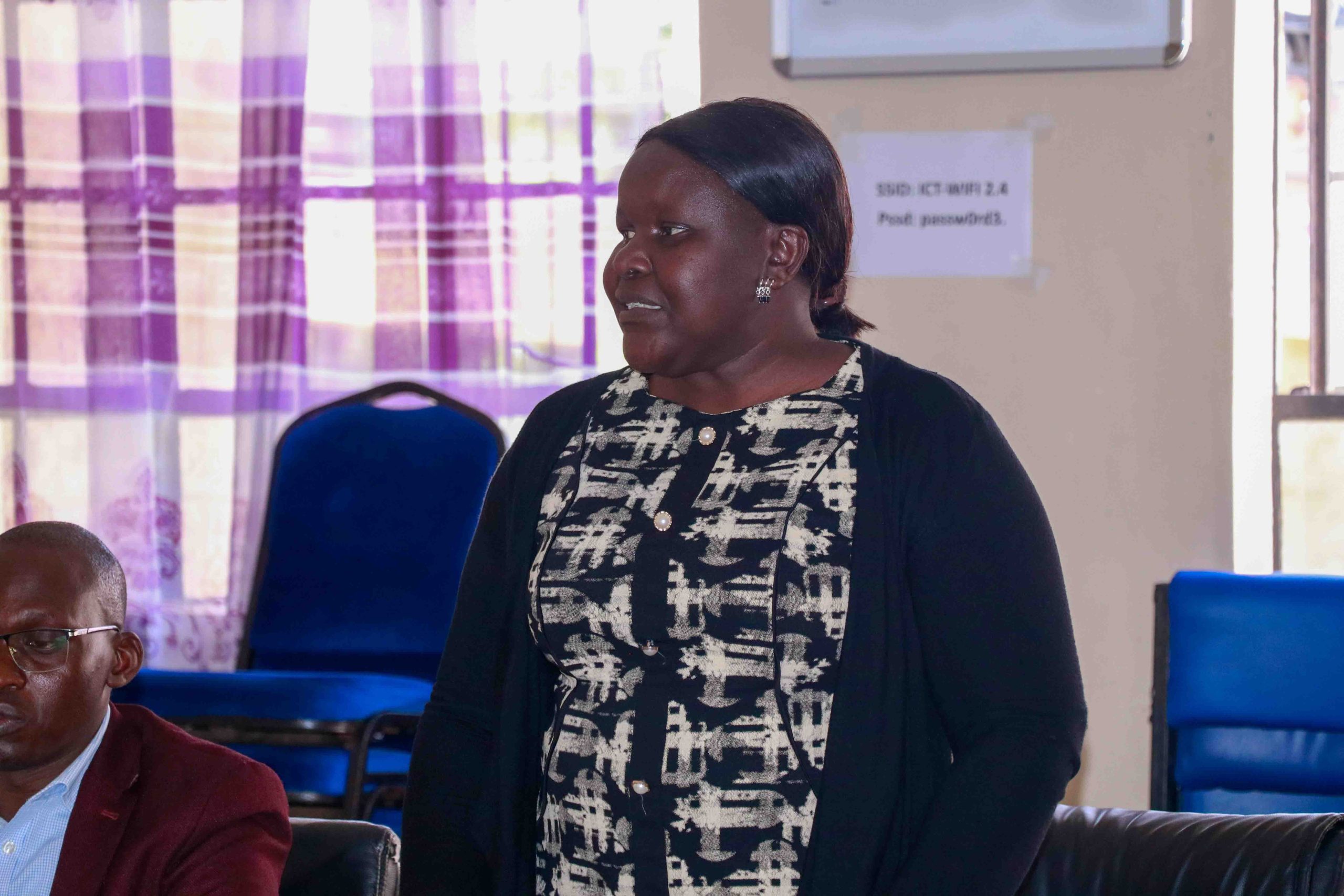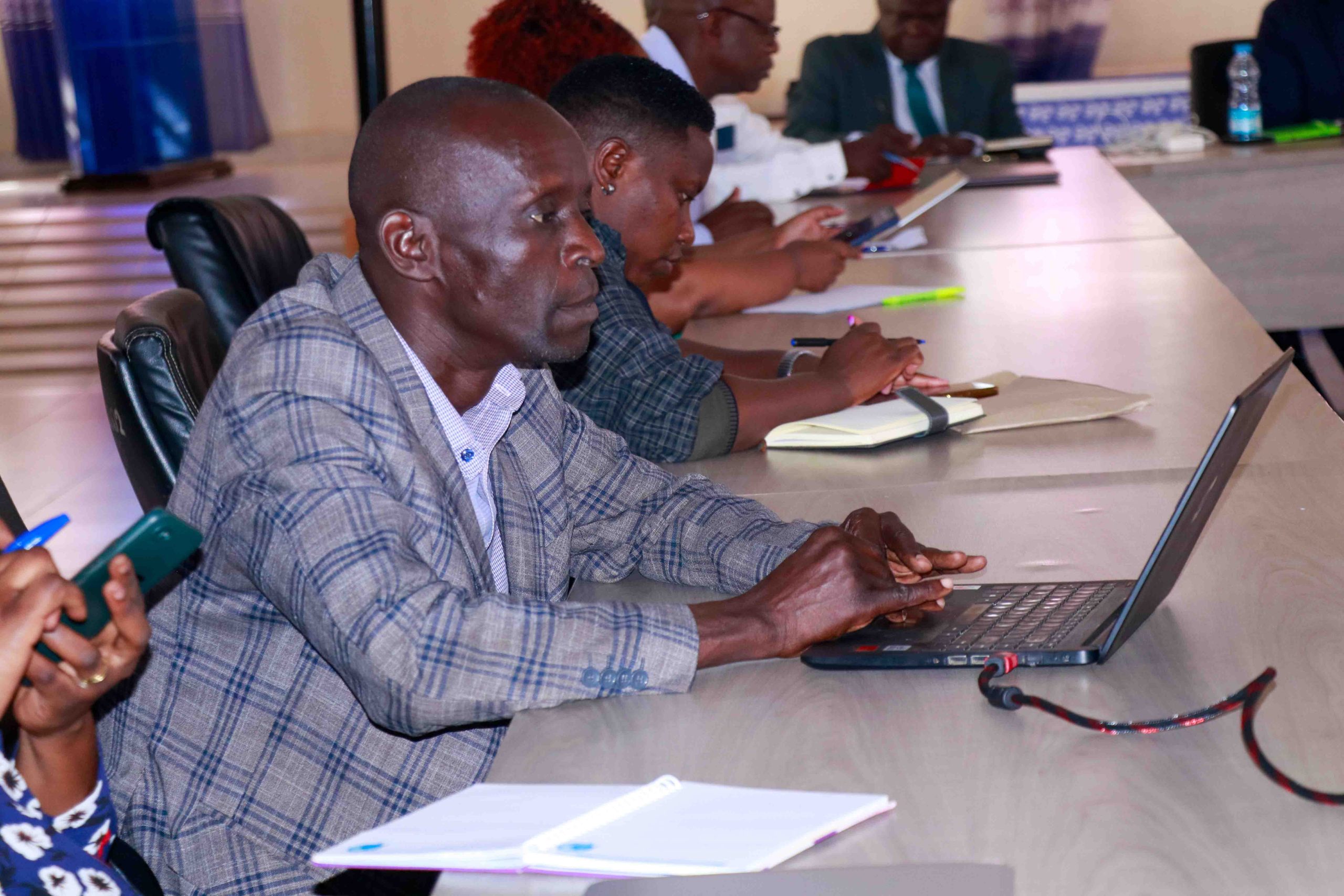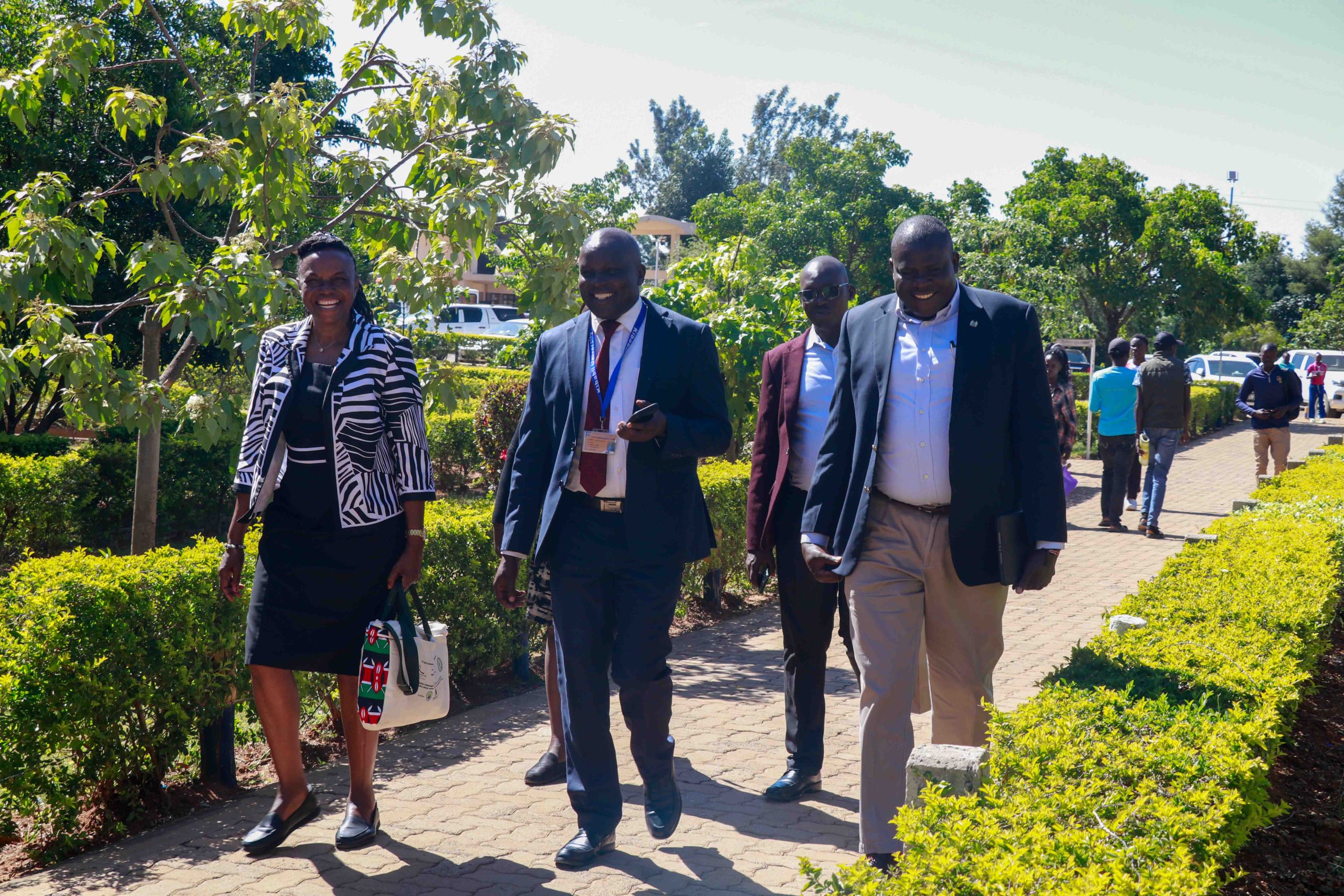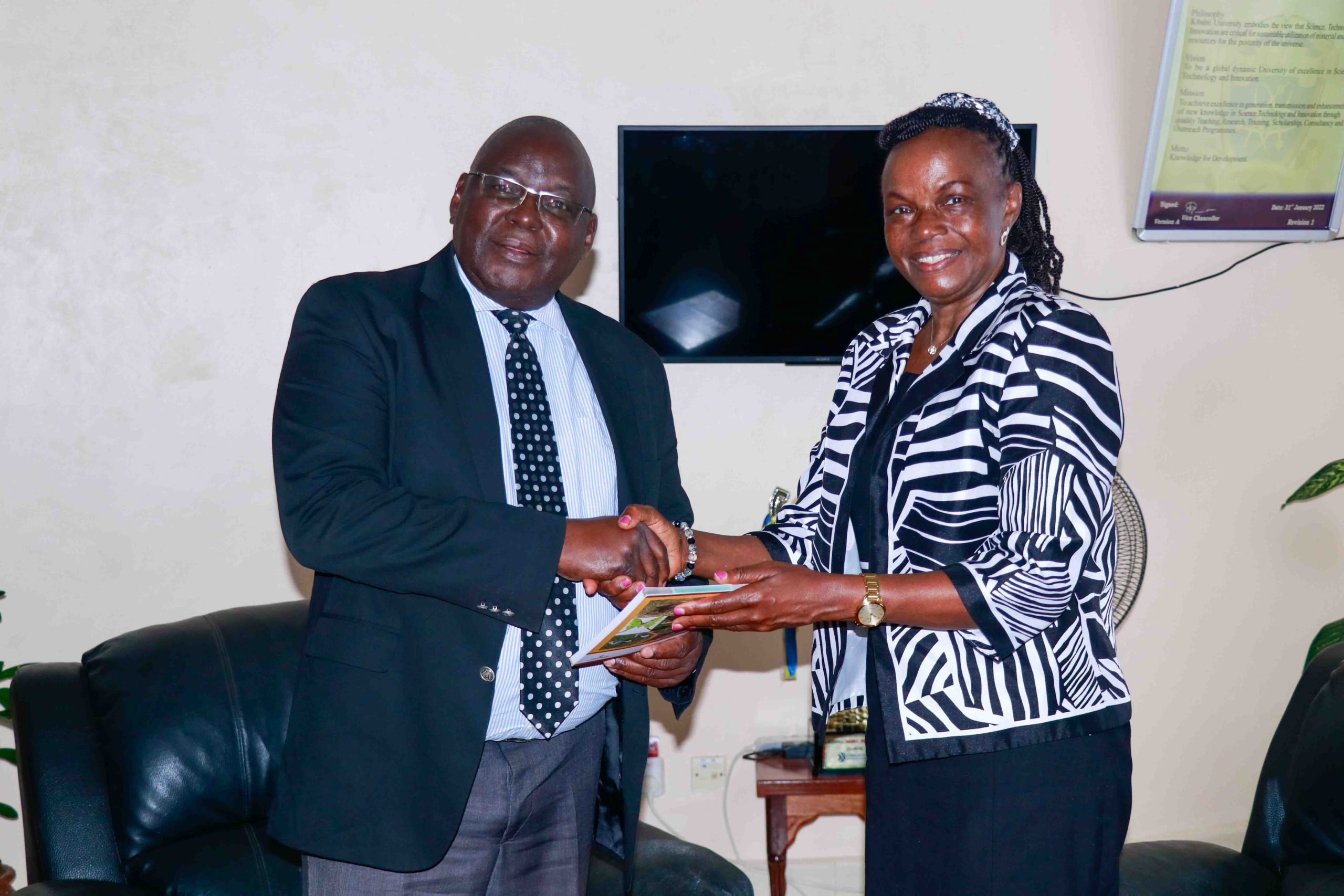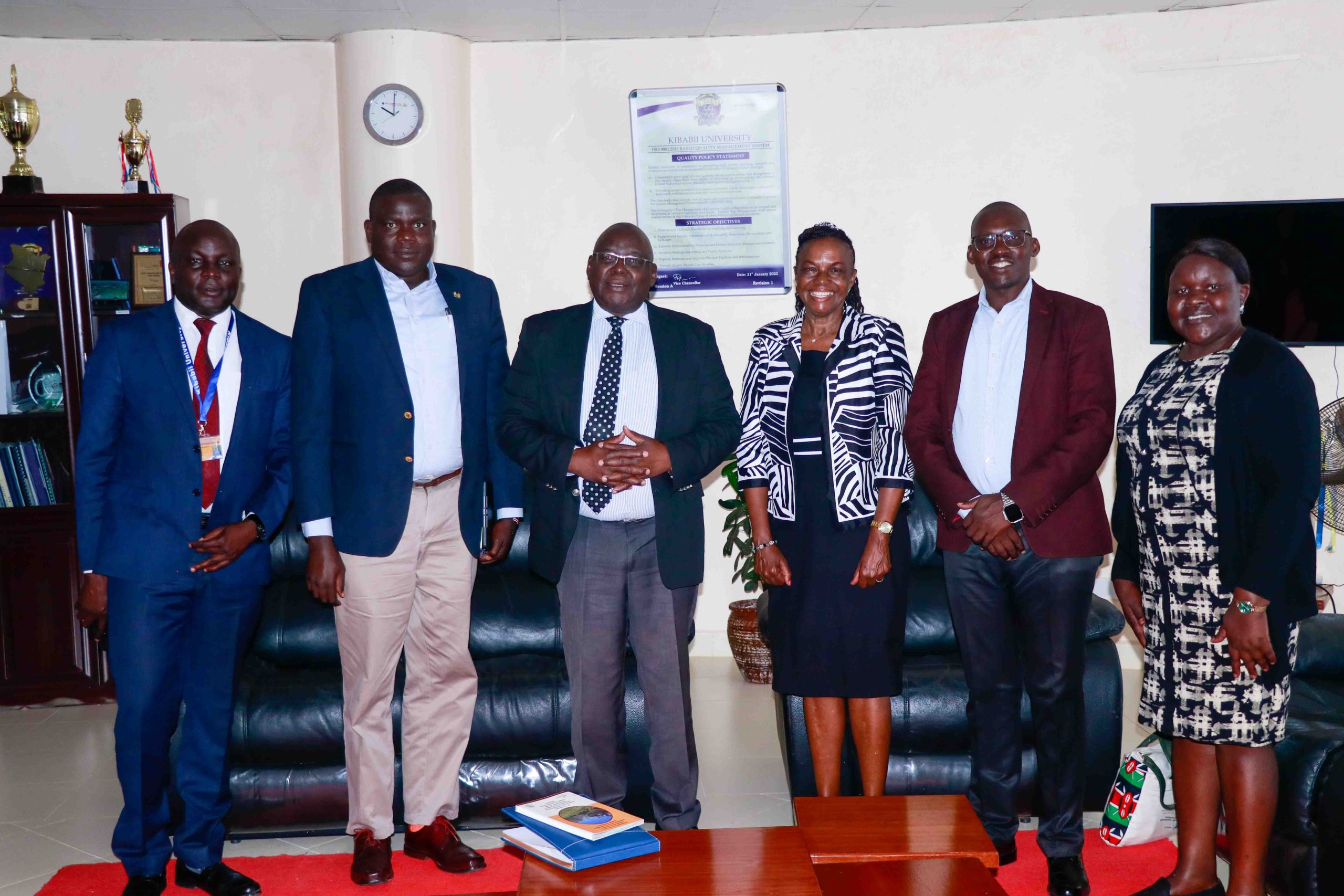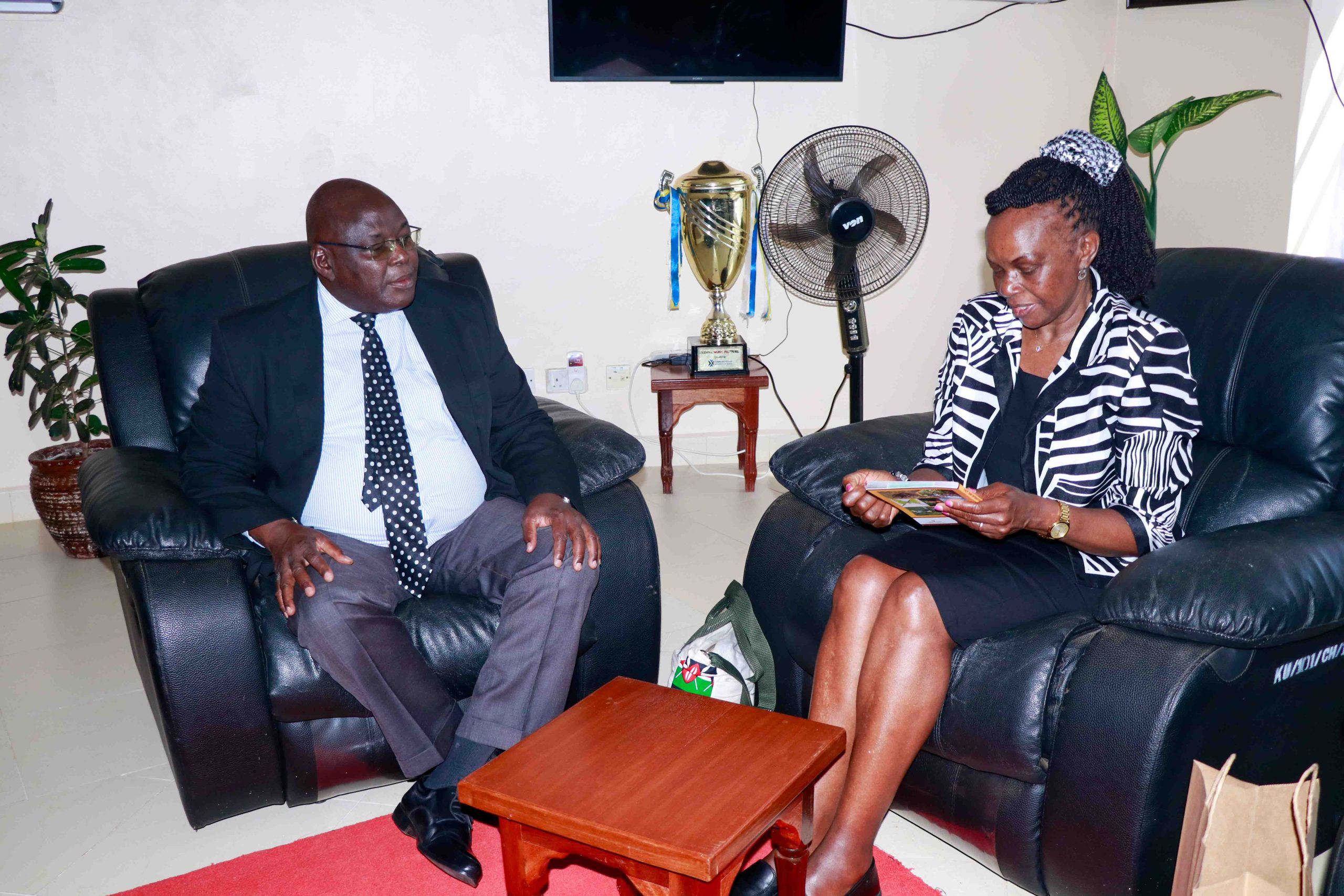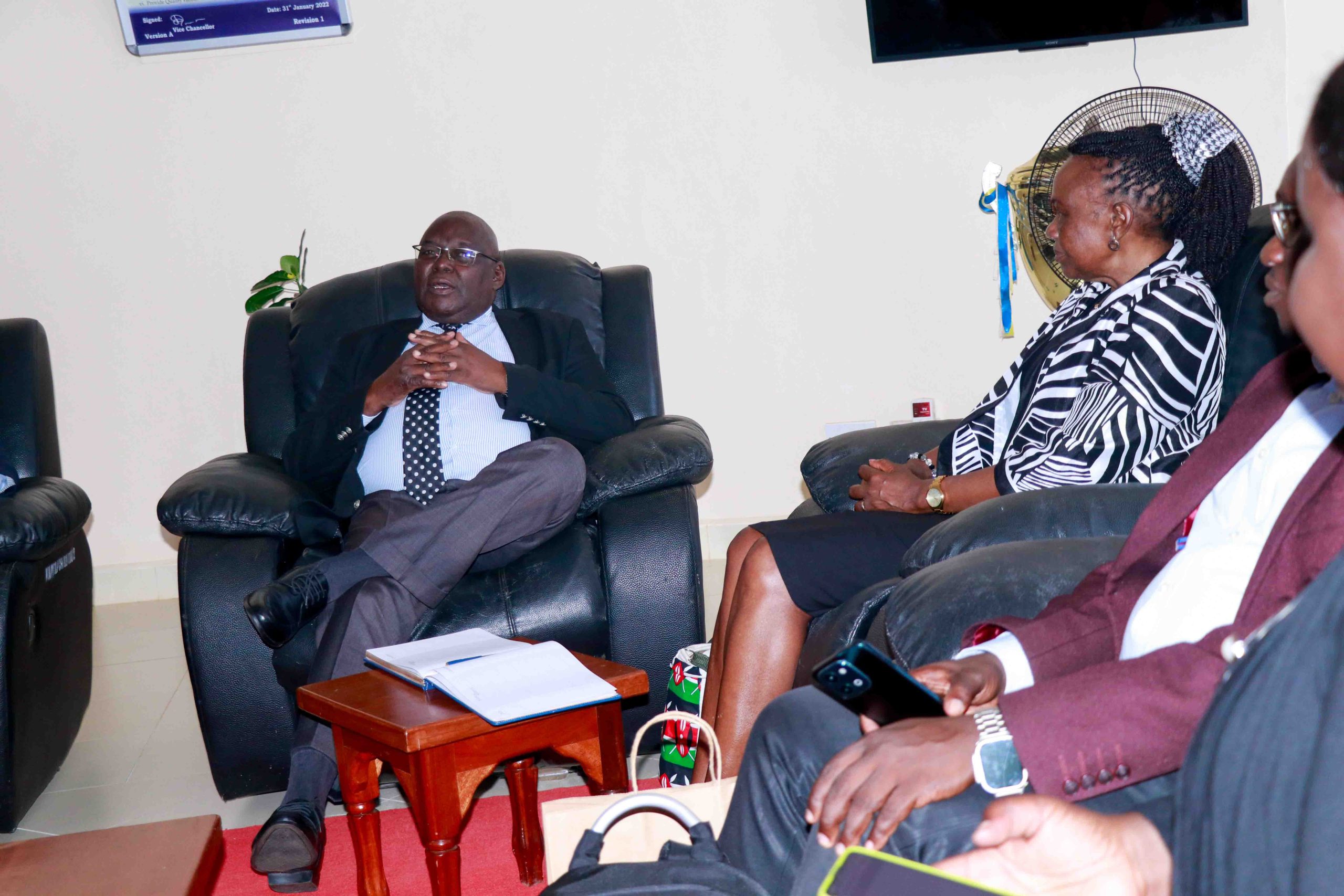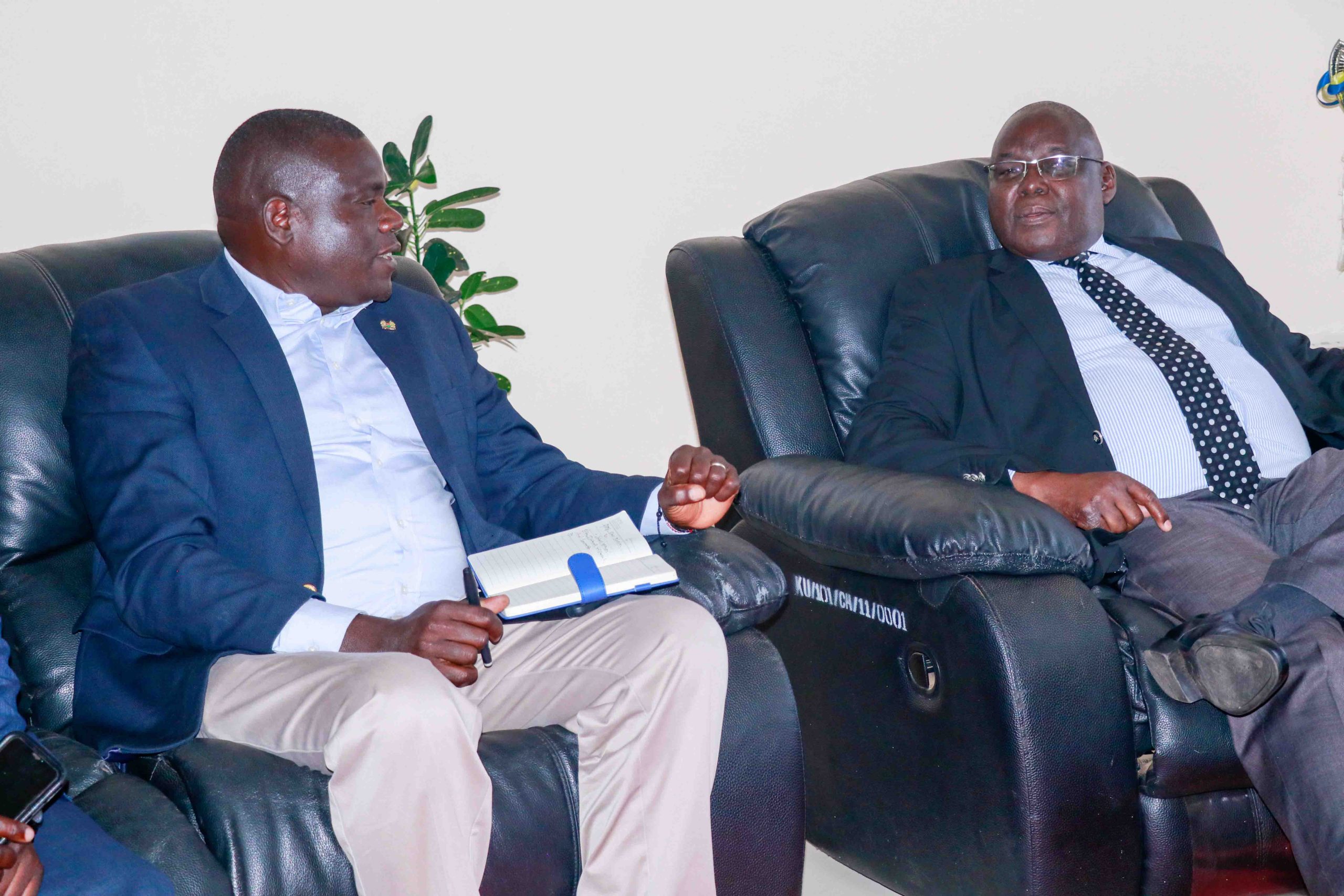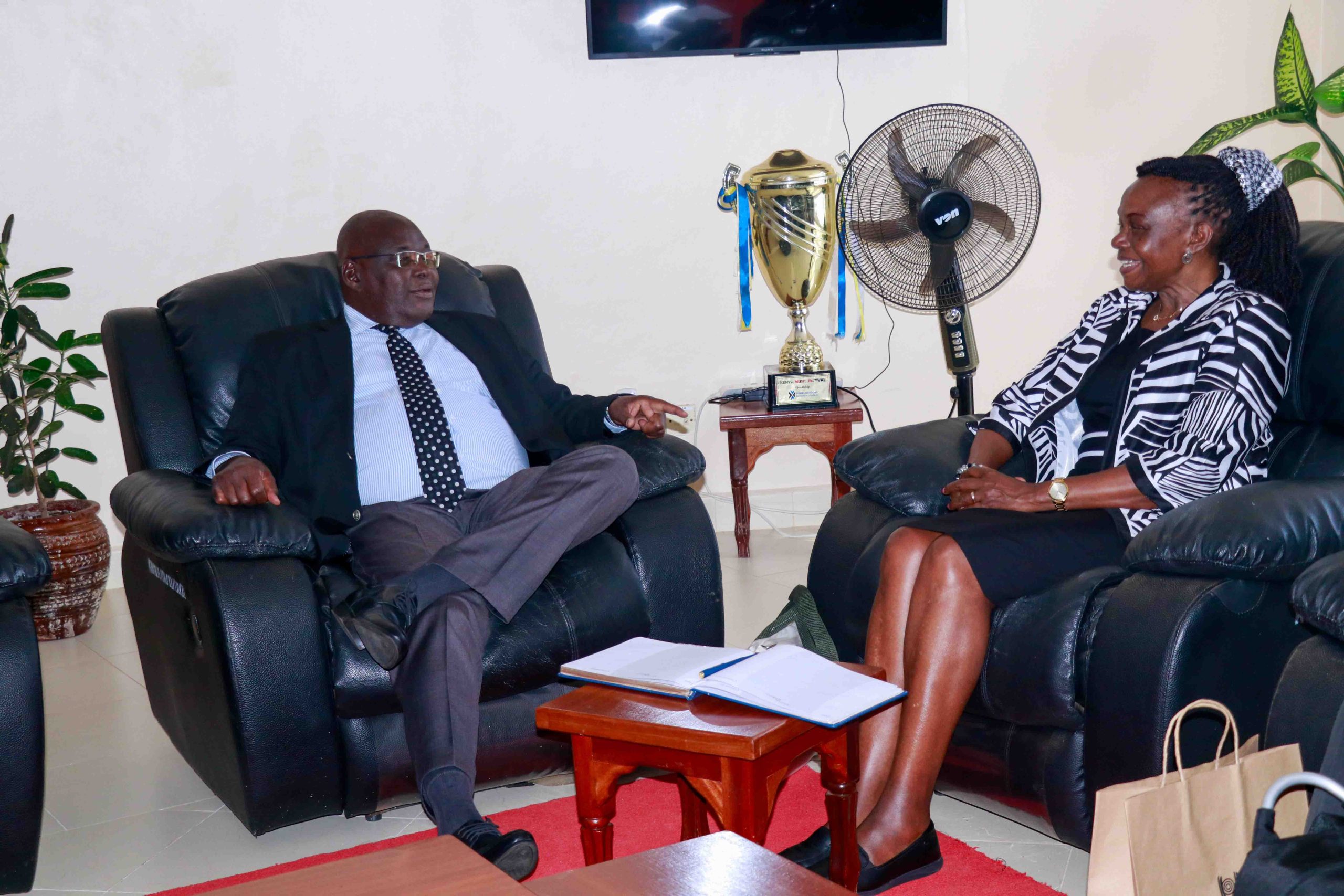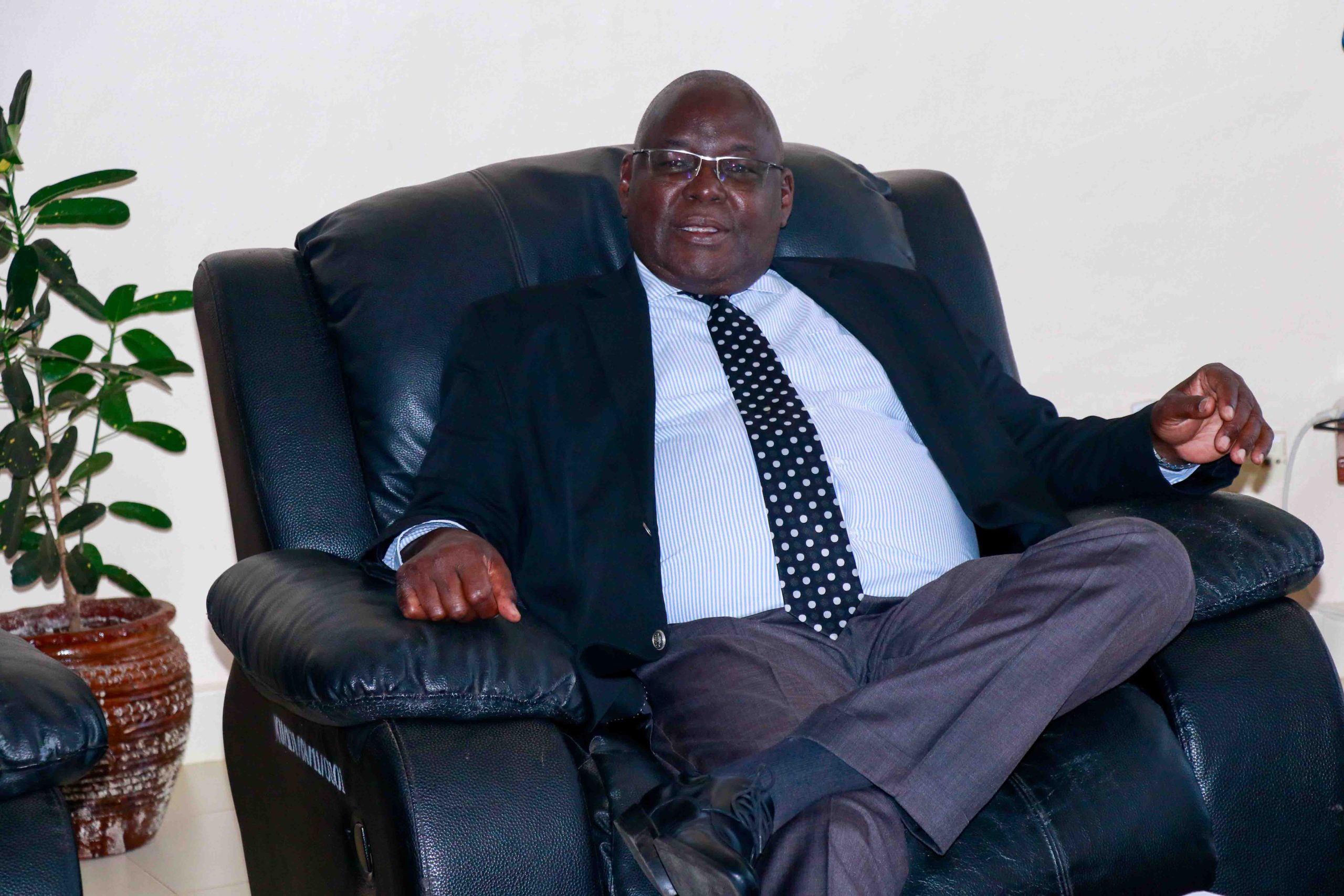
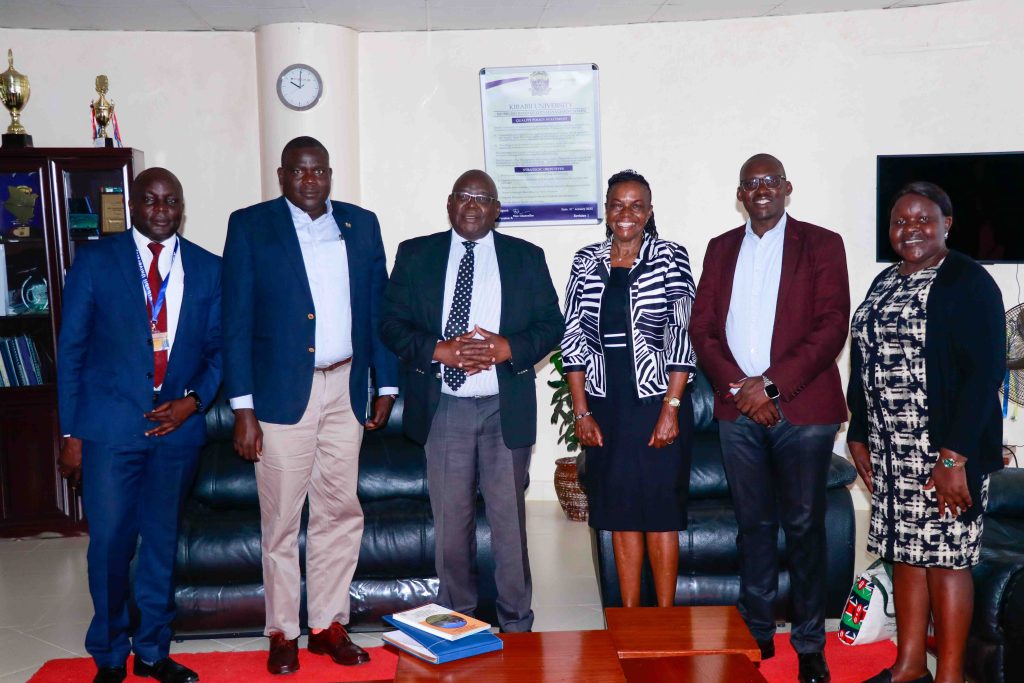
Kibabii University on Tuesday, 25th November 2025, hosted a delegation from the National Museums of Kenya (NMK) for a benchmarking and collaboration meeting aimed at strengthening research, capacity building, and heritage management initiatives. The four-member delegation was led by Prof. Esther Kioko, Principal Research Scientist and former Head of the Zoology Department at NMK, and was officially received by the Vice Chancellor, Prof. Isaac Ipara Odeo.
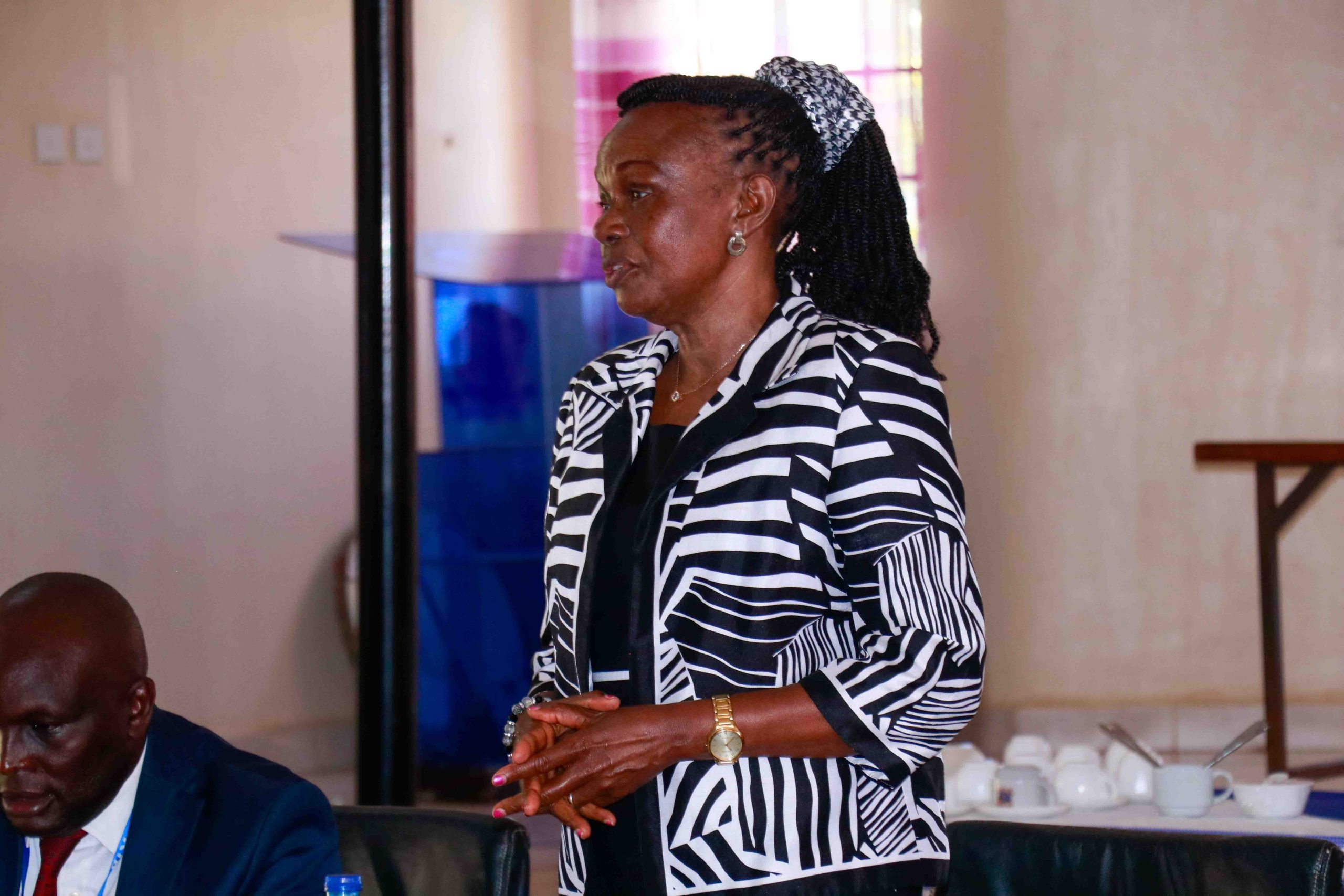
In her address, Prof. Kioko offered a historical overview of NMK, noting that the institution was founded in 1910 and has since grown to manage 20 regional museums and numerous national and international heritage sites and monuments. She emphasized NMK’s core objectives, which include enhancing knowledge and appreciation of heritage, sustainably managing national resources, contributing to national development, and maintaining global leadership in heritage conservation and research. Her presentation positioned NMK as a critical national institution with a longstanding commitment to scientific inquiry and heritage stewardship.
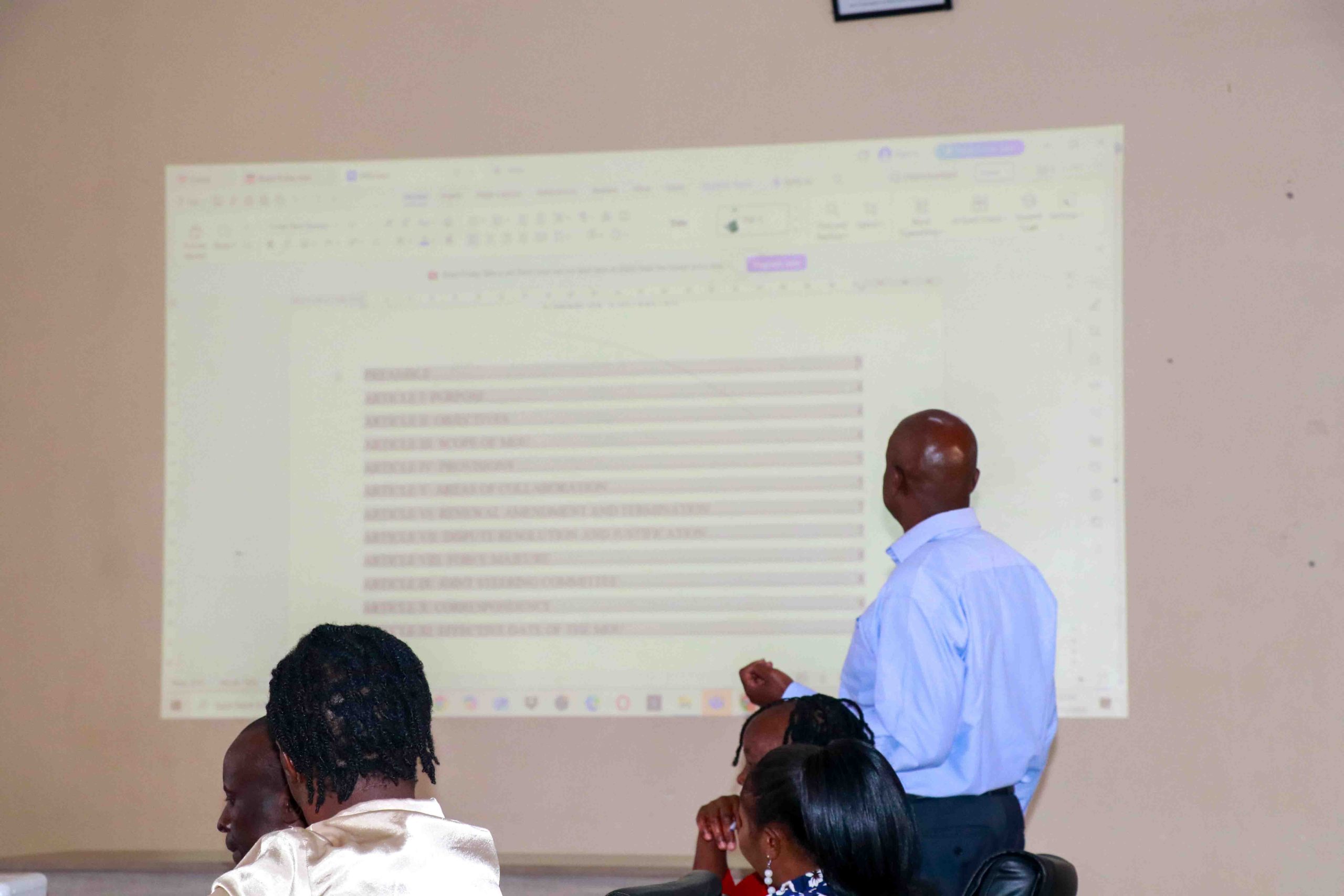
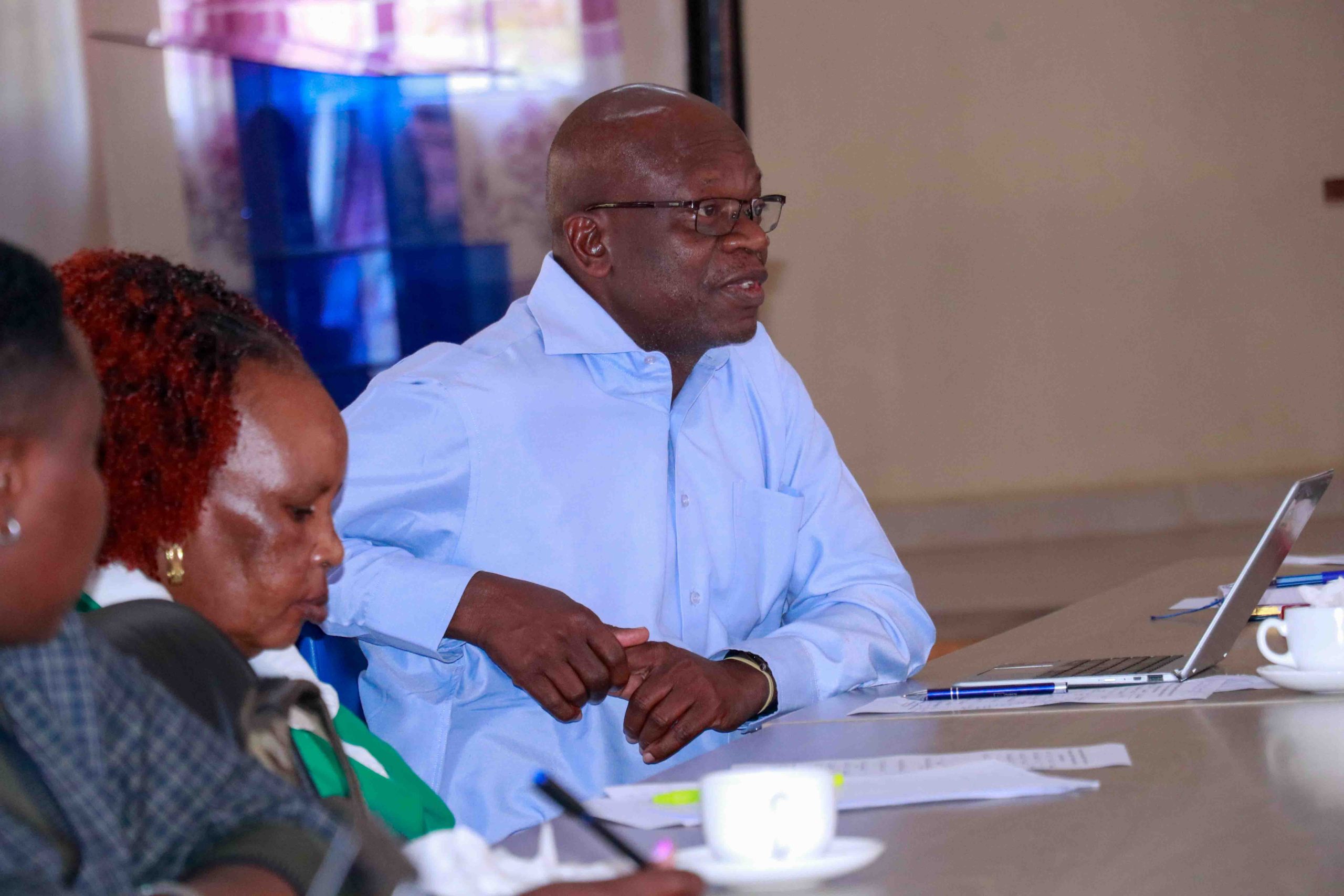
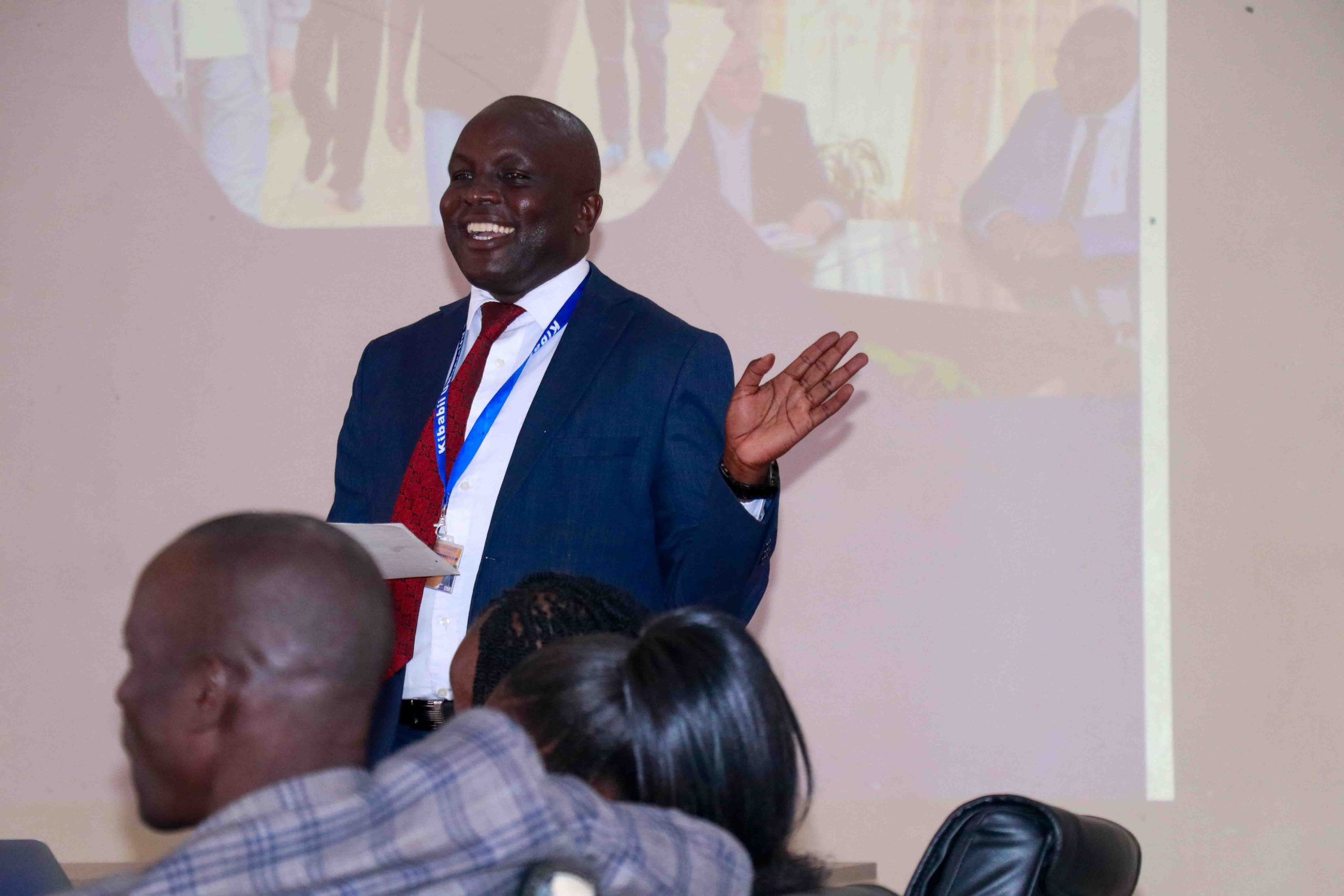
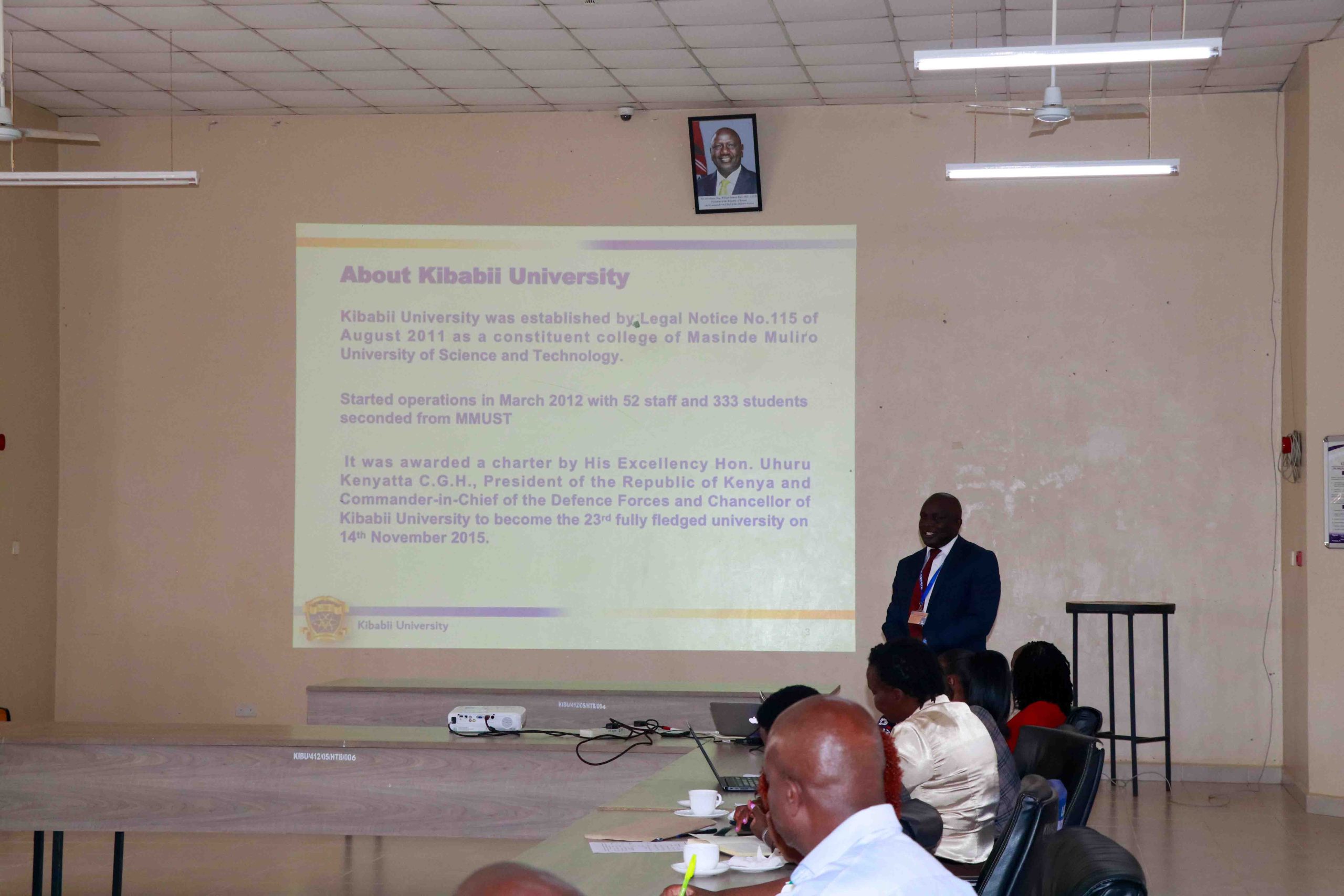
The discussions, spearheaded by the Deputy Vice Chancellor (Planning, Partnerships, Research and Innovation) Prof. Julius Maiyo centered on a proposed Memorandum of Understanding (MoU) presented by Kibabii University, which outlined areas in which the two institutions could collaborate to expand their research capacity and institutional reach. Both parties explored shared interests in staff capacity building, joint research initiatives, scholarly publications, community outreach, student training and mentorship programmes, resource mobilization, and shared access to research infrastructure and specialized facilities. NMK further proposed advanced collaboration in data integration for heritage and biodiversity research, as well as joint training programmes for students and early-career researchers to enhance scientific competency and practical exposure.
Prof. Kioko highlighted NMK’s active research portfolio, noting that between 2015 and 2025 the institution had implemented 185 ongoing projects and completed an additional 70. She reiterated NMK’s strong commitment to nurturing young researchers and strengthening national research ecosystems through partnerships with academic institutions. Both institutions expressed optimism about advancing the dialogue toward a formalized long-term collaboration, acknowledging the significant potential for impact in the areas of scientific research, conservation, cultural heritage management, and academic development.